

- BASEBALL AWARDS
- 2026 AWARDS
- 5 STAR BASEBALL RINGS
- BASEBALL ALL-STAR AWARDS
- BASEBALL BALL RINGS
- BASEBALL BATTER RING
- BASEBALL BELTS
- BASEBALL BRACELETS
- CUSTOMIZABLE BASEBALL AWARDS
- DELUXE BASEBALL RINGS
- DIAMOND SERIES BASEBALL RINGS
- DISTRICT BASEBALL RINGS
- HOME PLATE BASEBALL RINGS
- HOME RUN DERBY RINGS
- BASEBALL TURNOVER CHAINS
- JUMBO BASEBALL RINGS
- BASEBALL LEAGUE RINGS
- BASEBALL MEDALS
- BASEBALL MVP AWARDS
- BASEBALL NECKLACES
- BASEBALL PARTICIPATION AWARDS
- BASEBALL PLACEMENT AWARDS
- PONY BASEBALL AWARDS
- SEASONAL
- BASEBALL SLUGGER RING
- BASEBALL SPINNER RINGS
- BASEBALL STATE RINGS
- SQUARE BASEBALL RINGS
- BASEBALL TEAM AWARDS
- T-BALL
- TEXAS RINGS
- BASEBALL WORLD SERIES RINGS
- BASKETBALL AWARDS
- CHEER AWARDS
- FOOTBALL AWARDS
- 5 STAR FOOTBALL RINGS
- FOOTBALL RINGS
- 2026 AWARDS
- CUSTOMIZABLE FOOTBALL AWARDS
- FANTASY FOOTBALL AWARDS
- FOOTBALL ALL-STAR AWARDS
- FLAG FOOTBALL AWARDS
- FOOTBALL BELTS
- FOOTBALL MEDALS
- FOOTBALL MVP AWARDS
- FOOTBALL NECKLACES
- FOOTBALL PARTICIPATION AWARDS
- FOOTBALL PLACEMENT AWARDS
- SEASONAL
- FOOTBALL TURNOVER CHAINS
- SOCCER AWARDS
- SOFTBALL AWARDS
- 2026 AWARDS
- 5 STAR SOFTBALL RINGS
- SOFTBALL ALL STAR RINGS
- CUSTOMIZABLE SOFTBALL AWARDS
- SOFTBALL RINGS
- SOFTBALL BATTER RINGS
- SOFTBALL BELTS
- SOFTBALL BRACELETS
- BIG BANG SOFTBALL RINGS
- DELUXE SOFTBALL RINGS
- DIAMOND SERIES SOFTBALL RINGS
- DISTRICT SOFTBALL RINGS
- HOME PLATE SOFTBALL AWARDS
- SOFTBALL HOME RUN DERBY
- JUMBO SOFTBALL RINGS
- SOFTBALL LEAGUE RINGS
- MEDALS
- MVP
- NECKLACES
- SOFTBALL PARTICIPATION AWARDS
- SOFTBALL PLACEMENT AWARDS
- PONY SOFTBALL RINGS
- SEASONAL
- SLUGGER RING
- SOFTBALL SPINNER RINGS
- SQUARE SOFTBALL RINGS
- SOFTBALL TEAM AWARDS
- T-BALL
- TEXAS RINGS
- SOFTBALL TURNOVER CHAINS
- FASA SOFTBALL AWARDS
- SOFTBALL WORLD SERIES RINGS
- USA SOFTBALL AWARDS
- USFA
- VOLLEYBALL AWARDS
- OTHER SPORTS
Top Insights into 2nd Place Medal Success

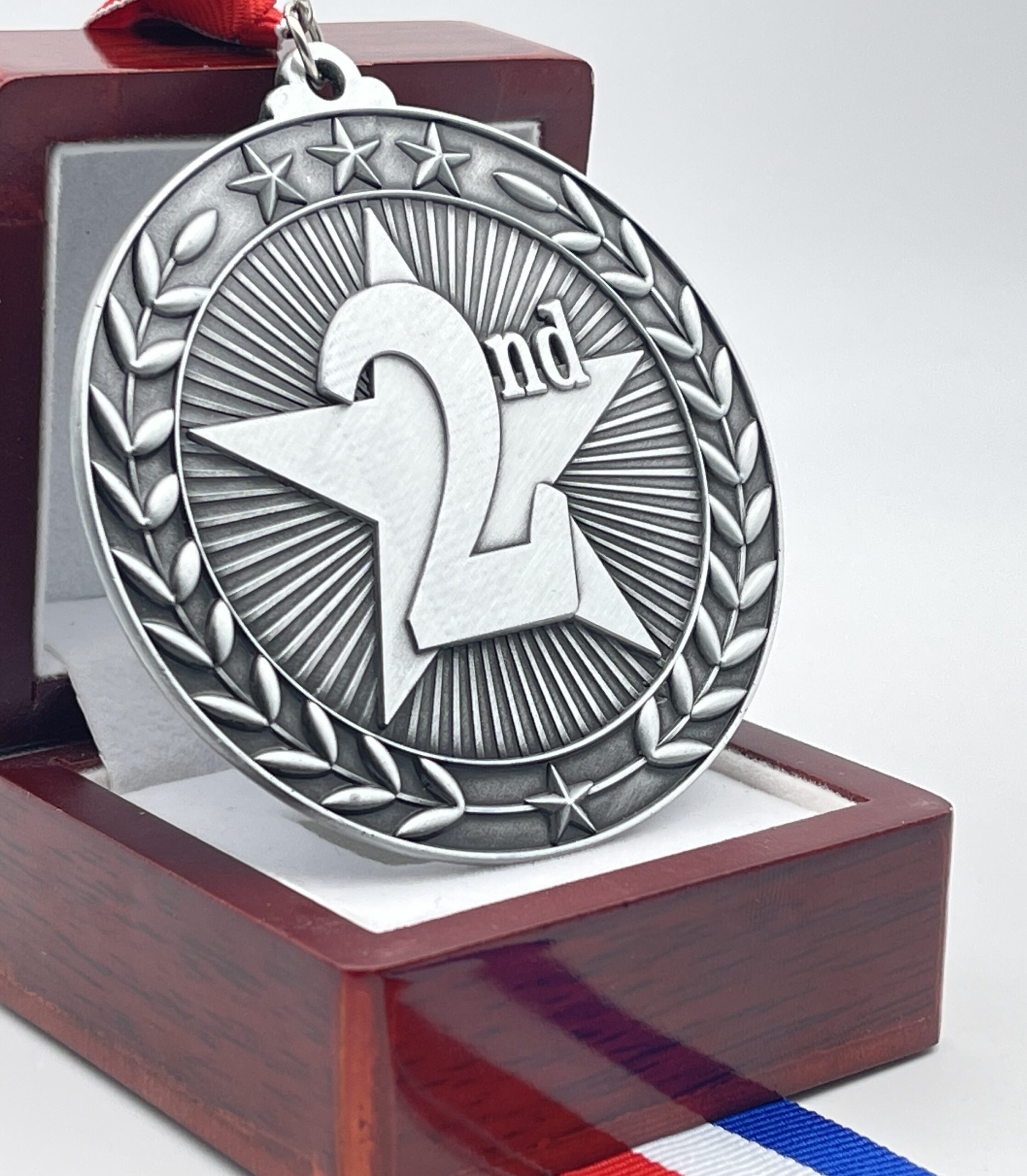
In the world of sports and competition, victory is often defined by who takes first place. The glory of the gold medal, the championship trophy, or the number-one ranking tends to capture the spotlight. Yet, for many athletes and teams, a 2nd place medal represents something equally powerful: the culmination of hard work, the demonstration of skill, and the motivation to strive for greater achievements. Success in second place is not merely about coming close to the top; it’s about resilience, excellence, and the relentless pursuit of growth.
The True Meaning of Second Place
Earning second place often comes with mixed emotions. There’s pride in reaching the finals and performing well, but also a lingering sense of “what if.” For many athletes, this combination fuels a powerful form of motivation. While first place symbolizes ultimate triumph, second place often represents hunger, the drive to push harder, refine one’s skills, and prepare for future victories.
Psychologically, athletes who earn a 2nd place medal experience something known as “upward counterfactual thinking.” This means they focus on how close they came to winning, which can increase motivation and lead to future improvements. In contrast, bronze medalists tend to focus on the fact that they placed at all, which brings satisfaction but may reduce competitive drive. This difference in mindset is what makes second-place achievers so dynamic; they stand on the edge of greatness and can clearly see what it takes to reach the next level.
The Journey Behind Every 2nd Place Medal
Every medal tells a story, but a second-place medal carries a unique narrative of perseverance. To finish as a runner-up, athletes must overcome numerous challenges, such as advancing through rounds, defeating strong opponents, and maintaining composure under pressure. The journey often includes setbacks and comebacks, which mold the athlete’s character.
In team sports, finishing second requires unity and collective effort. It demonstrates effective communication, trust among teammates, and strategic execution. In individual sports, it showcases discipline and dedication to personal performance. While a gold medal might symbolize perfection, silver reflects progress, a tangible reminder that success is measured not only by the outcome but also by the commitment to continuous improvement.
Redefining Success Beyond the Gold
Success in sports is not just about winning first place. It’s about achieving personal bests, overcoming challenges, and displaying sportsmanship. Second place provides an opportunity to redefine success in a more meaningful way.
Athletes and coaches often use a 2nd place finish as a benchmark. It helps identify what worked well and what needs refinement. This perspective is crucial for long-term growth. After all, some of the world’s greatest champions started as silver medalists before claiming gold in future competitions. The drive to improve and the lessons learned from a near victory are often more impactful than the victory itself.
Second Place as a Stepping Stone to Greatness
History is filled with examples of athletes and teams who came in second before achieving ultimate glory. Michael Jordan’s early career with the Chicago Bulls was marked by playoff losses before capturing six NBA championships. Tennis legends like Roger Federer and Serena Williams have both experienced finals losses that motivated them to come back stronger. Even national teams that fell short in championship games often use those experiences as fuel for redemption.
This pattern underscores one important truth: second place is not the end of the story; it’s the beginning of the next chapter. The hunger created by falling just short of the top often inspires athletes to train smarter, work harder, and return with renewed focus.
The Emotional Power of Silver
There is a unique emotional depth to the experience of earning a 2nd place medal. For many athletes, silver represents both pride and potential. It reflects excellence but also unfinished business. This duality is powerful because it keeps competitors humble and hungry.
Sports psychologists often emphasize the importance of emotional regulation after competition. A silver medalist’s ability to balance disappointment with gratitude is what sets apart those who continue to excel. Embracing the achievement while using it as motivation ensures that the athlete grows both mentally and physically.
Moreover, silver medals often hold sentimental value long after the event is over. They serve as reminders of the journey, the sacrifices, the training, the teamwork, and the lessons learned. While gold medals often symbolize perfection, silver medals symbolize perseverance, and that quality often defines a champion’s career.
The Role of Recognition and Motivation
Recognition plays an essential role in athletic development. When organizations and teams award 2nd place medals, they acknowledge the hard work and talent of competitors who came close to victory. This recognition helps maintain morale and encourages ongoing participation.
For younger athletes, especially, silver medals reinforce the value of effort and dedication. They show that success is not limited to being number one. Every placement on the podium represents achievement, discipline, and sportsmanship. For coaches and mentors, celebrating second place helps build a culture of respect and motivation that extends beyond the final scoreboard.
The Design and Symbolism of 2nd Place Medals
While first place medals often get the most attention, the design and presentation of 2nd place medals are just as meaningful. A well-crafted silver medal captures the elegance and prestige of achievement. The color silver itself symbolizes balance, reflection, and strength. It’s associated with modernity and innovation, qualities that align perfectly with athletic growth and adaptation.
A 2nd place medal serves as a tangible symbol of accomplishment, often cherished for years. It embodies the discipline and effort required to reach such a high level of performance. Whether displayed in a trophy case or worn with pride at the event, it tells the story of an athlete who was among the best, someone who competed fiercely and stood out among countless others.
Second Place and the Power of Perspective
Perspective is everything in competition. For some, finishing second might feel like falling short, but for others, it’s an extraordinary achievement. The way athletes interpret their performance shapes how they move forward. When viewed positively, second place can be the ultimate motivator, a reminder that greatness is within reach.
Coaches often encourage athletes to analyze their performance after earning a 2nd place medal. This process builds self-awareness and strategic thinking. By understanding what went right and what could be improved, athletes develop a mindset focused on growth rather than perfection. Over time, this approach leads to higher consistency and confidence in competition.
Lessons from Second Place: Grit, Growth, and Gratitude
Every silver medalist learns three core lessons: grit, growth, and gratitude. Grit is the determination to keep pushing forward despite setbacks. Growth comes from analyzing and learning from each experience. Gratitude stems from recognizing the privilege of competing at a high level and being part of something greater than oneself.
These lessons extend beyond sports. They apply to business, education, and everyday life. The mindset developed by striving for improvement and valuing progress over perfection builds resilience in all areas of personal and professional development.
Celebrating Achievement the Right Way
Celebration is an important part of every competition, regardless of the final outcome. When athletes proudly wear their 2nd place medals, they set an example of sportsmanship and class. This attitude inspires others, such as teammates, opponents, and fans alike, to appreciate the beauty of competition and the honor of performing at one’s best.
Organizations that recognize second-place achievements foster positive environments. They encourage athletes to stay engaged, train harder, and come back with stronger determination. Celebrating second place doesn’t diminish the value of winning; it enhances the culture of appreciation and respect within the sport.
Why 2nd Place Matters More Than You Think
In many ways, second place represents the ideal balance between accomplishment and aspiration. It acknowledges success while keeping ambition alive. The 2nd place medal embodies this balance; it’s proof of excellence and a promise of future achievement.
For teams and athletes alike, second place demonstrates consistency, dedication, and the ability to compete among the best. It’s a status earned through effort and passion, not luck. By recognizing the value of second place, we broaden our definition of success and foster a healthier competitive spirit in sports and beyond.
The Enduring Legacy of a Silver Finish
Ultimately, a 2nd place medal is not a consolation prize; it’s a symbol of potential. It marks a defining moment in an athlete’s journey, one that often sets the stage for future victories. Silver medals are reminders that success is a process, not a single event. They highlight resilience, determination, and the pursuit of excellence that define true champions.
Every athlete who stands on the podium, whether holding gold, silver, or bronze, shares one thing in common: the courage to compete. And in that courage lies the essence of achievement.
Celebrate Your Success and Keep Striving
Finishing second is an accomplishment worth honoring. The lessons learned, the experiences gained, and the motivation that follows are invaluable. Whether you’re recognizing a youth team’s efforts, a college athlete’s dedication, or a professional squad’s resilience, a 2nd place medal tells a powerful story of success and perseverance.
At Discount Sports Rings, we believe every achievement deserves to be celebrated. Find your perfect championship rings today. Explore our collection of sports rings and choose from a variety of designs. Shop now!