

- BASEBALL AWARDS
- 2026 AWARDS
- 5 STAR BASEBALL RINGS
- BASEBALL ALL-STAR AWARDS
- BASEBALL BALL RINGS
- BASEBALL BATTER RING
- BASEBALL BELTS
- BASEBALL BRACELETS
- CUSTOMIZABLE BASEBALL AWARDS
- DELUXE BASEBALL RINGS
- DIAMOND SERIES BASEBALL RINGS
- DISTRICT BASEBALL RINGS
- HOME PLATE BASEBALL RINGS
- HOME RUN DERBY RINGS
- BASEBALL TURNOVER CHAINS
- JUMBO BASEBALL RINGS
- BASEBALL LEAGUE RINGS
- BASEBALL MEDALS
- BASEBALL MVP AWARDS
- BASEBALL NECKLACES
- BASEBALL PARTICIPATION AWARDS
- BASEBALL PLACEMENT AWARDS
- PONY BASEBALL AWARDS
- SEASONAL
- BASEBALL SLUGGER RING
- BASEBALL SPINNER RINGS
- BASEBALL STATE RINGS
- SQUARE BASEBALL RINGS
- BASEBALL TEAM AWARDS
- T-BALL
- TEXAS RINGS
- BASEBALL WORLD SERIES RINGS
- BASKETBALL AWARDS
- CHEER AWARDS
- FOOTBALL AWARDS
- 5 STAR FOOTBALL RINGS
- FOOTBALL RINGS
- 2026 AWARDS
- CUSTOMIZABLE FOOTBALL AWARDS
- FANTASY FOOTBALL AWARDS
- FOOTBALL ALL-STAR AWARDS
- FLAG FOOTBALL AWARDS
- FOOTBALL BELTS
- FOOTBALL MEDALS
- FOOTBALL MVP AWARDS
- FOOTBALL NECKLACES
- FOOTBALL PARTICIPATION AWARDS
- FOOTBALL PLACEMENT AWARDS
- SEASONAL
- FOOTBALL TURNOVER CHAINS
- SOCCER AWARDS
- SOFTBALL AWARDS
- 2026 AWARDS
- 5 STAR SOFTBALL RINGS
- SOFTBALL ALL STAR RINGS
- CUSTOMIZABLE SOFTBALL AWARDS
- SOFTBALL RINGS
- SOFTBALL BATTER RINGS
- SOFTBALL BELTS
- SOFTBALL BRACELETS
- BIG BANG SOFTBALL RINGS
- DELUXE SOFTBALL RINGS
- DIAMOND SERIES SOFTBALL RINGS
- DISTRICT SOFTBALL RINGS
- HOME PLATE SOFTBALL AWARDS
- SOFTBALL HOME RUN DERBY
- JUMBO SOFTBALL RINGS
- SOFTBALL LEAGUE RINGS
- MEDALS
- MVP
- NECKLACES
- SOFTBALL PARTICIPATION AWARDS
- SOFTBALL PLACEMENT AWARDS
- PONY SOFTBALL RINGS
- SEASONAL
- SLUGGER RING
- SOFTBALL SPINNER RINGS
- SQUARE SOFTBALL RINGS
- SOFTBALL TEAM AWARDS
- T-BALL
- TEXAS RINGS
- SOFTBALL TURNOVER CHAINS
- FASA SOFTBALL AWARDS
- SOFTBALL WORLD SERIES RINGS
- USA SOFTBALL AWARDS
- USFA
- VOLLEYBALL AWARDS
- OTHER SPORTS
What Coaches Should Know About Basketball Awards

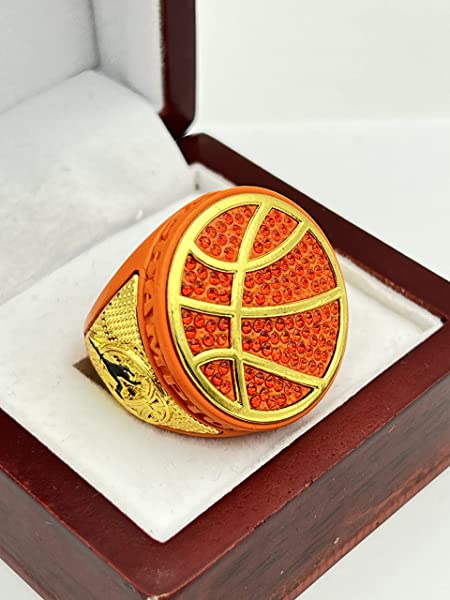
Every basketball coach knows that success on the court isn’t just about winning games; it’s about building a culture of effort, dedication, and teamwork. Recognizing those achievements with basketball awards is one of the most powerful ways to motivate players, strengthen morale, and celebrate the values that make a team thrive. Awards can inspire athletes to push harder, build unity among teammates, and reinforce the behaviors that drive long-term success. Whether you coach a youth league, high school team, or college program, understanding how to effectively select, present, and use awards is an essential part of leadership.
The Power of Recognition in Basketball
Recognition is one of the most influential motivators in sports. Players of all ages and skill levels crave acknowledgment for their hard work and contributions. When athletes feel that their efforts matter, they become more engaged and more committed to both personal and team improvement. Awards transform intangible qualities, like perseverance, discipline, and leadership, into something tangible.
For coaches, recognition is more than a ceremony at the end of the season; it’s a tool to reinforce the team’s values. Celebrating achievements doesn’t just honor standout performers; it highlights what your program stands for. A well-designed award system can teach athletes that effort and sportsmanship are as important as points scored.
Types of Basketball Awards and Their Purposes
There’s no single approach to recognizing excellence. The most effective basketball award programs include a variety of honors that appeal to different strengths and contributions. Below are some of the most common and meaningful types of awards coaches can use.
1. Performance-Based Awards
Performance awards acknowledge players who demonstrate exceptional skill and consistency throughout the season. These often include:
- Most Valuable Player (MVP): Recognizes the player who consistently makes the biggest impact on games, both statistically and as a leader.
- Best Offensive Player: Celebrates a player who excels in scoring, assists, and overall offensive contribution.
- Best Defensive Player: Honors the athlete who demonstrates commitment, hustle, and intensity on the defensive end of the court.
- Most Improved Player: Rewards growth and development, highlighting athletes who have shown the most progress in skills and performance since the start of the season.
Performance-based awards are important because they motivate players to pursue excellence and measurable improvement. However, they should be balanced with awards that recognize attitude and teamwork to ensure inclusivity.
2. Character and Leadership Awards
Basketball is as much about character as it is about competition. Awards that honor leadership, perseverance, and sportsmanship help reinforce positive behavior and team culture. Examples include:
- Team Captain Award: Given to players who show outstanding leadership both on and off the court.
- Coach’s Award: Recognizes a player who consistently represents the values and vision of the coaching staff.
- Hustle Award: Celebrates the player who gives maximum effort, no matter the situation.
- Sportsmanship Award: Honors respect, integrity, and fair play toward teammates, coaches, and opponents.
These awards can be even more meaningful than performance-based ones because they highlight qualities that extend beyond basketball. Coaches who value and celebrate these traits often develop athletes who succeed not only in sports but in life.
3. Team-Oriented Awards
Basketball is a team sport, and acknowledging collective achievements is just as important as recognizing individuals. Team awards can include:
- Championship Recognition: For teams that reach milestones such as conference titles, state playoffs, or tournament victories.
- Team Spirit Award: For players or the group that demonstrates unity, energy, and enthusiasm.
- Perfect Attendance or Dedication Award: To reward commitment and reliability throughout the season.
These types of awards help strengthen team identity and foster camaraderie. Players take pride in being part of a group that is recognized for effort and achievement as a whole.
Why Coaches Should Be Strategic About Awards
Simply handing out trophies or medals isn’t enough. The way awards are structured and presented can have a lasting impact on team culture. A thoughtful approach ensures that recognition promotes the right values rather than fostering unhealthy competition.
Establish Clear Criteria
Each award should have a clear purpose and well-defined criteria. For example, if the “Most Improved Player” award is based on skill development, coaches should track performance metrics throughout the season. Consistency builds credibility and ensures players understand that recognition is earned through effort and progress.
Balance Between Individual and Team Recognition
While star players often attract attention, basketball is built on collaboration. Coaches should strike a balance by honoring both individual and team achievements. Recognizing unsung heroes, like the bench players who push starters in practice or the quiet leaders who inspire through action, can strengthen team unity and morale.
Reinforce Team Values
Every basketball program has a set of principles, whether it’s discipline, teamwork, or sportsmanship. Awards should reinforce those values. If your team emphasizes defense, make sure defensive awards are celebrated with the same enthusiasm as offensive ones. Aligning awards with your team’s culture helps create consistency between daily practice and end-of-season recognition.
Making the Awards Ceremony Meaningful
The awards ceremony is often the highlight of the season. It’s a time for players, families, and coaches to reflect on accomplishments and celebrate progress. To make it memorable and meaningful, consider the following approaches.
Create a Positive Atmosphere
Set the tone for the ceremony by emphasizing gratitude, teamwork, and growth. Recognize everyone involved, including players, assistant coaches, parents, and supporters. When the event feels inclusive and celebratory, it builds community and leaves lasting memories.
Tell Stories Behind Each Award
Instead of simply announcing names, share a story or example that explains why each player earned their award. This personal touch makes the moment more special and helps others appreciate the effort behind the recognition.
For example, describing how a player stayed late after every practice to improve free throws or how a captain motivated the team after a tough loss gives meaning to the award beyond the physical item.
Encourage Peer Recognition
One effective way to promote unity is to let players participate in the recognition process. Encourage them to vote for certain categories, such as “Best Teammate” or “Most Inspirational Player.” Peer acknowledgment can be incredibly validating and fosters mutual respect among teammates.
Celebrate the Journey, Not Just the Outcome
Coaches should emphasize that awards aren’t just about winning games but about growth, perseverance, and teamwork. Highlight the progress made throughout the season, the challenges overcome, and the moments that defined the team’s spirit.
How Awards Influence Team Dynamics
When used thoughtfully, awards can transform team culture. They create positive competition, inspire accountability, and encourage players to take ownership of their development. However, when handled poorly, awards can also lead to resentment or division.
Encouraging Healthy Competition
Recognizing individual excellence can motivate others to improve, as long as it’s framed positively. Coaches should communicate that awards are about effort and attitude, not favoritism or popularity. By celebrating diverse strengths, players learn that everyone contributes to success in different ways.
Preventing Negative Outcomes
To avoid discouraging players who don’t receive awards, coaches can provide other forms of recognition throughout the season. Verbal praise, team shoutouts, and personal feedback help ensure every athlete feels valued. Awards should be the culmination of consistent recognition, not the only time players feel appreciated.
Building Long-Term Motivation
Awards can spark lasting motivation when they represent meaningful milestones. A player who receives a “Most Improved” trophy one year may strive for MVP the next. Coaches who connect awards to long-term development goals help athletes see recognition as part of their growth journey.
The Role of Awards in Program Legacy
Great basketball programs are built on tradition. Over time, awards become part of that legacy, linking past and present players through shared values and achievements. Coaches can use awards to build pride in their program and connect current athletes to its history.
Preserving Team History
Keeping records of past award winners allows teams to celebrate their history and recognize the players who helped shape the program. Displaying plaques, banners, or lists of honorees builds continuity and shows current players that their efforts contribute to something lasting.
Setting Standards for Future Players
Awards establish benchmarks for excellence. When new players see the qualities and achievements that are celebrated, they understand what’s expected of them. This continuity strengthens the identity and reputation of the program over time.
Practical Tips for Coaches Planning Awards
- Start Early: Keep notes throughout the season about players’ achievements, leadership moments, and improvements.
- Involve Staff: Collaborate with assistant coaches when choosing award recipients for balanced and fair decisions.
- Be Consistent: Use the same awards structure each year to maintain credibility and tradition.
- Focus on Impact: Choose awards that reinforce team goals and motivate players for the future.
Celebrating the Game Beyond the Court
Basketball awards are far more than end-of-season tokens; they are reflections of hard work, integrity, and passion for the game. For coaches, they offer a chance to highlight the values that matter most, such as teamwork, perseverance, sportsmanship, and growth. When thoughtfully planned and presented, awards can shape athletes into better players and better people.
Every trophy or ring represents more than victory; it tells a story of dedication, discipline, and unity. Recognizing those stories builds the foundation for future success and keeps the spirit of the game alive long after the final buzzer sounds.
Find your perfect championship rings. Explore our collection of sports rings and choose from a variety of designs. Shop now at Discount Sports Rings!