

- BASEBALL AWARDS
- 2026 AWARDS
- 5 STAR BASEBALL RINGS
- BASEBALL ALL-STAR AWARDS
- BASEBALL BALL RINGS
- BASEBALL BATTER RING
- BASEBALL BELTS
- BASEBALL BRACELETS
- CUSTOMIZABLE BASEBALL AWARDS
- DELUXE BASEBALL RINGS
- DIAMOND SERIES BASEBALL RINGS
- DISTRICT BASEBALL RINGS
- HOME PLATE BASEBALL RINGS
- HOME RUN DERBY RINGS
- BASEBALL TURNOVER CHAINS
- JUMBO BASEBALL RINGS
- BASEBALL LEAGUE RINGS
- BASEBALL MEDALS
- BASEBALL MVP AWARDS
- BASEBALL NECKLACES
- BASEBALL PARTICIPATION AWARDS
- BASEBALL PLACEMENT AWARDS
- PONY BASEBALL AWARDS
- SEASONAL
- BASEBALL SLUGGER RING
- BASEBALL SPINNER RINGS
- BASEBALL STATE RINGS
- SQUARE BASEBALL RINGS
- BASEBALL TEAM AWARDS
- T-BALL
- TEXAS RINGS
- BASEBALL WORLD SERIES RINGS
- BASKETBALL AWARDS
- CHEER AWARDS
- FOOTBALL AWARDS
- 5 STAR FOOTBALL RINGS
- FOOTBALL RINGS
- 2026 AWARDS
- CUSTOMIZABLE FOOTBALL AWARDS
- FANTASY FOOTBALL AWARDS
- FOOTBALL ALL-STAR AWARDS
- FLAG FOOTBALL AWARDS
- FOOTBALL BELTS
- FOOTBALL MEDALS
- FOOTBALL MVP AWARDS
- FOOTBALL NECKLACES
- FOOTBALL PARTICIPATION AWARDS
- FOOTBALL PLACEMENT AWARDS
- SEASONAL
- FOOTBALL TURNOVER CHAINS
- SOCCER AWARDS
- SOFTBALL AWARDS
- 2026 AWARDS
- 5 STAR SOFTBALL RINGS
- SOFTBALL ALL STAR RINGS
- CUSTOMIZABLE SOFTBALL AWARDS
- SOFTBALL RINGS
- SOFTBALL BATTER RINGS
- SOFTBALL BELTS
- SOFTBALL BRACELETS
- BIG BANG SOFTBALL RINGS
- DELUXE SOFTBALL RINGS
- DIAMOND SERIES SOFTBALL RINGS
- DISTRICT SOFTBALL RINGS
- HOME PLATE SOFTBALL AWARDS
- SOFTBALL HOME RUN DERBY
- JUMBO SOFTBALL RINGS
- SOFTBALL LEAGUE RINGS
- MEDALS
- MVP
- NECKLACES
- SOFTBALL PARTICIPATION AWARDS
- SOFTBALL PLACEMENT AWARDS
- PONY SOFTBALL RINGS
- SEASONAL
- SLUGGER RING
- SOFTBALL SPINNER RINGS
- SQUARE SOFTBALL RINGS
- SOFTBALL TEAM AWARDS
- T-BALL
- TEXAS RINGS
- SOFTBALL TURNOVER CHAINS
- FASA SOFTBALL AWARDS
- SOFTBALL WORLD SERIES RINGS
- USA SOFTBALL AWARDS
- USFA
- VOLLEYBALL AWARDS
- OTHER SPORTS
Where a Participation Medal Fits in Modern Sports Recognition

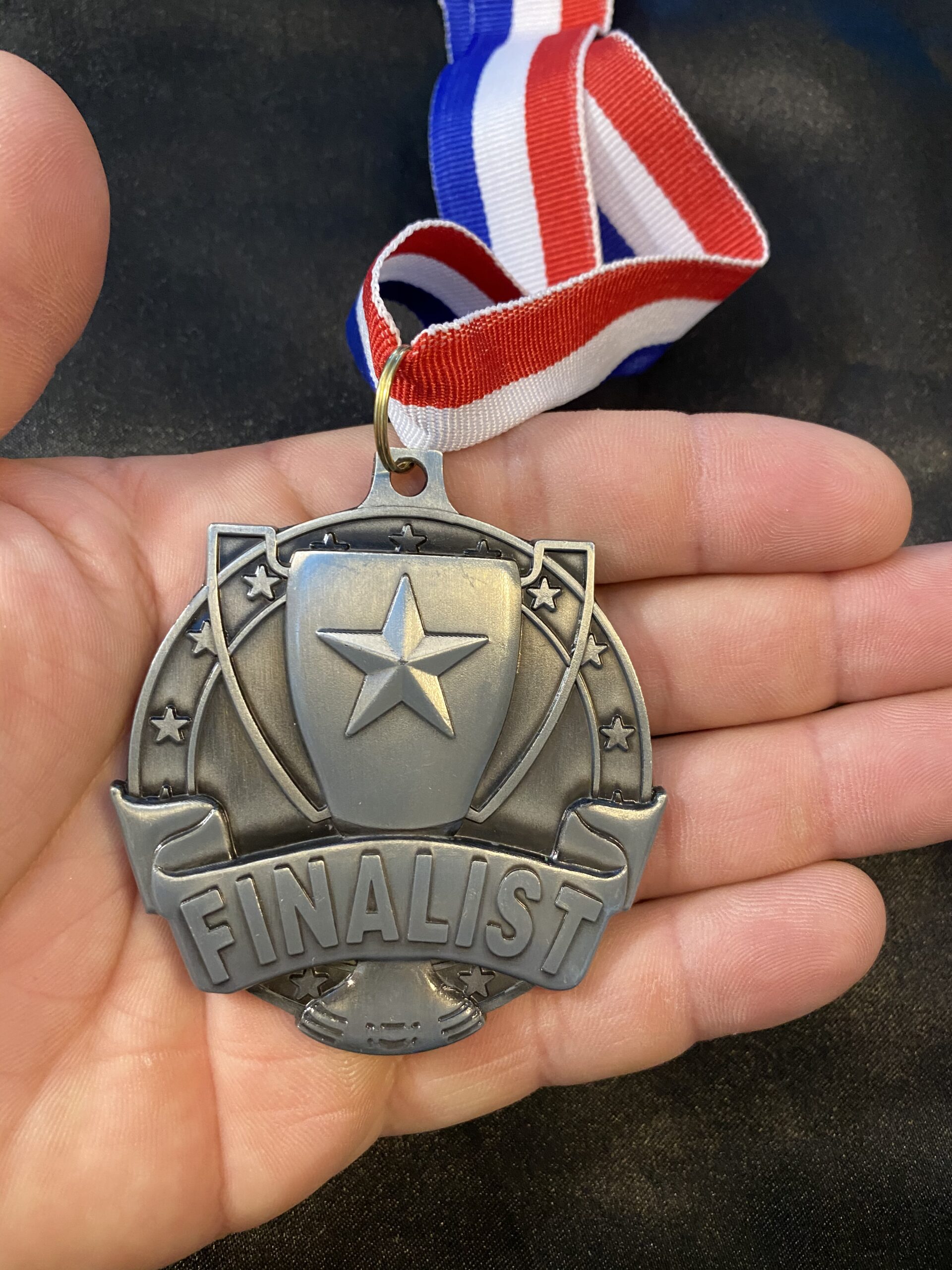
In today’s world of organized sports, from youth leagues to amateur adult competitions, the participation medal has become a symbol that sparks conversation, pride, and at times, controversy. While traditionalists argue that true recognition should be reserved for the top finishers, others see participation medals as a meaningful way to celebrate effort, inclusivity, and the spirit of competition. The discussion around where these medals fit in modern sports recognition is not simply about rewarding everyone; it’s about understanding what recognition means in the evolving landscape of athletics.
The Evolution of Sports Recognition
Sports have always been about more than just winning. Historically, athletic competitions served as a measure of physical prowess and mental discipline, but they also fostered community, sportsmanship, and perseverance. Recognition in early sports was often limited to winners, with trophies or medals symbolizing victory and superiority. Over time, as organized sports became more widespread, especially among children and recreational players, coaches and organizations sought ways to encourage participation and foster positive experiences.
The introduction of participation medals represented a shift in philosophy. Instead of emphasizing only the top performers, they highlighted the value of every athlete’s commitment to show up, train, and compete. This democratization of recognition mirrored broader societal trends emphasizing inclusivity, teamwork, and self-improvement over dominance alone.
Why Participation Medals Matter
Critics sometimes dismiss participation medals as a dilution of true achievement, but their purpose extends far beyond mere consolation prizes. They serve as tangible reminders of effort, commitment, and growth. For young athletes especially, a medal can symbolize the courage it takes to join a team, try something new, or push through personal challenges.
The importance of participation medals lies in their ability to nurture motivation. In early developmental stages, recognition plays a crucial role in shaping attitudes toward sports and competition. A child who receives acknowledgment for effort is more likely to remain engaged, develop skills, and ultimately compete at higher levels. Encouragement fosters resilience, whereas discouragement can end a budding athletic journey before it begins.
Participation medals also reinforce the idea that success is multi-dimensional. Winning is only one part of sports; teamwork, sportsmanship, and persistence are equally vital. Medals that celebrate participation emphasize these broader lessons, reminding athletes that being part of the experience is valuable in itself.
The Psychology Behind Recognition
Human motivation thrives on recognition. Whether it’s a gold medal, a handshake from a coach, or a participation medal at the end of a season, acknowledgment satisfies the innate human need to feel seen and valued. Psychologists studying motivation distinguish between intrinsic and extrinsic rewards, like internal satisfaction versus external symbols of success. Participation medals bridge these concepts, providing an external reminder of internal achievement.
For younger athletes, external recognition can help establish a foundation for intrinsic motivation. When they see effort rewarded, they learn that showing up and trying hard matter. Over time, as they mature, their focus often shifts from external validation to personal mastery. The participation medal serves as an early catalyst in this developmental process.
Even for adult recreational athletes, recognition remains meaningful. Whether completing a marathon or finishing a local softball season, adults appreciate acknowledgment of their commitment and perseverance. Participation medals serve as keepsakes that commemorate experiences and milestones, tokens of personal pride rather than public competition.
The Controversy: Do Participation Medals Devalue Competition?
The debate over participation medals often centers on the fear that universal recognition undermines competition and reduces motivation to strive for excellence. Critics argue that if everyone receives the same award, the incentive to work harder or improve diminishes. However, this perspective overlooks the role of context in recognition.
In elite, performance-driven environments, such as professional sports or championship-level competitions, achievement-based awards remain the gold standard. Winning medals and trophies distinguishes the best from the rest and reflects the results of intense training, discipline, and dedication. In contrast, participation medals are most appropriate in developmental or recreational settings where the emphasis is on learning, engagement, and community rather than ranking.
Furthermore, research on motivation suggests that the absence of recognition can lead to disengagement, especially among younger or less experienced athletes. When athletes feel their efforts go unnoticed, they may lose interest or self-confidence. Participation medals, when used thoughtfully, help prevent this drop-off by reinforcing a growth-oriented mindset.
It’s not that participation medals replace competition; they complement it. They ensure that while the top performers are celebrated, everyone who contributed to the event feels valued. The two forms of recognition serve different but equally important purposes in the ecosystem of sports.
Building Character Through Acknowledgment
Participation medals are not merely rewards; they are teaching tools. When used effectively, they reinforce key values that sports aim to cultivate. Respect, perseverance, teamwork, and humility are cornerstones of athletic character, and recognizing all participants helps embed these lessons early.
Receiving a participation medal does not equate to claiming victory. Rather, it signals appreciation for effort, consistency, and commitment. Athletes learn that while not everyone can win, everyone can contribute. This perspective nurtures emotional intelligence and resilience, skills that extend far beyond the playing field.
In addition, medals provide an opportunity for reflection. When an athlete holds a participation medal, it can serve as a prompt to consider what they learned that season, what they enjoyed, and where they hope to improve. Recognition becomes not just a pat on the back but a moment of growth and self-assessment.
The Role of Participation Medals in Youth Sports
Youth sports represent the most visible and important arena for participation medals. Young athletes are still developing their self-concept, and recognition can profoundly influence their confidence and attitude toward physical activity. Coaches and parents play pivotal roles in shaping how these medals are perceived.
When presented thoughtfully, participation medals communicate a message of encouragement rather than entitlement. Coaches can frame the award as acknowledgment of teamwork, perseverance, or personal improvement. For example, emphasizing that the medal celebrates the season’s effort rather than a win ensures that young athletes understand its value correctly.
Participation medals can also serve as equalizers in team environments where skill levels vary widely. Not every player will score the winning goal, but each one contributes in meaningful ways, through attendance, enthusiasm, or support. Recognizing participation reinforces that every role matters, strengthening team cohesion and collective pride.
Adult and Recreational Sports: A Celebration of Commitment
While often associated with children, participation medals also hold significance in adult and recreational sports. For many adults, participating in sports is not about competition but about health, community, and enjoyment. Completing a race, playing through a season, or returning from an injury are all achievements worth commemorating.
Participation medals in this context function more as mementos than awards. They symbolize discipline, consistency, and self-care. For instance, marathon runners often treasure their finisher medals not because they won the race, but because they conquered a personal challenge. These medals tell stories of determination, time management, and self-belief.
In recreational leagues, participation medals can also foster camaraderie. They remind athletes that while competition drives performance, connection sustains engagement. The shared experience of earning recognition binds teams and communities together, reinforcing the social value of sports.
Balancing Participation and Performance Recognition
The most effective sports recognition programs understand that participation and performance can coexist. There’s room on the podium for champions and contributors alike. By distinguishing between different types of recognition, like participation, achievement, leadership, or sportsmanship, organizations can celebrate the full spectrum of what makes sports meaningful.
The key is intention. When medals are awarded thoughtfully, they send the right message. Participation medals should not be presented as equal to performance awards but as complementary honors that recognize different facets of the sporting experience. Winners should be celebrated for excellence, and participants should be celebrated for engagement.
When implemented properly, this balance reinforces healthy motivation. Athletes learn that striving for excellence is admirable, but so is dedication to improvement and teamwork. Recognition becomes a holistic reflection of what sports represent: challenge, effort, and shared experience.
The Future of Sports Recognition
As sports culture continues to evolve, so too will the role of recognition. Participation medals are likely to remain a fixture in youth and recreational sports, serving as entry points to a lifelong love of competition and physical activity. Meanwhile, organizations and leagues are becoming more nuanced in their approach to awards, integrating data-driven performance analysis with human-centered recognition.
Technology may also shape the future of participation recognition. Digital leaderboards, virtual badges, and wearable integration now complement traditional medals, creating multi-layered systems of motivation. Yet, the tactile, enduring nature of a medal still holds emotional weight. A medal can be displayed, touched, and remembered, something a digital token cannot fully replicate.
The enduring appeal of the participation medal lies in its simplicity. It doesn’t promise glory; it promises acknowledgment. It reminds athletes that effort matters and that participation itself is a form of victory. In an increasingly competitive and complex world, that message is timeless.
Recognition for Every Athlete
Modern sports recognition is no longer one-dimensional. It encompasses winners, contributors, and everyone in between. Participation medals, far from undermining competition, help sustain the inclusive and motivational spirit that keeps athletes coming back season after season. They build confidence in children, pride in adults, and unity among teams.
Acknowledging participation does not mean lowering standards; it means broadening the definition of success. Every athlete, from the first-place finisher to the last to cross the line, plays a role in the shared story of sports. Recognition should reflect that diversity of effort and experience.
At the end of the day, whether celebrating victory or valuing effort, recognition connects us to what sports are truly about: community, perseverance, and growth.
Find your perfect championship rings. Explore our collection of sports rings and choose from a variety of designs. Shop now at Discount Sports Rings.