

- BASEBALL AWARDS
- 2026 AWARDS
- 5 STAR BASEBALL RINGS
- BASEBALL ALL-STAR AWARDS
- BASEBALL BALL RINGS
- BASEBALL BATTER RING
- BASEBALL BELTS
- BASEBALL BRACELETS
- COLORED BASEBALL RINGS
- CUSTOMIZABLE BASEBALL AWARDS
- DELUXE BASEBALL RINGS
- DIAMOND SERIES BASEBALL RINGS
- DISTRICT BASEBALL RINGS
- HOME PLATE BASEBALL RINGS
- HOME RUN DERBY RINGS
- BASEBALL TURNOVER CHAINS
- JUMBO BASEBALL RINGS
- BASEBALL LEAGUE RINGS
- BASEBALL MEDALS
- BASEBALL MVP AWARDS
- BASEBALL NECKLACES
- BASEBALL PARTICIPATION AWARDS
- BASEBALL PLACEMENT AWARDS
- PONY BASEBALL AWARDS
- SEASONAL
- BASEBALL SLUGGER RING
- BASEBALL SPINNER RINGS
- BASEBALL STATE RINGS
- SQUARE BASEBALL RINGS
- BASEBALL TEAM AWARDS
- T-BALL
- TEXAS RINGS
- BASEBALL WORLD SERIES RINGS
- BASKETBALL AWARDS
- CHEER AWARDS
- FOOTBALL AWARDS
- 5 STAR FOOTBALL RINGS
- FOOTBALL RINGS
- 2026 AWARDS
- CUSTOMIZABLE FOOTBALL AWARDS
- FANTASY FOOTBALL AWARDS
- FOOTBALL ALL-STAR AWARDS
- FLAG FOOTBALL AWARDS
- FOOTBALL BELTS
- FOOTBALL MEDALS
- FOOTBALL MVP AWARDS
- FOOTBALL NECKLACES
- FOOTBALL PARTICIPATION AWARDS
- FOOTBALL PLACEMENT AWARDS
- SEASONAL
- FOOTBALL TURNOVER CHAINS
- SOCCER AWARDS
- SOFTBALL AWARDS
- 2026 AWARDS
- 5 STAR SOFTBALL RINGS
- SOFTBALL ALL STAR RINGS
- CUSTOMIZABLE SOFTBALL AWARDS
- SOFTBALL RINGS
- SOFTBALL BATTER RINGS
- SOFTBALL BELTS
- SOFTBALL BRACELETS
- BIG BANG SOFTBALL RINGS
- COLORED SOFTBALL RINGS
- DELUXE SOFTBALL RINGS
- DIAMOND SERIES SOFTBALL RINGS
- DISTRICT SOFTBALL RINGS
- HOME PLATE SOFTBALL AWARDS
- SOFTBALL HOME RUN DERBY
- JUMBO SOFTBALL RINGS
- SOFTBALL LEAGUE RINGS
- MEDALS
- MVP
- NECKLACES
- SOFTBALL PARTICIPATION AWARDS
- SOFTBALL PLACEMENT AWARDS
- PONY SOFTBALL RINGS
- SEASONAL
- SLUGGER RING
- SOFTBALL SPINNER RINGS
- SQUARE SOFTBALL RINGS
- SOFTBALL TEAM AWARDS
- T-BALL
- TEXAS RINGS
- SOFTBALL TURNOVER CHAINS
- FASA SOFTBALL AWARDS
- SOFTBALL WORLD SERIES RINGS
- USA SOFTBALL AWARDS
- USFA
- VOLLEYBALL AWARDS
- OTHER SPORTS
How Custom Artwork Shapes the Story of a Championship Ring

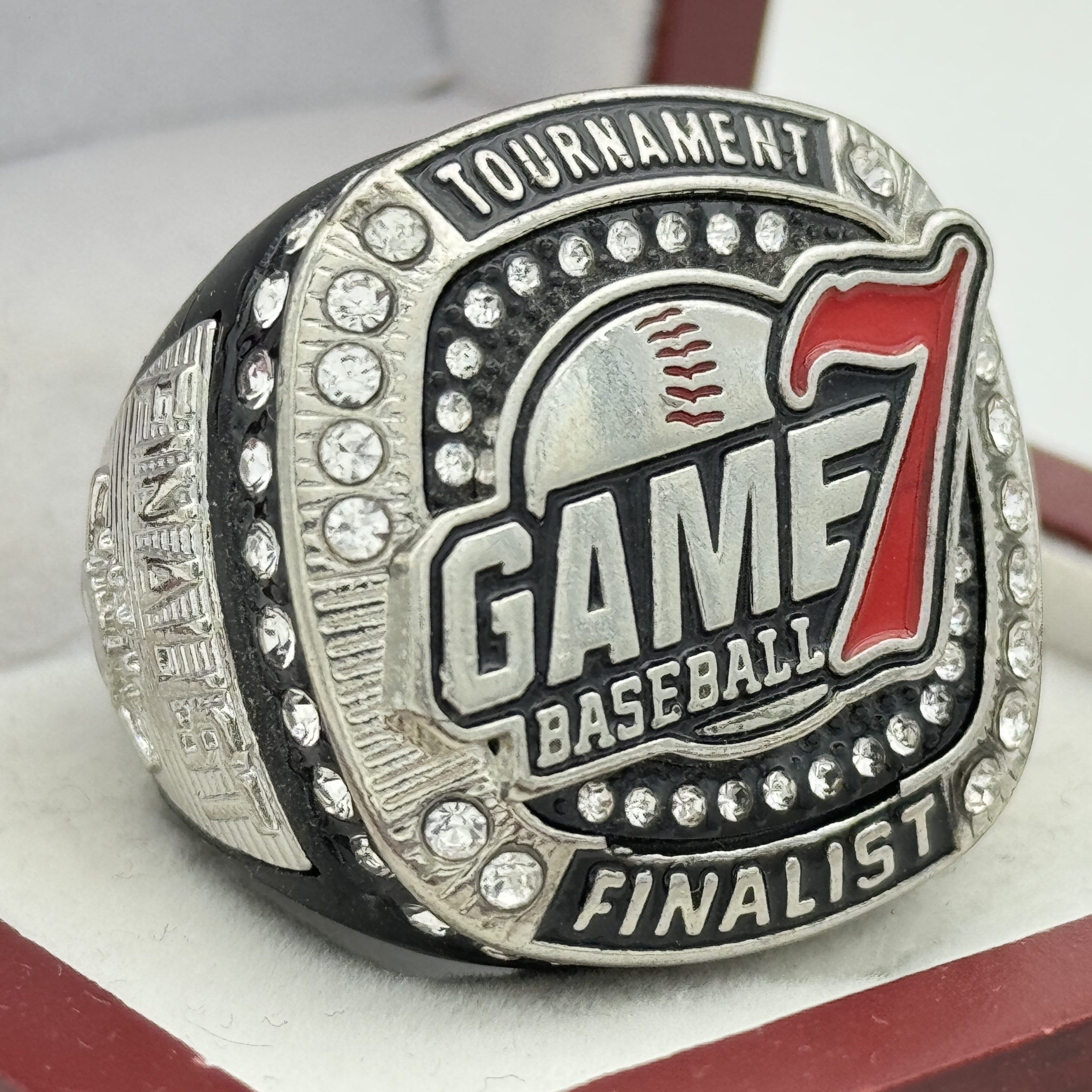
A championship ring is one of the most powerful symbols in sports. It represents dedication, teamwork, and the culmination of an unforgettable season. At the heart of that symbolism lies visual storytelling, and it is here that custom ring artwork plays a defining role. Through imagery, lettering, textures, and composition, the artwork transforms a ring from a simple object into a narrative piece that captures the spirit of victory. Each artistic element contributes meaning, ensuring the ring communicates far more than success alone.
The Role of Artwork in Championship Rings
Artwork is the language of a championship ring. It conveys identity, history, and pride without the need for words. At first glance, the artwork tells a story about who won, what was achieved, and why it matters. Strong visual design ensures the ring resonates emotionally with those who wear it and those who admire it.
The role of artwork can be summarized in several key ways.
- Establishing a visual identity tied to the team or organization
- Communicating the importance of the championship
- Creating a lasting emotional connection to the achievement
- Enhancing the overall prestige of the ring
Visual Storytelling Through Symbolism
Symbolism is the foundation of artwork on championship rings. Every symbol used carries meaning that reflects the journey to victory. Common symbols include trophies, shields, stars, and athletic imagery that connect the ring to competitive success.
These symbols are carefully arranged to guide the viewer’s eye and reinforce the importance of the achievement. A trophy icon may represent the ultimate goal, while stars can signify titles or milestones. Even abstract patterns often carry symbolic meaning tied to strength, unity, or resilience.
Symbolic elements frequently used in ring artwork include the following.
- Championship trophies or cups
- Team logos or crests
- Stars, laurel wreaths, or shields
- Sport-specific equipment motifs
Artwork as a Reflection of Team Identity
A championship ring must visually align with the identity of the team or organization it represents. Artwork helps translate that identity into a tangible form. Colors, shapes, and stylistic choices are used to reflect the character of the team, whether it is bold and aggressive or classic and refined.
Artwork reinforces branding by maintaining consistency with logos, uniforms, and other visual assets. This cohesion strengthens recognition and ensures the ring feels authentic to the organization’s legacy.
Key aspects of identity reflected through artwork include the following.
- Team colors integrated into enamel or stone accents
- Logo placement that mirrors official branding
- Design motifs that reflect the team’s personality
The Centerpiece as the Narrative Anchor
The top of a championship ring typically features a central artistic element that serves as the narrative anchor. This centerpiece draws immediate attention and establishes the main theme of the design. Whether it is a logo, emblem, or symbolic icon, this element defines the story being told.
The scale, shape, and detailing of the centerpiece influence how the story is perceived. A bold, raised design communicates dominance and achievement, while intricate detailing highlights craftsmanship and tradition.
Characteristics of effective centerpiece artwork include the following.
- Clear visual hierarchy that emphasizes importance
- Balanced proportions that enhance readability
- Strong contrast to distinguish key elements
Side Artwork and Supporting Details
While the top of the ring captures attention, the sides provide depth to the story. Side artwork allows additional themes and symbols to be explored without overwhelming the main design. These areas often highlight secondary imagery connected to the sport or championship journey.
Side designs create a sense of completeness, ensuring the ring tells its story from every angle. They also allow for artistic variation that adds visual interest and complexity.
Common side artwork themes include the following.
- Sport-specific imagery such as balls, bats, or helmets
- Mascots or symbolic animals
- Abstract patterns that suggest motion or power
Typography and Artistic Lettering
Lettering is an essential component of ring artwork. Numbers, titles, and words provide context that complements visual symbols. Typography choices influence how formal, modern, or traditional the ring appears.
Artistic lettering must balance clarity with style. Fonts are often bold and engraved deeply to ensure durability and readability over time. Decorative flourishes may be added to enhance visual appeal without distracting from the message.
Important considerations for lettering artwork include the following.
- Font style that matches the overall design tone
- Letter spacing that maintains legibility
- Integration with surrounding design elements
Texture and Depth in Artistic Design
Texture plays a significant role in how artwork is perceived. Smooth, polished surfaces create elegance, while textured backgrounds add contrast and highlight foreground elements. By varying surface treatments, artists add depth and dimension to the ring.
Depth is achieved through raised and recessed elements that create shadows and highlights. This interplay of light enhances visual complexity and makes the artwork feel dynamic rather than flat.
Texture and depth techniques often include the following.
- Engraved backgrounds to frame symbols
- Raised relief designs for emphasis
- Contrasting finishes to separate elements
Color as a Storytelling Tool
Color is one of the most powerful tools in artwork. In championship rings, color is used strategically to evoke emotion, establish hierarchy, and reinforce identity. Even subtle color accents can dramatically impact how a design is interpreted.
Color choices are often limited to maintain elegance and avoid visual clutter. When used effectively, color highlights key elements and guides the viewer’s focus.
Functions of color in ring artwork include the following.
- Emphasizing logos or central symbols
- Creating contrast between design elements
- Reinforcing team identity and tradition
Artwork and Historical Context
Championship rings often serve as historical artifacts. Artwork captures the era in which the championship occurred, reflecting design trends, cultural influences, and evolving aesthetics. Over time, these visual cues help distinguish rings from different decades.
Historical context adds richness to the story told by the artwork. Classic design elements may reference tradition, while modern styles reflect innovation and progress.
Ways artwork reflects historical context include the following.
- Traditional motifs that honor legacy
- Contemporary design trends that mark a specific era
- Evolving typography and layout styles
Emotional Impact of Artistic Design
Beyond aesthetics, artwork evokes emotion. A well-designed championship ring can spark memories, pride, and inspiration. Artwork serves as a visual reminder of hard work and collective success.
The emotional impact of artwork is achieved through thoughtful composition and meaningful symbolism. Every artistic choice contributes to how the ring is experienced on a personal level.
Emotional responses often inspired by ring artwork include the following.
- Pride in accomplishment
- Connection to teammates and community
- Motivation drawn from past success
Balancing Artistry and Structure
While artwork is expressive, it must also respect the physical structure of the ring. Designs are carefully planned to ensure that artistic elements do not compromise durability or comfort. This balance between creativity and engineering is essential.
Successful artwork works in harmony with the ring’s form, enhancing its appearance without weakening its construction. This integration ensures the ring remains both beautiful and functional.
Key balancing factors include the following.
- Placement of artwork to avoid stress points
- Depth of engraving that preserves strength
- Proportions that maintain comfort and wearability
How Artwork Unifies the Entire Ring
Artwork acts as the unifying force that ties all components of a championship ring together. From the band to the top and sides, consistent artistic themes create cohesion. This unity ensures the ring feels intentional and complete.
A cohesive design strengthens the story being told. When all artistic elements align, the ring communicates its message clearly and powerfully.
Elements that contribute to unity include the following.
- Repeated motifs across different surfaces
- Consistent use of shapes and lines
- Harmonized finishes and textures
Appreciating the Story Behind the Design
Understanding how artwork shapes a championship ring deepens appreciation for these iconic pieces. Each line, symbol, and texture serves a purpose, contributing to a narrative that honors achievement and legacy.
Artwork transforms a ring into a storyteller, preserving moments of triumph in a form that lasts for generations. By recognizing the role of artistic design, it becomes clear why championship rings hold such enduring value.
Find your perfect championship rings. Explore our collection of sports rings and choose from a variety of designs. Shop now at Discount Sports Rings.