

- BASEBALL AWARDS
- 2026 AWARDS
- 5 STAR BASEBALL RINGS
- BASEBALL ALL-STAR AWARDS
- BASEBALL BALL RINGS
- BASEBALL BATTER RING
- BASEBALL BELTS
- BASEBALL BRACELETS
- COLORED BASEBALL RINGS
- CUSTOMIZABLE BASEBALL AWARDS
- DELUXE BASEBALL RINGS
- DIAMOND SERIES BASEBALL RINGS
- DISTRICT BASEBALL RINGS
- HOME PLATE BASEBALL RINGS
- HOME RUN DERBY RINGS
- BASEBALL TURNOVER CHAINS
- JUMBO BASEBALL RINGS
- BASEBALL LEAGUE RINGS
- BASEBALL MEDALS
- BASEBALL MVP AWARDS
- BASEBALL NECKLACES
- BASEBALL PARTICIPATION AWARDS
- BASEBALL PLACEMENT AWARDS
- PONY BASEBALL AWARDS
- SEASONAL
- BASEBALL SLUGGER RING
- BASEBALL SPINNER RINGS
- BASEBALL STATE RINGS
- SQUARE BASEBALL RINGS
- BASEBALL TEAM AWARDS
- T-BALL
- TEXAS RINGS
- BASEBALL WORLD SERIES RINGS
- BASKETBALL AWARDS
- CHEER AWARDS
- FOOTBALL AWARDS
- 5 STAR FOOTBALL RINGS
- FOOTBALL RINGS
- 2026 AWARDS
- CUSTOMIZABLE FOOTBALL AWARDS
- FANTASY FOOTBALL AWARDS
- FOOTBALL ALL-STAR AWARDS
- FLAG FOOTBALL AWARDS
- FOOTBALL BELTS
- FOOTBALL MEDALS
- FOOTBALL MVP AWARDS
- FOOTBALL NECKLACES
- FOOTBALL PARTICIPATION AWARDS
- FOOTBALL PLACEMENT AWARDS
- SEASONAL
- FOOTBALL TURNOVER CHAINS
- SOCCER AWARDS
- SOFTBALL AWARDS
- 2026 AWARDS
- 5 STAR SOFTBALL RINGS
- SOFTBALL ALL STAR RINGS
- CUSTOMIZABLE SOFTBALL AWARDS
- SOFTBALL RINGS
- SOFTBALL BATTER RINGS
- SOFTBALL BELTS
- SOFTBALL BRACELETS
- BIG BANG SOFTBALL RINGS
- COLORED SOFTBALL RINGS
- DELUXE SOFTBALL RINGS
- DIAMOND SERIES SOFTBALL RINGS
- DISTRICT SOFTBALL RINGS
- HOME PLATE SOFTBALL AWARDS
- SOFTBALL HOME RUN DERBY
- JUMBO SOFTBALL RINGS
- SOFTBALL LEAGUE RINGS
- MEDALS
- MVP
- NECKLACES
- SOFTBALL PARTICIPATION AWARDS
- SOFTBALL PLACEMENT AWARDS
- PONY SOFTBALL RINGS
- SEASONAL
- SLUGGER RING
- SOFTBALL SPINNER RINGS
- SQUARE SOFTBALL RINGS
- SOFTBALL TEAM AWARDS
- T-BALL
- TEXAS RINGS
- SOFTBALL TURNOVER CHAINS
- FASA SOFTBALL AWARDS
- SOFTBALL WORLD SERIES RINGS
- USA SOFTBALL AWARDS
- USFA
- VOLLEYBALL AWARDS
- OTHER SPORTS
Ring Size Guide: How to Measure Teams Efficiently

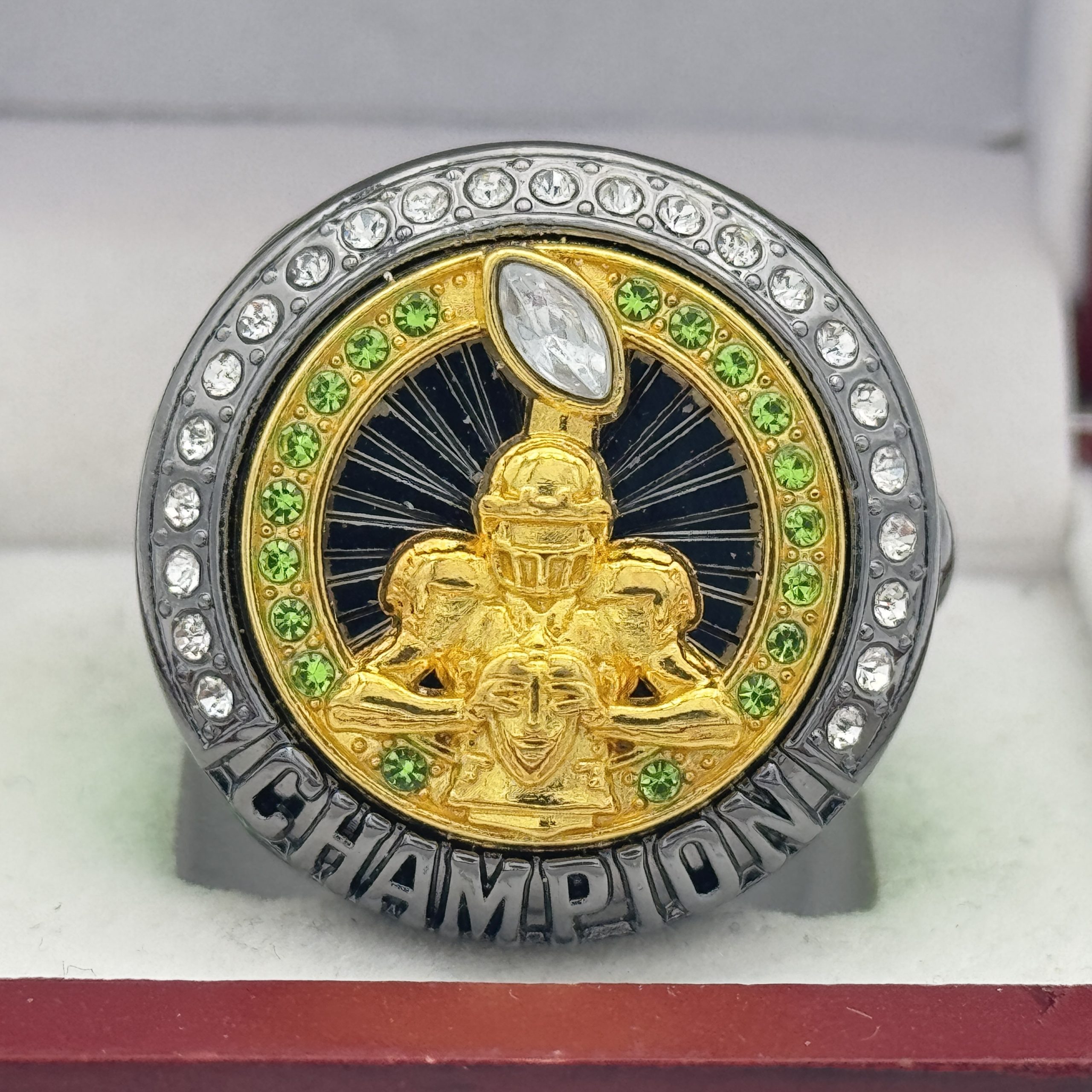
Accurate sizing is one of the most important steps when ordering championship rings for an entire team. A reliable ring sizing guide helps ensure every athlete, coach, and staff member receives a ring that fits comfortably and looks right when worn or displayed. Measuring multiple people efficiently requires planning, consistency, and clear communication. With the right approach, teams can streamline the sizing process, reduce errors, and maintain confidence that each championship ring will meet expectations.
Why Proper Ring Sizing Matters for Teams
Ring sizing is not only about comfort. The correct size affects how the ring looks, how it feels during wear, and how secure it is on the finger. Rings that are too large can slip off easily, while rings that are too small may be uncomfortable or difficult to remove.
For teams, proper sizing is especially critical because measurements are often collected all at once. Mistakes can multiply quickly if the process is not organized. A structured approach helps maintain accuracy across dozens or even hundreds of individuals.
Key reasons accurate sizing matters include the following.
- Ensuring long-term comfort for the wearer
- Preventing loss due to loose-fitting rings
- Preserving the professional appearance of the ring
- Avoiding delays caused by incorrect size submissions
Understanding Standard Ring Sizes
Most championship rings follow standard United States ring sizing charts. These sizes are based on the inner circumference or diameter of the ring and typically range from smaller sizes for youth to larger sizes for adult hands.
Standardization allows teams to use consistent tools and charts when collecting measurements. Familiarity with these standards helps coordinators explain the process clearly to participants.
Important points about standard sizing include the following.
- Sizes increase in consistent increments
- Half sizes are available for improved accuracy
- Charts correlate size with diameter and circumference
Ring Size Guide Chart (U.S. Standard Sizes)
| U.S. Ring Size | Inside Diameter (mm) | Inside Circumference (mm) |
|---|---|---|
| 5 | 15.7 | 49.3 |
| 5.5 | 16.1 | 50.6 |
| 6 | 16.5 | 51.9 |
| 6.5 | 16.9 | 53.1 |
| 7 | 17.3 | 54.4 |
| 7.5 | 17.7 | 55.7 |
| 8 | 18.1 | 57.0 |
| 8.5 | 18.5 | 58.3 |
| 9 | 18.9 | 59.5 |
| 9.5 | 19.4 | 60.8 |
| 10 | 19.8 | 62.1 |
| 10.5 | 20.2 | 63.4 |
| 11 | 20.6 | 64.6 |
| 11.5 | 21.0 | 65.9 |
| 12 | 21.4 | 67.2 |
| 12.5 | 21.8 | 68.5 |
| 13 | 22.2 | 69.7 |
Choosing the Right Finger for Measurement
Before measuring begins, it is essential to determine which finger the ring will be worn on. Championship rings are most commonly worn on the ring finger, but some individuals prefer other fingers depending on comfort or tradition.
Consistency is important when measuring teams. All participants should measure the same finger to ensure uniform results. Coordinators should clearly communicate this decision before measurements are taken.
Common considerations include the following.
- Dominant hand versus non-dominant hand sizing differences
- Slight size variation between left and right hands
- Personal comfort preferences
Timing and Conditions for Accurate Measurements
Finger size can change throughout the day due to temperature, hydration, and activity levels. Measuring at the right time helps improve accuracy across the group.
For team measurements, consistency matters more than perfection. Selecting a standard time and environment helps minimize variation.
Best practices for timing measurements include the following.
- Measuring at room temperature
- Avoiding measurements immediately after exercise
- Measuring later in the day when fingers are slightly larger
- Ensuring hands are relaxed and not clenched
Tools Commonly Used for Team Ring Measurements
Using the right tools makes the sizing process more efficient and accurate. Teams often rely on physical ring sizers or printable sizing charts. Each method has advantages depending on group size and location.
Ring sizer sets with individual sizes are particularly effective for in-person measurements. Printable charts can be useful for remote participants when used carefully.
Common measurement tools include the following.
- Plastic or metal ring sizer sets
- Printable ring sizing charts with scale verification
- Measuring tape designed for finger circumference
- Existing rings that already fit the chosen finger
Step-by-Step Process for Measuring Ring Size
A clear step-by-step process ensures everyone follows the same method. This consistency reduces errors and confusion, especially when multiple people are involved.
A basic team-friendly process includes the following steps.
- Confirm the finger to be measured
- Select the appropriate sizing tool
- Measure the finger comfortably without force
- Record the size immediately and clearly
- Double-check the measurement if possible
Encouraging participants to verify their size before submission can further improve accuracy.
Organizing Measurements for Large Teams
Efficiency becomes critical when measuring large teams. Assigning responsibility and creating a structured workflow helps keep the process moving smoothly.
Team coordinators often designate one or two individuals to oversee sizing. This centralization reduces variation in technique and record-keeping.
Effective organizational strategies include the following.
- Scheduling a specific time for measurements
- Using sign-in sheets or digital forms
- Labeling measurements with full names and roles
- Reviewing entries for completeness before submission
Managing Remote or Off-Site Participants
Not all team members may be available for in-person sizing. Remote participants can still be measured accurately with clear instructions and approved tools.
Providing written guidance and visual examples helps ensure consistency. Coordinators should also allow time for questions and verification.
Helpful tips for remote sizing include the following.
- Recommending measurement with multiple methods
- Asking participants to measure more than once
- Encouraging confirmation using an existing ring
- Setting a clear deadline for size submission
Accounting for Half Sizes and Fit Preferences
Some individuals fall between standard sizes. Half sizes offer a solution that improves comfort and wearability. Teams should allow participants to choose half sizes when appropriate.
Fit preference also matters. Some people prefer a snug fit, while others want slightly more room. Clear guidance helps participants make informed choices without guesswork.
Considerations for fit preferences include the following.
- Allowing half-size selections
- Advising slightly larger sizes for wider bands
- Recommending comfort-focused choices for daily wear
Avoiding Common Ring Sizing Mistakes
Mistakes often occur when measurements are rushed or instructions are unclear. Awareness of common errors helps teams avoid costly delays or dissatisfaction.
Frequent sizing mistakes include the following.
- Measuring the wrong finger
- Measuring when fingers are swollen or cold
- Guessing size without proper tools
- Recording sizes incorrectly
- Failing to confirm measurements
A checklist approach can help coordinators catch errors before finalizing submissions.
Verifying and Confirming Team Sizes
Verification is a critical final step. Before placing an order, all measurements should be reviewed for accuracy and completeness. This process helps identify outliers or missing information.
Verification steps may include the following.
- Reviewing sizes for unusual patterns
- Confirming extremely small or large sizes
- Checking that all team members are accounted for
- Allowing a brief window for corrections
This extra step provides peace of mind and reduces the risk of issues later.
Communicating Clearly with the Team
Clear communication is the foundation of an efficient sizing process. Participants should understand why accuracy matters and how to measure correctly.
Providing simple instructions and setting expectations upfront helps avoid confusion. Consistent messaging across emails, meetings, or forms keeps everyone aligned.
Effective communication strategies include the following.
- Sharing written instructions before measurements begin
- Demonstrating the process when possible
- Offering a contact point for questions
- Sending reminders before deadlines
Planning for Future Team Sizing Needs
Teams that anticipate future championships or recognition events can benefit from documenting their sizing process. Keeping records of what worked well makes future measurements even more efficient.
Maintaining a reference guide or checklist ensures continuity, even if team leadership changes.
Planning benefits include the following.
- Faster sizing for future orders
- Reduced learning curve for new coordinators
- Improved accuracy over time
- Greater confidence in the process
Final Thoughts on Efficient Team Ring Sizing
An organized approach to ring sizing saves time, reduces stress, and ensures every team member receives a ring that fits properly. By following a clear ring sizing guide, teams can manage measurements efficiently regardless of size or location.
Attention to detail, consistent methods, and clear communication make all the difference. When sizing is handled correctly, the focus can remain on celebrating achievement rather than correcting errors.
Find your perfect championship rings. Explore our collection of sports rings and choose from a variety of designs. Shop now at Discount Sports Rings.