

- BASEBALL AWARDS
- 2026 AWARDS
- 5 STAR BASEBALL RINGS
- BASEBALL ALL-STAR AWARDS
- BASEBALL BALL RINGS
- BASEBALL BATTER RING
- BASEBALL BELTS
- BASEBALL BRACELETS
- COLORED BASEBALL RINGS
- CUSTOMIZABLE BASEBALL AWARDS
- DELUXE BASEBALL RINGS
- DIAMOND SERIES BASEBALL RINGS
- DISTRICT BASEBALL RINGS
- HOME PLATE BASEBALL RINGS
- HOME RUN DERBY RINGS
- BASEBALL TURNOVER CHAINS
- JUMBO BASEBALL RINGS
- BASEBALL LEAGUE RINGS
- BASEBALL MEDALS
- BASEBALL MVP AWARDS
- BASEBALL NECKLACES
- BASEBALL PARTICIPATION AWARDS
- BASEBALL PLACEMENT AWARDS
- PONY BASEBALL AWARDS
- SEASONAL
- BASEBALL SLUGGER RING
- BASEBALL SPINNER RINGS
- BASEBALL STATE RINGS
- SQUARE BASEBALL RINGS
- BASEBALL TEAM AWARDS
- T-BALL
- TEXAS RINGS
- BASEBALL WORLD SERIES RINGS
- BASKETBALL AWARDS
- CHEER AWARDS
- FOOTBALL AWARDS
- 5 STAR FOOTBALL RINGS
- FOOTBALL RINGS
- 2026 AWARDS
- CUSTOMIZABLE FOOTBALL AWARDS
- FANTASY FOOTBALL AWARDS
- FOOTBALL ALL-STAR AWARDS
- FLAG FOOTBALL AWARDS
- FOOTBALL BELTS
- FOOTBALL MEDALS
- FOOTBALL MVP AWARDS
- FOOTBALL NECKLACES
- FOOTBALL PARTICIPATION AWARDS
- FOOTBALL PLACEMENT AWARDS
- SEASONAL
- FOOTBALL TURNOVER CHAINS
- SOCCER AWARDS
- SOFTBALL AWARDS
- 2026 AWARDS
- 5 STAR SOFTBALL RINGS
- SOFTBALL ALL STAR RINGS
- CUSTOMIZABLE SOFTBALL AWARDS
- SOFTBALL RINGS
- SOFTBALL BATTER RINGS
- SOFTBALL BELTS
- SOFTBALL BRACELETS
- BIG BANG SOFTBALL RINGS
- COLORED SOFTBALL RINGS
- DELUXE SOFTBALL RINGS
- DIAMOND SERIES SOFTBALL RINGS
- DISTRICT SOFTBALL RINGS
- HOME PLATE SOFTBALL AWARDS
- SOFTBALL HOME RUN DERBY
- JUMBO SOFTBALL RINGS
- SOFTBALL LEAGUE RINGS
- MEDALS
- MVP
- NECKLACES
- SOFTBALL PARTICIPATION AWARDS
- SOFTBALL PLACEMENT AWARDS
- PONY SOFTBALL RINGS
- SEASONAL
- SLUGGER RING
- SOFTBALL SPINNER RINGS
- SQUARE SOFTBALL RINGS
- SOFTBALL TEAM AWARDS
- T-BALL
- TEXAS RINGS
- SOFTBALL TURNOVER CHAINS
- FASA SOFTBALL AWARDS
- SOFTBALL WORLD SERIES RINGS
- USA SOFTBALL AWARDS
- USFA
- VOLLEYBALL AWARDS
- OTHER SPORTS
The Anatomy of a Championship Ring: Every Component Explained

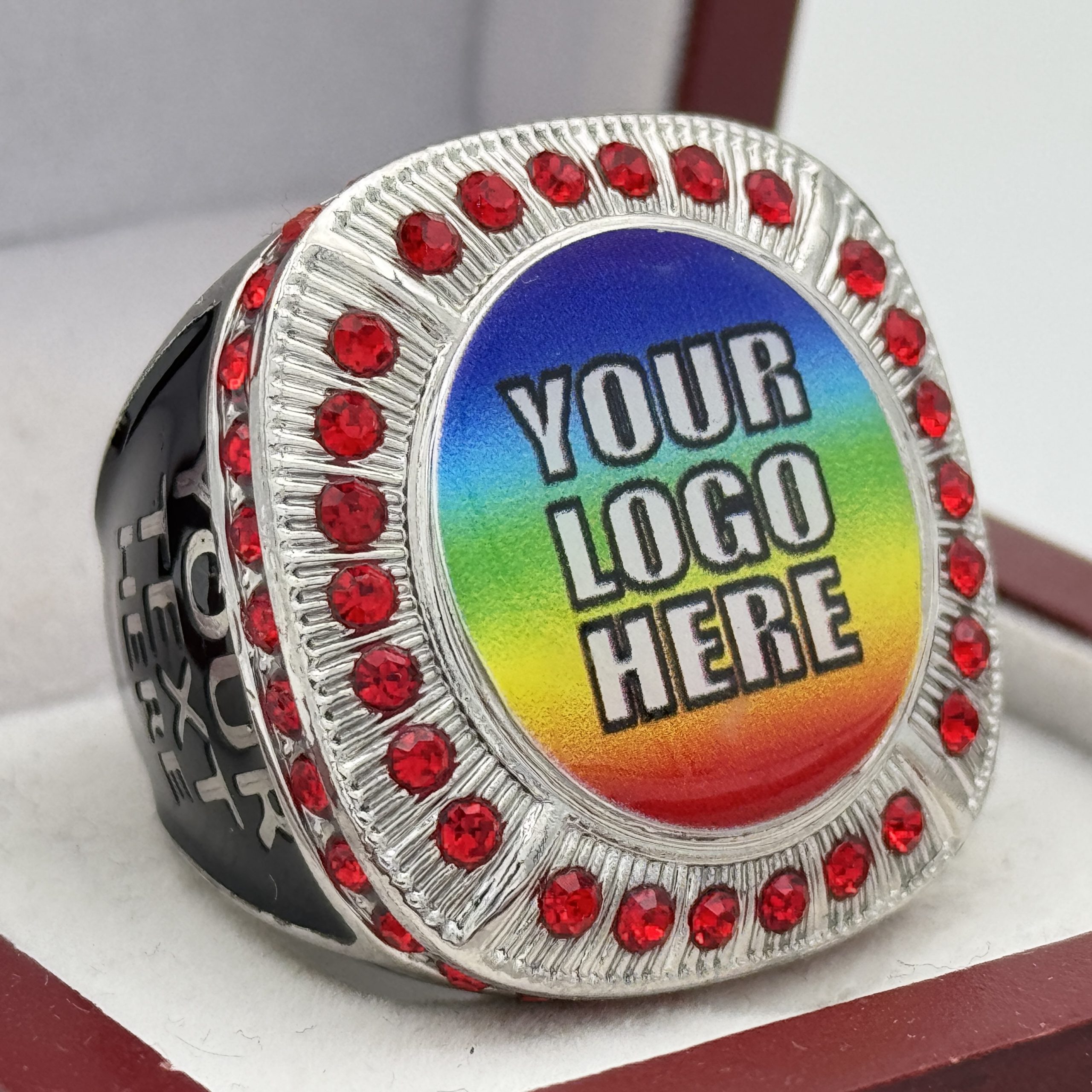
A championship ring is more than a piece of jewelry. It is a tangible symbol of victory, teamwork, and dedication that represents the highest level of achievement in competitive sports. From professional leagues to amateur tournaments, these rings carry meaning in every detail. Understanding championship ring parts helps fans, athletes, and collectors appreciate the craftsmanship and symbolism behind each design. Every surface, setting, and structural element plays a role in telling the story of a winning season and the people who earned that honor.
What Makes a Championship Ring Special
Championship rings stand apart from ordinary rings because they are built to commemorate a specific achievement. They are designed to last for decades, often becoming family heirlooms or display pieces that preserve sports history. While styles vary by sport and era, the core components remain consistent across most rings.
Key qualities that define a championship ring include the following.
- Durability to withstand long-term wear and handling
- Symbolic design elements that reference a team, season, or title
- High-quality materials chosen for both appearance and longevity
- Detailed craftsmanship that balances aesthetics and structure
Each of these qualities is achieved through the thoughtful combination of individual components, which are explored below.
The Ring Band and Shank
The band, also known as the shank, forms the foundation of the ring. It wraps around the finger and supports all other elements. The band must be strong enough to hold stones, engravings, and raised features without bending or cracking over time.
The thickness of the band is carefully calculated. A thicker band provides stability and weight, giving the ring a substantial feel that reflects its importance. The interior of the band is typically smooth to ensure comfort, while the exterior may feature decorative elements tied to the team or sport.
Common characteristics of championship ring bands include the following.
- Solid construction for strength and balance
- Tapered sides that guide attention toward the top of the ring
- Polished or textured finishes, depending on design style
The Ring Top and Center Design
The top of the ring is the most visually prominent area, and often the first feature people notice. This surface usually displays the primary symbol of the championship, such as a team logo, league emblem, or trophy icon. The top may be flat, domed, or slightly raised to add dimension.
This area serves as the focal point of the ring, anchoring the overall design. The shape and height of the top influence how light interacts with stones and metal, enhancing visual impact.
Important elements often found on the ring top include the following.
- A central emblem or symbol
- Surrounding decorative patterns or borders
- Raised surfaces that add depth and prominence
Stones and Stone Settings
Stones are one of the most recognizable components of championship rings. They add brilliance, contrast, and visual hierarchy to the design. While the number and placement of stones vary, they are typically concentrated around the top and along key accents.
The setting is just as important as the stone itself. It secures the stone in place and protects it from damage. Common setting styles include bezel settings that encircle the stone with metal and prong settings that hold the stone with small metal claws.
Functions of stones and their settings include the following.
- Drawing attention to the central design
- Representing excellence and achievement
- Adding texture and sparkle to the ring surface
Side Panels and Side Designs
The sides of a championship ring provide additional space for storytelling. These panels often include imagery related to the sport, such as equipment, mascots, or symbolic motifs. Side designs balance the visual weight of the ring and ensure that it looks complete from every angle.
Side panels are usually recessed or raised slightly from the band, allowing for detailed engravings and textures. They connect the top of the ring to the band while contributing unique visual elements.
Common features found on side panels include the following.
- Team-related symbols or icons
- Stylized patterns that reflect motion or strength
- Textured backgrounds that enhance contrast
Engravings and Text Elements
Engravings add personal and historical context to championship rings. While the top showcases symbols, engravings often communicate information such as the year, league name, or championship title. These elements are typically placed along the sides or inside the band.
Engraved text must be clear and durable, requiring precise craftsmanship. Lettering styles are chosen to match the overall tone of the ring, whether bold and modern or traditional and classic.
Typical engraving placements include the following.
- Inner band inscriptions
- Side panel text
- Small banners or plaques integrated into the design
Bezel and Frame Structures
The bezel is the metal frame that surrounds the top design or central stone area. It acts as both a protective and decorative component. By framing the centerpiece, the bezel defines boundaries and enhances contrast between different materials.
Bezels also help distribute pressure evenly across the ring, contributing to structural integrity. Their shape can be circular, rectangular, or custom-contoured to match the design language of the ring.
Key roles of bezels and frames include the following.
- Securing stones and central elements
- Creating visual separation between components
- Adding thickness and durability to the ring top
Shoulders and Transitions
The shoulders of a ring are the areas where the band rises to meet the top. These transitions are crucial for both comfort and aesthetics. Smooth, well-designed shoulders ensure that the ring feels balanced on the finger and does not catch on clothing.
From a visual standpoint, the shoulders guide the eye upward toward the main design. They may include subtle patterns or remain plain to emphasize the centerpiece.
Shoulder design considerations include the following.
- Gradual elevation for comfort
- Symmetry to maintain balance
- Reinforcement to support the ring top
Interior Construction and Comfort Fit
While much attention is given to the exterior, the interior construction of a championship ring is equally important. The inside of the band must be shaped to fit comfortably for extended wear. Edges are often rounded and surfaces polished to reduce friction.
A well-constructed interior also contributes to the ring’s longevity by minimizing stress points. Comfort fit interiors are especially valued for rings that are worn regularly rather than displayed.
Interior features typically include the following.
- Smooth, polished surfaces
- Rounded edges for comfort
- Structural thickness that prevents warping
Finishes and Surface Treatments
Surface finishes affect both appearance and durability. Championship rings often combine multiple finishes to highlight different elements. Polished surfaces reflect light and emphasize shine, while matte or textured finishes add contrast and depth.
These treatments are applied strategically to separate visual zones and enhance the readability of engravings and symbols.
Common finishes include the following.
- High polish for reflective areas
- Satin or brushed finishes for contrast
- Textured backgrounds to frame details
How All Components Work Together
Each component of a championship ring is designed to complement the others. The band provides strength, the top delivers visual impact, stones add brilliance, and engravings convey meaning. Together, these elements create a cohesive piece that honors achievement while standing up to the test of time.
Understanding the anatomy of a championship ring reveals why these items are so highly valued. They are not just decorative objects but carefully engineered symbols of success that combine art, structure, and storytelling in a compact form.
Appreciating the Craftsmanship Behind Championship Rings
When viewed as a whole, championship rings represent a balance between form and function. Every curve, setting, and surface serves a purpose. By learning about the individual parts, it becomes easier to recognize quality craftsmanship and thoughtful design.
Whether displayed in a case or worn with pride, a championship ring carries significance far beyond its size. It captures a moment of triumph and preserves it through expertly assembled components that work in harmony.
Find your perfect championship rings. Explore our collection of sports rings and choose from a variety of designs. Shop now at Discount Sports Rings.