

- BASEBALL AWARDS
- 2026 AWARDS
- 5 STAR BASEBALL RINGS
- BASEBALL ALL-STAR AWARDS
- BASEBALL BALL RINGS
- BASEBALL BATTER RING
- BASEBALL BELTS
- BASEBALL BRACELETS
- COLORED BASEBALL RINGS
- CUSTOMIZABLE BASEBALL AWARDS
- DELUXE BASEBALL RINGS
- DIAMOND SERIES BASEBALL RINGS
- DISTRICT BASEBALL RINGS
- HOME PLATE BASEBALL RINGS
- HOME RUN DERBY RINGS
- BASEBALL TURNOVER CHAINS
- JUMBO BASEBALL RINGS
- BASEBALL LEAGUE RINGS
- BASEBALL MEDALS
- BASEBALL MVP AWARDS
- BASEBALL NECKLACES
- BASEBALL PARTICIPATION AWARDS
- BASEBALL PLACEMENT AWARDS
- PONY BASEBALL AWARDS
- SEASONAL
- BASEBALL SLUGGER RING
- BASEBALL SPINNER RINGS
- BASEBALL STATE RINGS
- SQUARE BASEBALL RINGS
- BASEBALL TEAM AWARDS
- T-BALL
- TEXAS RINGS
- BASEBALL WORLD SERIES RINGS
- BASKETBALL AWARDS
- CHEER AWARDS
- FOOTBALL AWARDS
- 5 STAR FOOTBALL RINGS
- FOOTBALL RINGS
- 2026 AWARDS
- CUSTOMIZABLE FOOTBALL AWARDS
- FANTASY FOOTBALL AWARDS
- FOOTBALL ALL-STAR AWARDS
- FLAG FOOTBALL AWARDS
- FOOTBALL BELTS
- FOOTBALL MEDALS
- FOOTBALL MVP AWARDS
- FOOTBALL NECKLACES
- FOOTBALL PARTICIPATION AWARDS
- FOOTBALL PLACEMENT AWARDS
- SEASONAL
- FOOTBALL TURNOVER CHAINS
- SOCCER AWARDS
- SOFTBALL AWARDS
- 2026 AWARDS
- 5 STAR SOFTBALL RINGS
- SOFTBALL ALL STAR RINGS
- CUSTOMIZABLE SOFTBALL AWARDS
- SOFTBALL RINGS
- SOFTBALL BATTER RINGS
- SOFTBALL BELTS
- SOFTBALL BRACELETS
- BIG BANG SOFTBALL RINGS
- COLORED SOFTBALL RINGS
- DELUXE SOFTBALL RINGS
- DIAMOND SERIES SOFTBALL RINGS
- DISTRICT SOFTBALL RINGS
- HOME PLATE SOFTBALL AWARDS
- SOFTBALL HOME RUN DERBY
- JUMBO SOFTBALL RINGS
- SOFTBALL LEAGUE RINGS
- MEDALS
- MVP
- NECKLACES
- SOFTBALL PARTICIPATION AWARDS
- SOFTBALL PLACEMENT AWARDS
- PONY SOFTBALL RINGS
- SEASONAL
- SLUGGER RING
- SOFTBALL SPINNER RINGS
- SQUARE SOFTBALL RINGS
- SOFTBALL TEAM AWARDS
- T-BALL
- TEXAS RINGS
- SOFTBALL TURNOVER CHAINS
- FASA SOFTBALL AWARDS
- SOFTBALL WORLD SERIES RINGS
- USA SOFTBALL AWARDS
- USFA
- VOLLEYBALL AWARDS
- OTHER SPORTS
What Coaches Should Know About Little League Championship Rings

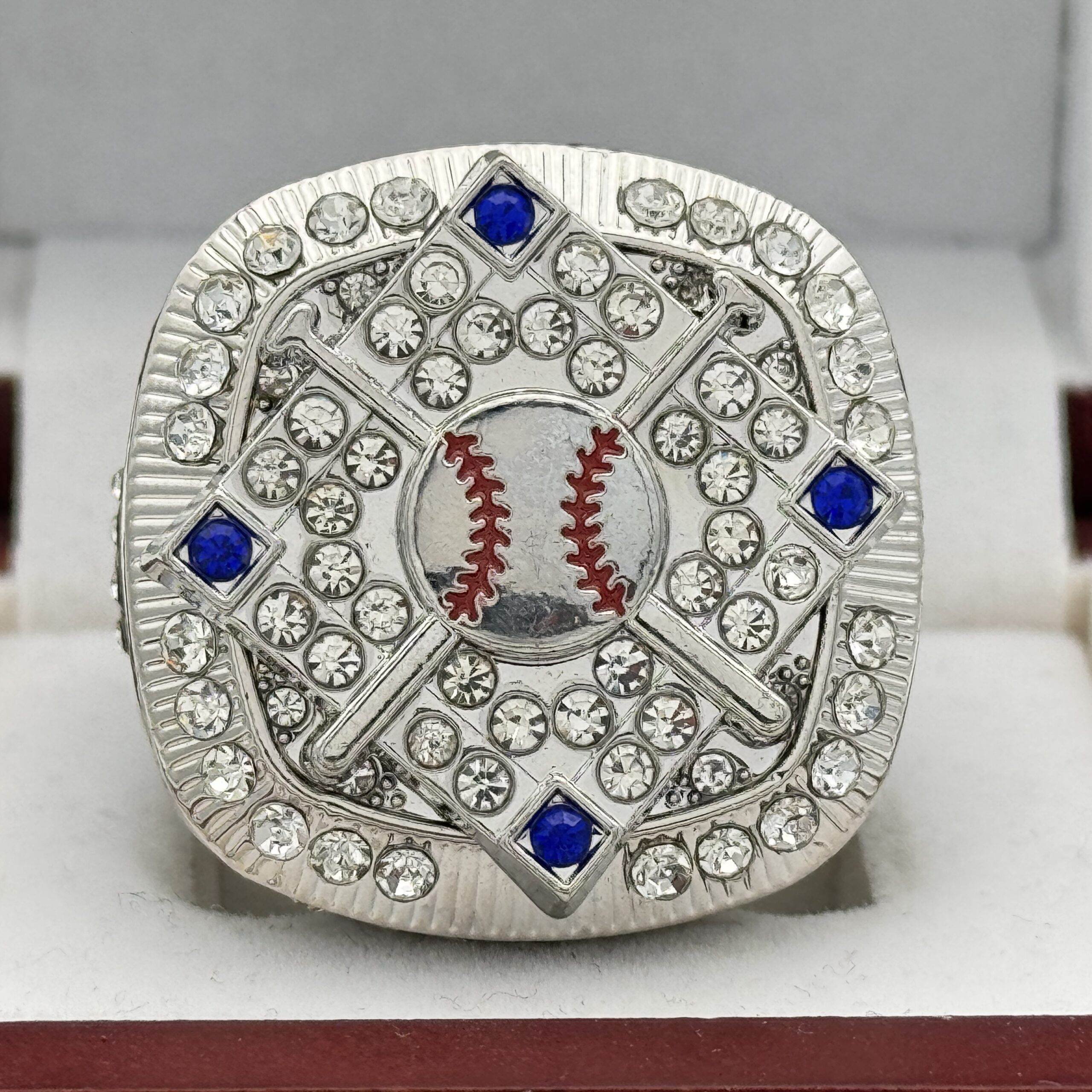
Little League championship rings represent more than the end of a successful season. For many young athletes, a ring is the first tangible symbol of teamwork, perseverance, and personal growth. Coaches play a major role in helping athletes understand the significance of these awards. Whether you are leading a brand-new team or guiding returning players, understanding how rings influence motivation, sportsmanship, and long-term development can make a meaningful difference. Little League championship rings may be small in size, but the impact they have on athletes is anything but small.
The Meaning Behind the Ring
A championship ring gives young players a physical reminder of their hard work. At this age, athletes are still learning the value of consistency and commitment. A ring can reinforce these lessons in a memorable way. Athletes often keep their first ring for years because it captures a moment in time when they accomplished something challenging. For coaches, this becomes an opportunity to reinforce the core values of youth sports. The achievement should not only be about winning the final game but about learning to overcome obstacles along the way. A ring symbolizes the practices players attended even when they were tired, the adjustments they made after setbacks, and the teamwork that developed during the season. When presented thoughtfully a ring can become a milestone that strengthens a young athlete’s confidence.
How Rings Influence Team Culture
Team culture plays a significant role in performance and player experience. Rings can help shape that culture when introduced in the right way. Coaches who frame rings as recognition for collective contribution encourage players to think beyond individual performance. Young athletes often remember how they felt during big moments far more than the details of the plays themselves. When a coach emphasizes unity and cooperation, the ring becomes a reminder of working together for something meaningful. This mindset can help players internalize teamwork as a valuable skill. It can also reduce pressure on individual athletes who may feel that a championship requires them to perform perfectly. By keeping the focus on the group as a whole, coaches create a healthier environment that benefits everyone.
Teaching Sportsmanship Through Achievement
Winning is exciting for young players, and receiving a ring amplifies that excitement. Coaches can use this moment to reinforce sportsmanship. Athletes should understand that championship recognition includes respecting opponents and showing gratitude for the experience. Coaches can explain that rings signify excellence achieved through respect, fairness, and humility. When athletes see leaders model those values, they are more likely to carry them forward into future seasons. The celebration of winning can also open the door for conversations about character. Rings provide a moment of reflection, which can remind players that success is a combination of effort, attitude, and discipline. This perspective ensures that the ring stands for more than just a final score.
Motivating Athletes Without Creating Pressure
While rings motivate many young athletes, coaches should be careful not to let awards become a source of pressure. Children thrive when competition is framed as enjoyable and educational. If winning becomes the entire focus, players may become discouraged during difficult stretches of the season. Coaches can balance this by recognizing small victories along the way. These might include improvements in batting form, increases in game awareness, or stronger communication on the field. When players know that progress will be acknowledged, they are more likely to stay engaged and confident. By the time the championship arrives, the ring becomes a reward for dedication rather than a burden of expectation.
Integrating Rings into End-of-Season Traditions
Many teams use rings as part of their closing ceremonies. Coaches can create meaningful traditions that strengthen the emotional connection athletes have with their achievements. Some teams conduct brief speeches recognizing each player’s unique contribution. Others recap highlights of the season and revisit key moments that defined the team’s identity. Coaches should ensure that the event focuses on shared success. When distributing rings, acknowledge both the final outcome and the season-long journey. Ending the year with a memorable ceremony sends players into the off-season with pride and enthusiasm for the game.
Communicating With Parents and Supporters
Parents play a key role in youth sports, and championship rings offer a great opportunity to bring families into the celebration. Coaches can communicate early in the season about the team’s goals and the values that guide their approach. When families understand that rings represent growth and teamwork, they are more likely to reinforce the same values at home. During the championship ceremony, encourage parents to share positive reflections about the season. This strengthens the community around the team and helps athletes feel supported. Rings often become keepsakes that families treasure long after the season ends.
Using Rings to Inspire Future Players
Younger athletes who watch the team receive championship rings often feel inspired to work harder in the future. Coaches can use this interest to motivate developing players. When younger team members see older players rewarded for their dedication, it gives them a model to follow. Coaches might highlight the connection between small daily habits and long-term success. This encourages consistency and helps cultivate a healthy competitive spirit. Rings can serve as visual evidence that effort pays off. Over time, this can help raise the overall skill level and commitment within the larger program.
Rings as Part of the Long-Term Coaching Strategy
A championship ring does not mark the end of a coaching journey. It is part of the foundation for the seasons ahead. Coaches can revisit lessons learned from a championship season to improve training strategies and leadership approaches. The confidence players gain from earning rings can translate into stronger performance in subsequent years. Coaches can also use the accomplishment to refine expectations. If a team demonstrated exceptional resilience during a tough season, that becomes a defining trait to build on. Rings become symbols of identity, which coaches can reinforce during meetings, practices, and early-season discussions. This continuity helps players maintain enthusiasm even when faced with new challenges.
Encouraging Emotional Growth
Youth sports are as much about emotional development as they are about physical skills. Rings provide a moment of recognition that can help young players understand the value of perseverance. Coaches have an opportunity to help athletes navigate emotions that come with success. Celebrating appropriately and acknowledging the hard work involved teaches players how to appreciate meaningful achievements. It can also strengthen their ability to cope with future highs and lows. When young athletes learn that success is earned through resilience, they develop confidence that extends beyond the field. Rings become a reminder of what determination looks like in practice.
The Role of Coaches in Preserving the Memory
A championship ring is a keepsake that most players will hold onto for many years. Coaches influence how meaningful that keepsake becomes. When coaches communicate the deeper significance of a ring, it transforms from a simple award into a cherished memory. Many athletes look back at their first championship ring as a milestone that helped shape their early understanding of commitment. Coaches who highlight character, effort, and teamwork help ensure that players remember more than just the final score. They remember everything that made the season worth celebrating.
Choosing Rings for Your Team
When selecting rings for your team, consider durability, design, and symbolism. Young athletes enjoy bold, visually appealing rings that feel substantial and celebratory. Coaches often look for rings that reflect team pride while remaining comfortable and easy to wear. Many choose classic sports-themed designs because they immediately communicate accomplishment. A well-crafted ring gives athletes something they can be proud to share with family, teammates, and friends. Quality matters because these rings become long-term reminders of a meaningful experience.
Building Excitement for the Presentation
The ring presentation can be one of the most memorable parts of the season. Coaches may build anticipation through countdowns, team gatherings, or brief messages leading up to the event. Solid preparation helps create an atmosphere of celebration and gratitude. Some teams present rings at a banquet while others choose to distribute them on the field where the season unfolded. Regardless of the location, the goal is to create an experience that players will remember fondly. When done well, the presentation reinforces the season’s lessons and rewards players for their dedication.
Shop Today
Little League championship rings hold powerful significance for young athletes. They celebrate hard work, teamwork, sportsmanship, and perseverance. Coaches play an essential role in shaping the meaning behind these awards. By emphasizing growth and unity, coaches help athletes understand that rings represent more than a win. They represent the commitment and resilience that define a successful season. When presented thoughtfully, rings become cherished symbols that motivate players long after the games have ended.
Find your perfect championship rings. Explore our collection of sports rings and choose from a variety of designs. Shop now with Discount Sports Rings.