

- BASEBALL AWARDS
- 2026 AWARDS
- 5 STAR BASEBALL RINGS
- BASEBALL ALL-STAR AWARDS
- BASEBALL BALL RINGS
- BASEBALL BATTER RING
- BASEBALL BELTS
- BASEBALL BRACELETS
- CUSTOMIZABLE BASEBALL AWARDS
- DELUXE BASEBALL RINGS
- DIAMOND SERIES BASEBALL RINGS
- DISTRICT BASEBALL RINGS
- HOME PLATE BASEBALL RINGS
- HOME RUN DERBY RINGS
- BASEBALL TURNOVER CHAINS
- JUMBO BASEBALL RINGS
- BASEBALL LEAGUE RINGS
- BASEBALL MEDALS
- BASEBALL MVP AWARDS
- BASEBALL NECKLACES
- BASEBALL PARTICIPATION AWARDS
- BASEBALL PLACEMENT AWARDS
- PONY BASEBALL AWARDS
- SEASONAL
- BASEBALL SLUGGER RING
- BASEBALL SPINNER RINGS
- BASEBALL STATE RINGS
- SQUARE BASEBALL RINGS
- BASEBALL TEAM AWARDS
- T-BALL
- TEXAS RINGS
- BASEBALL WORLD SERIES RINGS
- BASKETBALL AWARDS
- CHEER AWARDS
- FOOTBALL AWARDS
- 5 STAR FOOTBALL RINGS
- FOOTBALL RINGS
- 2026 AWARDS
- CUSTOMIZABLE FOOTBALL AWARDS
- FANTASY FOOTBALL AWARDS
- FOOTBALL ALL-STAR AWARDS
- FLAG FOOTBALL AWARDS
- FOOTBALL BELTS
- FOOTBALL MEDALS
- FOOTBALL MVP AWARDS
- FOOTBALL NECKLACES
- FOOTBALL PARTICIPATION AWARDS
- FOOTBALL PLACEMENT AWARDS
- SEASONAL
- FOOTBALL TURNOVER CHAINS
- SOCCER AWARDS
- SOFTBALL AWARDS
- 2026 AWARDS
- 5 STAR SOFTBALL RINGS
- SOFTBALL ALL STAR RINGS
- CUSTOMIZABLE SOFTBALL AWARDS
- SOFTBALL RINGS
- SOFTBALL BATTER RINGS
- SOFTBALL BELTS
- SOFTBALL BRACELETS
- BIG BANG SOFTBALL RINGS
- DELUXE SOFTBALL RINGS
- DIAMOND SERIES SOFTBALL RINGS
- DISTRICT SOFTBALL RINGS
- HOME PLATE SOFTBALL AWARDS
- SOFTBALL HOME RUN DERBY
- JUMBO SOFTBALL RINGS
- SOFTBALL LEAGUE RINGS
- MEDALS
- MVP
- NECKLACES
- SOFTBALL PARTICIPATION AWARDS
- SOFTBALL PLACEMENT AWARDS
- PONY SOFTBALL RINGS
- SEASONAL
- SLUGGER RING
- SOFTBALL SPINNER RINGS
- SQUARE SOFTBALL RINGS
- SOFTBALL TEAM AWARDS
- T-BALL
- TEXAS RINGS
- SOFTBALL TURNOVER CHAINS
- FASA SOFTBALL AWARDS
- SOFTBALL WORLD SERIES RINGS
- USA SOFTBALL AWARDS
- USFA
- VOLLEYBALL AWARDS
- OTHER SPORTS
Volleyball Awards for Fall Leagues: Rings, Medals, and Necklaces

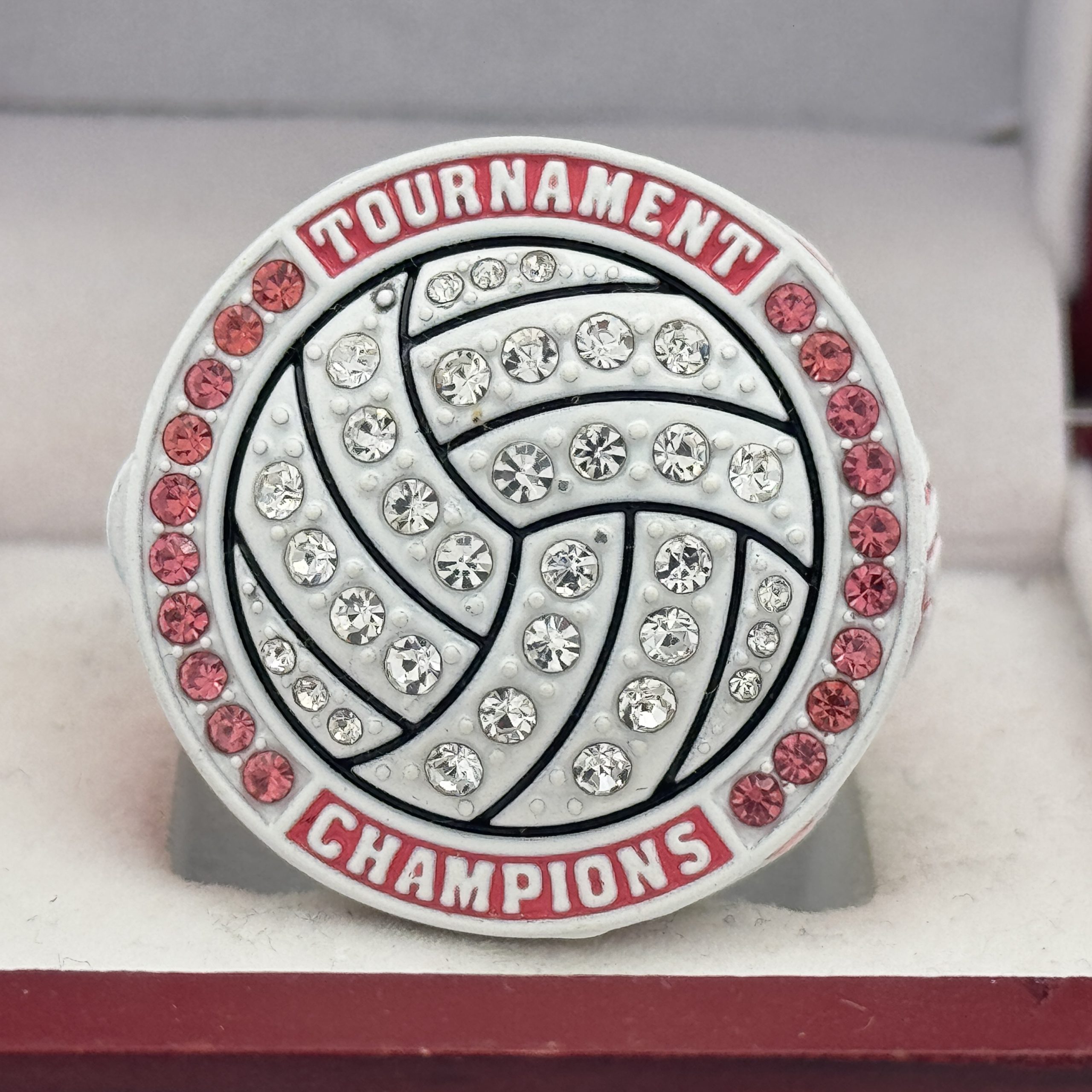
Fall volleyball leagues bring together fast-paced competition, team development, and memorable championship moments. As coaches, league directors, and tournament organizers, we want the season to end with recognition that reflects the players’ hard work. Choosing the right volleyball awards can help us celebrate champions, acknowledge individual achievement, and create a positive experience for every participant. Rings, medals, and necklaces each offer distinct advantages, so the best choice depends on the league’s age group, competition level, presentation plans, and budget. By comparing the available award styles before the season ends, we can select meaningful items that players will be proud to receive and keep.
Why Fall Volleyball Awards Matter
A fall volleyball season requires commitment from players, coaches, families, officials, and league organizers. Athletes spend weeks attending practices, learning rotations, improving communication, and competing in matches. An award gives us a tangible way to recognize the time and effort invested throughout the season.
Awards can also strengthen the culture of a volleyball program. When recognition is handled thoughtfully, it reinforces teamwork, sportsmanship, consistency, and resilience. Players see that their progress matters, even when every match does not end in a win.
For younger athletes, receiving an award can increase enthusiasm for returning next season. For experienced players, a ring, medal, or necklace can serve as a lasting reminder of a championship run or important tournament. The award ceremony itself also gives families and teammates an opportunity to celebrate together.
Championship Rings for Volleyball Teams
Championship rings are a strong choice for league champions, tournament winners, and teams that complete an especially successful season. Rings have a bold appearance and are often associated with major athletic accomplishments. They can make a fall league championship feel more significant because they give players something substantial to wear and display.
Volleyball rings work especially well when we want to create a clear distinction between participation recognition and championship recognition. A medal may acknowledge placement or participation, while a ring can be reserved for the team that wins the league or postseason tournament.
Benefits of volleyball championship rings include:
- A recognizable symbol of victory
- A lasting keepsake players can display
- Strong visual impact during award presentations
- Appeal across youth, school, club, and adult leagues
- A memorable way to recognize an entire roster
Rings can also help build league tradition. When championship teams receive rings each year, winning one can become a long-term goal for returning players. Athletes may remember the teammates, coaches, close matches, and decisive points connected to the ring long after the season ends.
When Rings Are the Best Choice
Rings are usually best suited for first-place teams or major tournament champions. Because they carry a strong championship association, using them selectively can preserve their significance. We may choose rings for the winner of a fall recreational league, a school tournament, a club championship, or an end-of-season invitational.
They are particularly effective for athletes who have worked through a competitive playoff format. A ring can represent not only the final victory but also the full journey through practices, league matches, and elimination rounds.
Before ordering rings, we should prepare a complete roster and collect accurate ring sizes. Gathering measurements early can prevent rushed decisions near the championship date. It is also wise to account for coaches, assistant coaches, and other team personnel who may be included in the award presentation.
Volleyball Medals for Flexible Recognition
Medals are one of the most versatile volleyball awards available for fall leagues. They are appropriate for champions, finalists, tournament participants, division winners, and individual honorees. Their familiar format also makes them easy to distribute during large ceremonies.
A medal can be worn immediately after it is presented, which creates an exciting visual moment. Players can stand together for team photographs while wearing their awards, giving families an opportunity to capture the end of the season.
Medals are useful for many forms of recognition, including:
- League champions
- Tournament winners
- Second-place teams
- Division champions
- All-tournament players
- Most valuable players
- Sportsmanship recipients
- Participation recognition
Because medals can support several award categories, they are helpful when we need a consistent presentation across a large league. We might provide one medal style for champions and another for finalists or individual achievements. This allows us to recognize multiple accomplishments while keeping the ceremony organized.
Why Medals Work Well for Youth Leagues
Youth volleyball programs often include players with different experience levels. Some athletes may be playing organized volleyball for the first time, while others may already understand serving, passing, setting, hitting, and defensive positioning. Medals provide an accessible way to celebrate both competition and development.
For younger divisions, participation medals can acknowledge commitment and encourage players to continue improving. In more competitive divisions, medals can be reserved for top finishers or tournament winners. The recognition structure should match the league’s goals.
If the program emphasizes skill development, we may also use medals for awards such as:
- Most Improved Player
- Best Teammate
- Defensive Player
- Offensive Player
- Serving Award
- Leadership Award
- Coach’s Award
- Sportsmanship Award
These categories help us recognize the many ways athletes contribute to a volleyball team. Not every important performance appears on the scoreboard. Communication, hustle, encouragement, and dependable practice attendance can be just as valuable to a successful season.
Volleyball Necklaces for Wearable Recognition
Volleyball necklaces offer a different style of recognition. Instead of being placed in a display case or stored with other awards, a necklace can become a wearable reminder of the season. Players may enjoy wearing it to school, practices, team gatherings, or future volleyball events.
Necklaces can be especially appealing for individual honors, tournament awards, and team recognition. They provide a balance between athletic symbolism and everyday wearability. For leagues that want an alternative to traditional trophies, necklaces can create a distinctive award presentation.
A volleyball necklace may be suitable for:
- Tournament champions
- Most valuable players
- Team captains
- All-league selections
- Senior recognition
- Coaches and volunteers
- Outstanding sportsmanship
- Position-specific honors
Necklaces can also be paired with another award. For example, a championship team might receive medals during the official ceremony, while selected players receive necklaces for individual accomplishments. This layered approach allows us to recognize both team success and personal contributions.
Comparing Rings, Medals, and Necklaces
Each award type creates a different experience. Rings communicate championship prestige, medals provide flexibility, and necklaces offer everyday wearability. Understanding these differences makes it easier to select the right format for a fall volleyball league.
Rings
Rings are ideal when we want to emphasize a major victory. They feel substantial and create a strong connection to championship sports traditions. They are best for league winners, tournament champions, and other top-level achievements.
Medals
Medals are highly versatile and easy to present to large groups. They can recognize first place, second place, participation, or individual awards. They are often the most practical option for leagues with multiple divisions or age groups.
Necklaces
Necklaces provide a wearable form of recognition. They work well for individual awards, team honors, and players who may prefer an accessory they can use beyond the ceremony. They can also help distinguish special honors from standard team awards.
How to Choose the Right Volleyball Awards
The best awards should align with the purpose of the league. Before making a decision, we should identify exactly what we are recognizing. A championship deserves a different type of award than season participation, and an individual leadership honor may call for a different presentation than a team title.
Important factors to consider include:
- The age of the athletes
- The competitiveness of the league
- The number of teams and divisions
- The total number of recipients
- The award budget
- The timing of the final tournament
- The format of the ceremony
- The meaning attached to each award
We should also consider what players are likely to value after the season ends. Younger athletes may enjoy wearing a medal immediately, while older players may appreciate the prestige of a championship ring. A necklace may be a good fit for athletes who prefer a wearable keepsake.
Building a Clear Award Structure
A well-planned award structure helps prevent confusion and ensures that recognition feels fair. Before the fall season begins, we can decide which accomplishments will receive awards and how winners will be selected.
A simple award structure might include:
- Championship rings for the first-place team
- Medals for tournament finalists
- Necklaces for individual award recipients
- Recognition certificates for volunteers or staff
Another option is to use medals for all team placements and reserve rings for the overall league champion. The right structure depends on the league’s size and competitive format.
Individual awards should be based on clear criteria. Coaches may consider performance, improvement, attendance, leadership, sportsmanship, and teamwork. When players understand what an award represents, the recognition becomes more meaningful.
Planning Awards Before the Season Ends
Waiting until the final match to think about awards can create unnecessary pressure. We should begin planning early enough to confirm quantities, player information, sizes, presentation details, and delivery schedules.
Start by estimating the number of teams and players who may receive recognition. If the league has several divisions, create a separate list for each age group. We should also confirm whether coaches, assistant coaches, managers, or volunteers will receive awards.
For rings, collecting sizes is one of the most important steps. We can distribute a sizing form several weeks before the playoffs. It may be helpful to collect sizes from all potential finalists so the process does not depend on knowing the champion in advance.
For medals and necklaces, verify the total quantity and consider ordering a small number of extras. Additional awards may be useful if a roster changes, a player was accidentally omitted, or an extra coach needs to be included.
Creating a Memorable Award Ceremony
The presentation can be just as important as the award itself. A thoughtful ceremony gives players a chance to reflect on the season and celebrate their teammates. It does not need to be long or elaborate, but it should feel organized and sincere.
We can make the ceremony more memorable by:
- Announcing each team and award category clearly
- Sharing a brief summary of the season
- Recognizing coaches, officials, and volunteers
- Inviting families to take photographs
- Presenting awards directly to each athlete
- Highlighting examples of teamwork and sportsmanship
- Allowing the championship team to celebrate together
When announcing individual honors, we should briefly explain why each player was selected. A few specific words about leadership, improvement, effort, or performance can make the moment more personal.
Team awards should also be presented in a way that emphasizes shared success. Volleyball depends on coordinated movement, communication, and trust. Even standout players rely on teammates to pass, set, cover, block, and defend.
Recognizing More Than the Final Score
Competitive results matter, but fall leagues also provide opportunities for personal development. Players learn how to communicate under pressure, recover after mistakes, accept coaching, and support teammates. Awards can reinforce these lessons.
We can recognize athletes who demonstrate qualities such as:
- Consistent effort
- Positive communication
- Dependable attendance
- Respect for officials
- Encouragement of teammates
- Willingness to learn
- Improvement throughout the season
- Composure during difficult matches
Recognition should remain genuine. Creating too many categories may reduce the meaning of each honor, while offering too few may overlook valuable contributions. The goal is to build an award program that reflects the league’s values.
Volleyball Awards for Different Age Groups
The age of the players can influence which award style works best. Younger athletes often respond positively to visible, immediate recognition. Medals are easy to wear during the ceremony and can make every player feel included.
Middle school and high school athletes may place more value on competitive distinctions. Rings can make a league or tournament championship feel official, while necklaces may appeal to players receiving individual awards.
Adult recreational leagues may also appreciate championship rings, especially when teams return season after season. A ring can document a specific fall title and become part of a collection. Medals remain a practical option for large tournaments, while necklaces can work well for most valuable player or sportsmanship recognition.
Frequently Asked Questions
What are the best volleyball awards for league champions?
Championship rings are an excellent choice for first-place teams because they provide a lasting and recognizable symbol of victory. Medals are also appropriate, especially for large leagues or tournaments.
Are medals suitable for youth volleyball players?
Yes. Medals are easy to distribute, exciting to receive, and appropriate for participation, placement, championships, and individual honors.
What volleyball awards work best for individual players?
Necklaces and medals work well for individual recognition. They can be used for most valuable player, leadership, sportsmanship, defensive performance, improvement, or all-tournament honors.
Should every player receive an award?
That depends on the league’s goals and age level. Developmental youth leagues may recognize all participants, while competitive leagues may reserve awards for champions, finalists, and selected individual recipients.
When should we order fall volleyball awards?
We should begin planning several weeks before the final tournament or ceremony. Early preparation provides time to verify quantities, collect ring sizes, review rosters, and prepare for delivery.
How do we collect ring sizes for an entire team?
We can provide players with a sizing chart or organize a team sizing session. The final roster and size list should be reviewed carefully before the order is submitted.
Can we use more than one type of award?
Yes. A league may use rings for champions, medals for finalists, and necklaces for individual honors. Using multiple award types can create a clear recognition system.
What should we include in a volleyball award ceremony?
The ceremony should recognize teams, individual recipients, coaches, volunteers, and officials. Clear announcements, brief remarks, and time for photographs can make the event feel organized and memorable.
Celebrate the Fall Volleyball Season With Discount Sports Rings
The right volleyball awards help us recognize effort, celebrate team accomplishments, and preserve the most memorable moments of the fall season. Whether we choose rings for league champions, medals for finalists and participants, or necklaces for individual honorees, thoughtful recognition can leave a lasting impression on every athlete.
Find your perfect championship rings at Discount Sports Rings. Explore our collection of sports rings and choose from a variety of designs. Shop now!