

- BASEBALL AWARDS
- 2026 AWARDS
- 5 STAR BASEBALL RINGS
- BASEBALL ALL-STAR AWARDS
- BASEBALL BALL RINGS
- BASEBALL BATTER RING
- BASEBALL BELTS
- BASEBALL BRACELETS
- CUSTOMIZABLE BASEBALL AWARDS
- DELUXE BASEBALL RINGS
- DIAMOND SERIES BASEBALL RINGS
- DISTRICT BASEBALL RINGS
- HOME PLATE BASEBALL RINGS
- HOME RUN DERBY RINGS
- BASEBALL TURNOVER CHAINS
- JUMBO BASEBALL RINGS
- BASEBALL LEAGUE RINGS
- BASEBALL MEDALS
- BASEBALL MVP AWARDS
- BASEBALL NECKLACES
- BASEBALL PARTICIPATION AWARDS
- BASEBALL PLACEMENT AWARDS
- PONY BASEBALL AWARDS
- SEASONAL
- BASEBALL SLUGGER RING
- BASEBALL SPINNER RINGS
- BASEBALL STATE RINGS
- SQUARE BASEBALL RINGS
- BASEBALL TEAM AWARDS
- T-BALL
- TEXAS RINGS
- BASEBALL WORLD SERIES RINGS
- BASKETBALL AWARDS
- CHEER AWARDS
- FOOTBALL AWARDS
- 5 STAR FOOTBALL RINGS
- FOOTBALL RINGS
- 2026 AWARDS
- CUSTOMIZABLE FOOTBALL AWARDS
- FANTASY FOOTBALL AWARDS
- FOOTBALL ALL-STAR AWARDS
- FLAG FOOTBALL AWARDS
- FOOTBALL BELTS
- FOOTBALL MEDALS
- FOOTBALL MVP AWARDS
- FOOTBALL NECKLACES
- FOOTBALL PARTICIPATION AWARDS
- FOOTBALL PLACEMENT AWARDS
- SEASONAL
- FOOTBALL TURNOVER CHAINS
- SOCCER AWARDS
- SOFTBALL AWARDS
- 2026 AWARDS
- 5 STAR SOFTBALL RINGS
- SOFTBALL ALL STAR RINGS
- CUSTOMIZABLE SOFTBALL AWARDS
- SOFTBALL RINGS
- SOFTBALL BATTER RINGS
- SOFTBALL BELTS
- SOFTBALL BRACELETS
- BIG BANG SOFTBALL RINGS
- DELUXE SOFTBALL RINGS
- DIAMOND SERIES SOFTBALL RINGS
- DISTRICT SOFTBALL RINGS
- HOME PLATE SOFTBALL AWARDS
- SOFTBALL HOME RUN DERBY
- JUMBO SOFTBALL RINGS
- SOFTBALL LEAGUE RINGS
- MEDALS
- MVP
- NECKLACES
- SOFTBALL PARTICIPATION AWARDS
- SOFTBALL PLACEMENT AWARDS
- PONY SOFTBALL RINGS
- SEASONAL
- SLUGGER RING
- SOFTBALL SPINNER RINGS
- SQUARE SOFTBALL RINGS
- SOFTBALL TEAM AWARDS
- T-BALL
- TEXAS RINGS
- SOFTBALL TURNOVER CHAINS
- FASA SOFTBALL AWARDS
- SOFTBALL WORLD SERIES RINGS
- USA SOFTBALL AWARDS
- USFA
- VOLLEYBALL AWARDS
- OTHER SPORTS
Wrestling Tournament Awards: Rings vs. Medals – Which Is Right?

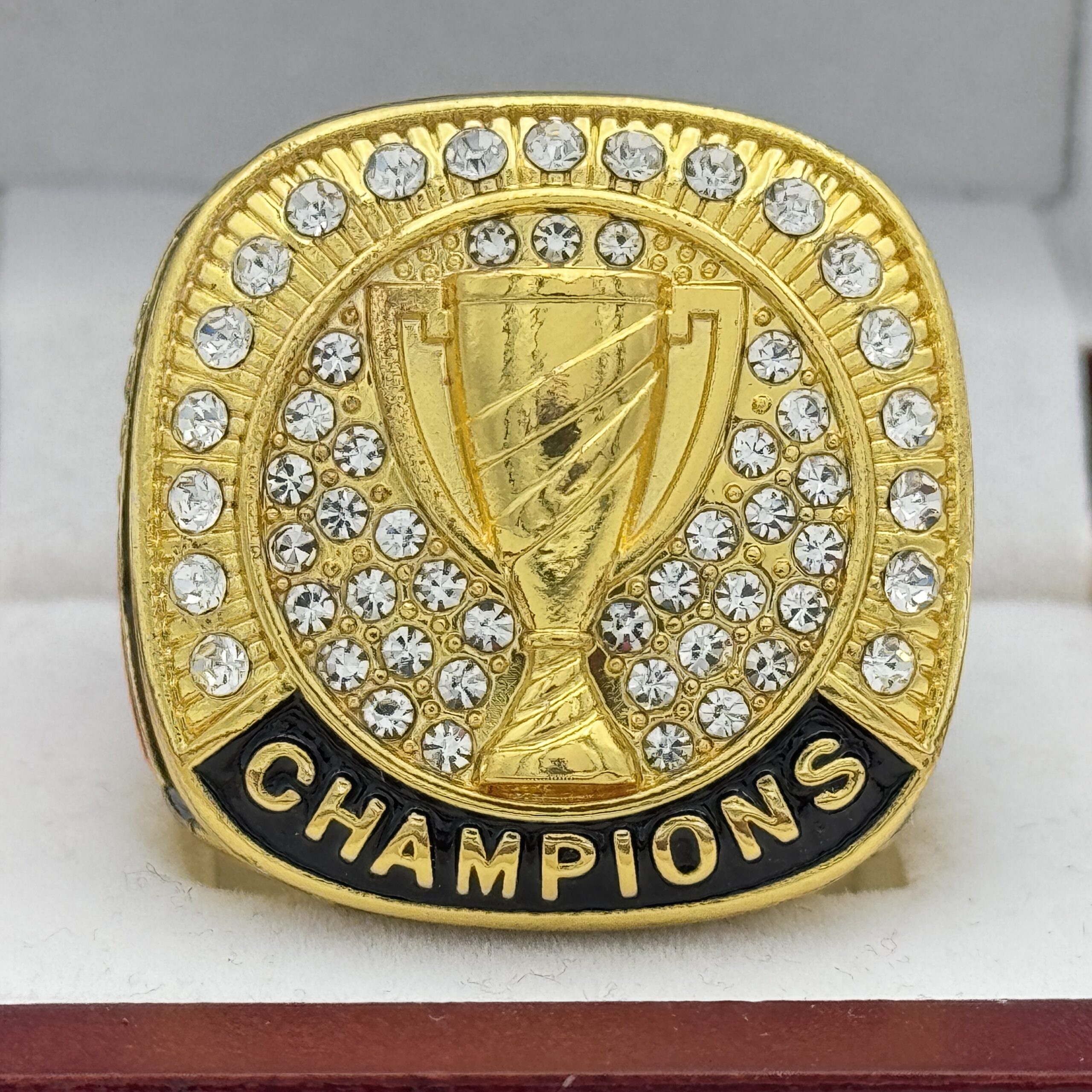
Choosing the right wrestling awards is an important part of planning a tournament that athletes, coaches, and families will remember. Awards represent more than a competitor’s final placement. They recognize preparation, discipline, resilience, and the courage required to step onto the mat. Tournament organizers often compare championship rings and medals when deciding how to recognize wrestlers. Both options can add value to an event, but they create different experiences for recipients. By considering the tournament level, award categories, budget, presentation, and long-term significance, we can select an award format that fits the competition and honors each athlete appropriately.
Why Wrestling Tournament Awards Matter
Wrestling demands a combination of physical strength, technical ability, conditioning, patience, and mental toughness. Athletes may spend months practicing takedowns, escapes, reversals, pins, and defensive techniques before competing in a tournament. Each match requires focus, strategy, and the ability to respond quickly under pressure. An award gives athletes a tangible reminder of the effort they invested throughout the season.
Tournament awards also help establish the identity of an event. When athletes receive meaningful recognition, they are more likely to remember the tournament and feel proud of their participation. Coaches and parents may also view a well-organized awards ceremony as a sign that tournament directors value the competitors.
Awards can serve several important purposes:
• Recognizing champions and top finishers
• Celebrating dedication and sportsmanship
• Motivating athletes to continue improving
• Creating lasting memories for competitors
• Strengthening the reputation of the tournament
• Giving families a keepsake connected to the event
The best award is not always the most expensive option. It is the one that matches the significance, structure, and goals of the tournament.
Understanding Wrestling Championship Rings
Championship rings are substantial keepsakes that can make winning a wrestling tournament feel especially meaningful. Rings are typically associated with major achievements, championship titles, and season-ending success. Their connection to championship traditions can make them an exciting choice for first-place wrestlers or team champions.
A ring is worn rather than simply stored or displayed. This allows an athlete to share the achievement at school, practice, team events, or community gatherings. Each time the wrestler wears the ring, it can bring back memories of important matches, difficult training sessions, and the moment the championship was secured.
Rings may be particularly effective for recognizing:
• Individual tournament champions
• Conference or regional winners
• State-level champions
• National tournament winners
• Dual-meet tournament champions
• Outstanding wrestler award recipients
• Season-ending team accomplishments
Because rings are strongly connected with championship status, tournament directors often reserve them for the highest level of recognition. This approach can help distinguish the champion’s award from the awards given to other top finishers.
Understanding Wrestling Medals
Medals are among the most familiar awards in individual sports. They are easy to present, simple to organize by placement, and appropriate for a wide range of tournament sizes. Gold, silver, and bronze medals also create an instantly recognizable system for first, second, and third place.
A medal can be worn during the awards ceremony and displayed later in a bedroom, office, trophy case, or team facility. Younger wrestlers may especially enjoy receiving a medal because the presentation creates a clear and celebratory moment. Medals can also help tournament directors recognize a larger number of athletes without making the award structure too complicated.
Medals are commonly used for:
• First, second, and third-place finishers
• Fourth through eighth-place finishers
• Youth and developmental tournaments
• School invitationals
• Open tournaments with multiple divisions
• Participation recognition
• Sportsmanship or character awards
For tournaments with many weight classes and age groups, medals provide a practical way to recognize athletes consistently across every division.
Rings vs. Medals: The Main Differences
The choice between rings and medals often comes down to the type of experience organizers want to create. Rings tend to feel exclusive and championship-focused, while medals are flexible and familiar. Neither option is automatically better for every event.
Perceived Significance
Championship rings often communicate that an athlete reached the highest level of the tournament. They can feel similar to awards given to professional, collegiate, and high school championship teams. That association may increase the emotional impact for the winner.
Medals also carry strong meaning, especially when they clearly indicate placement. A gold medal immediately tells athletes and spectators that the recipient finished first. Silver and bronze medals make it easy to recognize additional top performers.
Wearability
Both rings and medals can be worn, but they are used differently. A medal is normally worn around the neck during the awards ceremony and then displayed afterward. A ring can be worn repeatedly long after the tournament ends.
Athletes who enjoy showing their achievements may appreciate the ongoing wearability of a championship ring. Athletes who collect awards from many competitions may prefer adding another medal to a display.
Award Hierarchy
Rings can create a strong distinction between champions and other competitors. If first-place wrestlers receive rings while second and third-place wrestlers receive medals, the awards naturally reflect the tournament hierarchy.
Medals are well-suited to events that want consistent recognition across several placements. Organizers can use different medal finishes, sizes, or ribbons to distinguish champions from runners-up.
Storage and Display
Medals can be hung from hooks, placed in shadow boxes, or displayed on dedicated racks. Wrestlers who compete frequently may build an impressive medal collection over several seasons.
Rings can be stored in presentation boxes, placed in display cases, or worn for special occasions. Since a ring is compact, it does not require much display space, although it should be kept in a secure location when not being worn.
When Championship Rings May Be the Right Choice
Championship rings may be the best option when tournament organizers want the top award to feel distinctive. They are especially suitable for major competitions where winning represents the completion of a long and demanding journey.
A ring may be appropriate when:
• The event is a season-ending championship
• Only division winners will receive the primary award
• The tournament has a strong championship identity
• Organizers want a wearable long-term keepsake
• The award should stand apart from regular-season medals
• The event recognizes individual and team champions
• The tournament wants to create a premium awards ceremony
Rings can also help make an annual tournament more recognizable. When former winners wear their championship rings, they may encourage new athletes to compete for the same achievement. This can build tradition and increase anticipation from one season to the next.
When Medals May Be the Right Choice
Medals are often the most practical choice for tournaments with many participants, divisions, and placement categories. A large youth wrestling event may include several age brackets and dozens of weight classes. Providing medals allows organizers to recognize numerous athletes while maintaining a clear and consistent award system.
Medals may be appropriate when:
• Several placements are being recognized
• The tournament includes many weight classes
• The event is designed for youth or developing wrestlers
• Organizers need an easy distribution process
• Participation recognition is part of the event
• The competition is held regularly throughout the season
• Athletes are expected to build a collection over time
Medals may also be a good fit for tournaments focused on experience and development rather than championship exclusivity. For a first-year wrestler, receiving a medal can create confidence and reinforce the value of continued practice.
Using Rings and Medals Together
Tournament directors do not necessarily have to choose only one award type. Rings and medals can be used together to create a clear recognition system. This approach allows the tournament to emphasize the champion while still celebrating other high-performing wrestlers.
For example, a tournament might present:
• Championship rings to first-place finishers
• Silver medals to second-place finishers
• Bronze medals to third-place finishers
• Medals to fourth through sixth-place finishers
• A special ring for the outstanding wrestler
• Team rings for the overall tournament champion
• Sportsmanship medals for selected athletes
A combined structure can make the awards ceremony more dynamic. It also ensures that the championship award remains distinctive without excluding other deserving competitors from recognition.
Before selecting a mixed system, organizers should communicate the award structure clearly. Coaches, athletes, and families should know which placements receive rings, medals, or other forms of recognition before the tournament begins.
Consider the Tournament Level
The competitive level of the event should influence the award decision. A beginner tournament has different goals than a state championship. Awards should reflect those differences.
Youth development tournaments often prioritize participation, confidence, and skill-building. Medals can support these goals because they allow organizers to recognize multiple placements or every participant. The award ceremony can help young wrestlers associate competition with positive experiences.
Middle school and high school invitationals may use medals for top finishers and reserve rings for special championships. Regional and state-level events may benefit from rings because the achievement carries greater significance.
National competitions may also use championship rings to reinforce the prestige of winning. At higher levels, athletes have often invested years in training and traveled long distances to compete. A lasting ring can appropriately represent the scale of that accomplishment.
Plan Around the Number of Divisions
Wrestling tournaments can include many award categories. Organizers may separate athletes by age, experience level, gender, and weight class. Before choosing between rings and medals, we should calculate the total number of awards required.
The planning process should account for:
• Number of age divisions
• Number of weight classes
• Number of recognized placements
• Boys’, girls’, and coed divisions
• Individual and team awards
• Sportsmanship or outstanding wrestler honors
• Possible bracket changes before the event
A tournament with 30 weight classes and four recognized placements may need 120 individual awards. Medals may provide the simplest solution for an event of this size. A smaller championship with only a limited number of winners may be well-suited to rings.
Organizers should also order enough awards to accommodate last-minute bracket adjustments. Having a few additional awards available can prevent problems if a division is added or an award is damaged.
Budgeting for Wrestling Awards
Awards should be included in the tournament budget from the beginning. Waiting until registration closes can create unnecessary pressure and limit the available choices. Organizers should estimate the number of competitors, divisions, placements, and special awards early in the planning process.
The award budget may include:
• Rings or medals
• Presentation boxes or packaging
• Display materials for the ceremony
• Shipping and delivery expenses
• Additional awards for unexpected divisions
• Team awards
• Outstanding wrestler recognition
A tournament can also use entry fees, sponsorships, concessions, merchandise sales, or community support to help fund awards. When sponsors contribute to the tournament, organizers may recognize them in the event program, on signage, or during the awards ceremony.
The goal is to balance financial responsibility with meaningful recognition. A thoughtful award presentation can make even a straightforward medal feel important, while a championship ring can deliver strong value when reserved for a significant achievement.
Creating a Memorable Awards Ceremony
The way an award is presented can influence how athletes remember it. Tournament organizers should plan the ceremony with the same attention given to brackets, officials, mats, and scheduling.
A strong awards ceremony may include:
• A clearly designated presentation area
• An elevated podium for top finishers
• An announcer who states each athlete’s name
• Time for photographs
• Recognition of coaches and volunteers
• A brief description of special awards
• Organized award distribution by division
Athletes should receive their awards promptly whenever possible. Long delays after the final match can reduce excitement and create scheduling problems for families. Assigning volunteers to sort awards in advance can help the ceremony run smoothly.
For championship ring presentations, organizers may choose to announce each winner individually and allow time for photos. Medal ceremonies may group athletes by weight class and place them on a podium. Both formats can feel meaningful when the presentation is organized and respectful.
How Awards Support Tournament Branding
Awards can reinforce the identity and reputation of a wrestling tournament. Athletes may participate in many events during a season, but distinctive recognition can help one tournament stand out.
A championship ring may become a visible reminder of the event each time it is worn. Medals can also strengthen event recognition when wrestlers display them alongside other achievements. Over time, consistent awards can become part of the tournament’s tradition.
Organizers should consider how they want athletes to describe the event afterward. A tournament known for an exciting atmosphere, efficient scheduling, strong competition, and meaningful awards is more likely to attract returning teams. Coaches may also recommend the event to other programs when they believe their wrestlers were treated professionally.
Questions to Ask Before Making a Decision
Before purchasing wrestling awards, we recommend reviewing the tournament’s primary goals. A few practical questions can make the decision easier:
• How many athletes and divisions will compete?
• How many placements will receive awards?
• Is this a developmental event or a major championship?
• Should the champion’s award differ from other placements?
• Will team champions receive separate recognition?
• What award format fits the available budget?
• How will the awards be presented and displayed?
• When must the awards arrive before the tournament?
Answering these questions can help organizers determine whether rings, medals, or a combination of both will provide the best experience.
Frequently Asked Questions
Are rings better than medals for wrestling tournaments?
Rings are ideal for creating an exclusive championship award, while medals are practical for recognizing several placements. The better choice depends on the tournament level, number of divisions, and recognition goals.
Should every wrestler receive an award?
Participation awards may be appropriate for beginner and youth events. More competitive tournaments often limit awards to top finishers, champions, or special recognition categories.
Can first-place wrestlers receive rings while other finishers receive medals?
Yes. This is an effective way to distinguish champions while still recognizing second, third, and additional placement finishers.
What placements usually receive wrestling medals?
Many tournaments award medals to the top three, four, six, or eight wrestlers in each weight class. The number depends on bracket size and event structure.
Are championship rings suitable for youth wrestlers?
Yes. Rings can be exciting for youth champions, especially at league finals, regional tournaments, or season-ending events. Organizers should select appropriate sizes and distribute them carefully.
How early should wrestling awards be ordered?
Awards should be ordered well before the tournament date. Early planning provides time to confirm quantities, organize divisions, account for delivery, and address unexpected changes.
Should team champions receive separate awards?
Team awards can recognize the combined performance of wrestlers, coaches, and the entire program. Rings can be a strong option for team champions, while individual medals can recognize placement within each weight class.
How can tournament organizers make medals feel more meaningful?
A professional ceremony, podium presentation, athlete announcement, and photo opportunity can increase the significance of any medal. Clear placement markings also help athletes remember what they achieved.
Choose Awards That Match the Achievement
The right award should reflect the competition, the athlete’s accomplishment, and the tournament’s long-term goals. Medals offer flexibility, familiar placement recognition, and an efficient solution for events with numerous divisions. Championship rings create a distinctive, wearable reminder that can elevate the experience of winning a major tournament.
Many organizers may find that a combined approach provides the strongest balance. Rings can recognize champions or outstanding wrestlers, while medals celebrate other top finishers. Whatever format is selected, thoughtful planning and a professional presentation will ensure that athletes feel respected for the effort they brought to the mat.
Find your perfect championship rings at Discount Sports Rings. Explore our collection of sports rings and choose from a variety of designs that can help recognize meaningful wrestling achievements. Shop now and prepare to celebrate your tournament champions with awards they will be proud to receive.