

- BASEBALL AWARDS
- 2026 AWARDS
- 5 STAR BASEBALL RINGS
- BASEBALL ALL-STAR AWARDS
- BASEBALL BALL RINGS
- BASEBALL BATTER RING
- BASEBALL BELTS
- BASEBALL BRACELETS
- CUSTOMIZABLE BASEBALL AWARDS
- DELUXE BASEBALL RINGS
- DIAMOND SERIES BASEBALL RINGS
- DISTRICT BASEBALL RINGS
- HOME PLATE BASEBALL RINGS
- HOME RUN DERBY RINGS
- BASEBALL TURNOVER CHAINS
- JUMBO BASEBALL RINGS
- BASEBALL LEAGUE RINGS
- BASEBALL MEDALS
- BASEBALL MVP AWARDS
- BASEBALL NECKLACES
- BASEBALL PARTICIPATION AWARDS
- BASEBALL PLACEMENT AWARDS
- PONY BASEBALL AWARDS
- SEASONAL
- BASEBALL SLUGGER RING
- BASEBALL SPINNER RINGS
- BASEBALL STATE RINGS
- SQUARE BASEBALL RINGS
- BASEBALL TEAM AWARDS
- T-BALL
- TEXAS RINGS
- BASEBALL WORLD SERIES RINGS
- BASKETBALL AWARDS
- CHEER AWARDS
- FOOTBALL AWARDS
- 5 STAR FOOTBALL RINGS
- FOOTBALL RINGS
- 2026 AWARDS
- CUSTOMIZABLE FOOTBALL AWARDS
- FANTASY FOOTBALL AWARDS
- FOOTBALL ALL-STAR AWARDS
- FLAG FOOTBALL AWARDS
- FOOTBALL BELTS
- FOOTBALL MEDALS
- FOOTBALL MVP AWARDS
- FOOTBALL NECKLACES
- FOOTBALL PARTICIPATION AWARDS
- FOOTBALL PLACEMENT AWARDS
- SEASONAL
- FOOTBALL TURNOVER CHAINS
- SOCCER AWARDS
- SOFTBALL AWARDS
- 2026 AWARDS
- 5 STAR SOFTBALL RINGS
- SOFTBALL ALL STAR RINGS
- CUSTOMIZABLE SOFTBALL AWARDS
- SOFTBALL RINGS
- SOFTBALL BATTER RINGS
- SOFTBALL BELTS
- SOFTBALL BRACELETS
- BIG BANG SOFTBALL RINGS
- DELUXE SOFTBALL RINGS
- DIAMOND SERIES SOFTBALL RINGS
- DISTRICT SOFTBALL RINGS
- HOME PLATE SOFTBALL AWARDS
- SOFTBALL HOME RUN DERBY
- JUMBO SOFTBALL RINGS
- SOFTBALL LEAGUE RINGS
- MEDALS
- MVP
- NECKLACES
- SOFTBALL PARTICIPATION AWARDS
- SOFTBALL PLACEMENT AWARDS
- PONY SOFTBALL RINGS
- SEASONAL
- SLUGGER RING
- SOFTBALL SPINNER RINGS
- SQUARE SOFTBALL RINGS
- SOFTBALL TEAM AWARDS
- T-BALL
- TEXAS RINGS
- SOFTBALL TURNOVER CHAINS
- FASA SOFTBALL AWARDS
- SOFTBALL WORLD SERIES RINGS
- USA SOFTBALL AWARDS
- USFA
- VOLLEYBALL AWARDS
- OTHER SPORTS
Youth Basketball Awards: How Coaches Can Make Every Player Feel Special

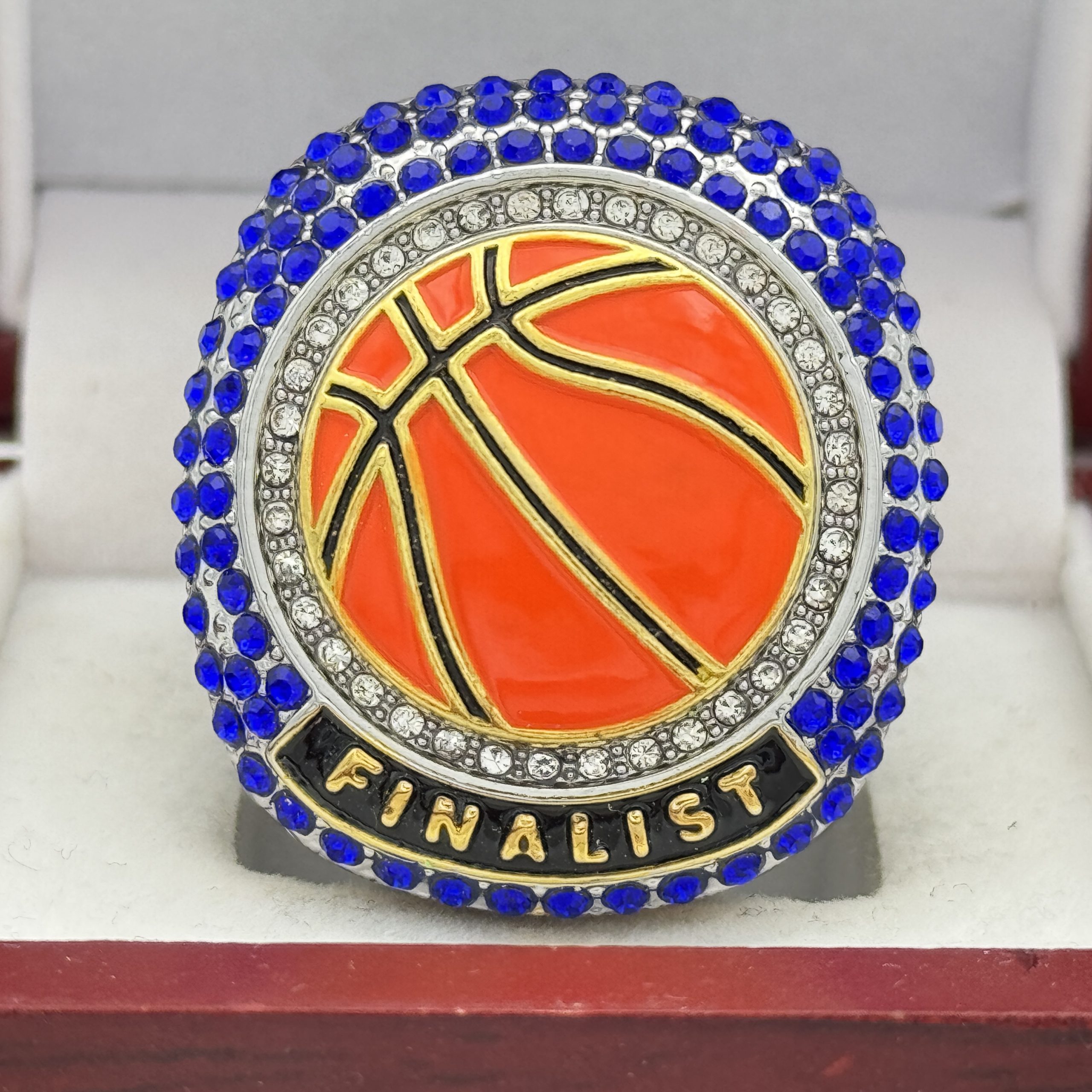
A youth basketball season is about much more than the final score. It is an opportunity for young athletes to develop confidence, improve their skills, build friendships, and learn how to work toward shared goals. Thoughtfully selected youth basketball awards help us recognize these achievements while showing every player that their effort mattered. When coaches celebrate both performance and personal growth, they create a positive experience that players may remember long after the season ends.
Why Recognition Matters in Youth Basketball
Young athletes often look to their coaches for encouragement and approval. A few meaningful words at the end of the season can reinforce a player’s confidence, especially when those words focus on a specific contribution. Awards provide a structured way for us to recognize what each athlete brought to the team.
Recognition can also help players understand that basketball success is not limited to scoring the most points. Defense, passing, rebounding, communication, hustle, sportsmanship, and consistent attendance all affect how well a team performs. When we celebrate these qualities, players learn to appreciate the many roles that contribute to a successful season.
Youth basketball awards can support several important goals:
- Reinforcing positive behavior
- Encouraging continued participation
- Recognizing improvement
- Highlighting teamwork
- Building player confidence
- Creating lasting memories
- Showing appreciation for effort and commitment
An effective awards program should feel sincere rather than automatic. The goal is not simply to hand out prizes. We want each player to understand why their contribution was meaningful.
Recognize More Than Points and Wins
Basketball statistics can help identify standout performances, but they do not tell the entire story. The player who scores the most points may deserve recognition, yet so does the athlete who sets strong screens, encourages teammates, listens carefully, or arrives early to practice.
Coaches see contributions that may not appear on a scoreboard. One player may have overcome nervousness and become more willing to take shots. Another may have worked hard to improve footwork or ball control. A third may have helped new teammates feel welcome from the first practice.
By looking beyond wins and points, we can build a more inclusive approach to recognition. This does not mean avoiding performance-based awards. Instead, it means balancing them with awards that celebrate growth, character, effort, and teamwork.
Some valuable areas to recognize include:
- Defensive effort
- Passing and court awareness
- Rebounding
- Leadership
- Positive attitude
- Practice attendance
- Skill development
- Sportsmanship
- Communication
- Reliability
- Courage
- Team spirit
A varied recognition program helps every athlete see that there are many ways to succeed in basketball.
Choose Awards That Reflect the Season
The best awards feel connected to what actually happened during the season. Before selecting award categories, we should think about the team’s age group, goals, challenges, and memorable moments. A beginner team may benefit from awards focused on participation and improvement, while a more experienced team may include recognition for leadership, defense, or competitive performance.
Coaches can review practice notes, game statistics, and observations from throughout the season. Assistant coaches may also provide helpful input because they sometimes notice details the head coach misses. Gathering multiple perspectives can make award decisions more balanced and thoughtful.
We should avoid selecting categories at the last minute. When coaches wait until the day before the ceremony, the recognition can feel generic. Planning ahead gives us time to match each player with an award that accurately reflects the season.
It can also be helpful to write one or two sentences explaining each selection. These notes can be shared during the ceremony, included on a certificate, or mentioned privately to the player and family.
Award Ideas for Individual Achievement
Individual awards can recognize specific basketball abilities while reinforcing the value of hard work. These categories are especially appropriate when coaches can support the selection with clear examples from practices or games.
Most Valuable Player
The Most Valuable Player award typically recognizes the athlete who had the greatest overall impact on the team. This player may contribute through scoring, defense, leadership, passing, or a combination of skills. Coaches should avoid treating MVP as another name for the leading scorer. Value can appear in many forms.
Defensive Player Award
A strong defensive player can change a game without scoring a single point. This award may recognize an athlete who consistently guards with focus, contests shots, creates turnovers, communicates on defense, or helps teammates maintain proper positioning.
Offensive Player Award
The Offensive Player award may honor a player who demonstrated strong scoring ability, smart shot selection, effective ball handling, or excellent passing. Coaches can emphasize efficiency and decision-making rather than focusing only on total points.
Rebounding Award
Rebounding requires timing, positioning, effort, and courage. An award for rebounding can recognize a player who consistently pursued the ball and helped the team gain or maintain possession.
Playmaker Award
The Playmaker award is ideal for a player who sees the court well and creates opportunities for teammates. This athlete may deliver accurate passes, control the pace of the game, and make smart decisions under pressure.
Sharpshooter Award
A Sharpshooter award can recognize consistent shooting performance. Depending on the team’s age, it may focus on field goals, free throws, three-point shooting, or improved shooting technique.
Celebrate Effort and Improvement
Performance-based awards are important, but improvement awards can be especially meaningful in youth sports. Young players develop at different rates. Some begin the season with years of experience, while others may be learning the rules for the first time.
A Most Improved Player award recognizes progress rather than starting ability. Coaches should consider improvements in technique, confidence, decision-making, fitness, attitude, or understanding of the game. The award becomes more meaningful when we explain exactly how the player developed.
Additional awards related to effort and growth may include:
- Hardest Worker
- Practice Champion
- Hustle Award
- Never Give Up Award
- Skill Development Award
- Confidence Builder Award
- Breakthrough Player
- Determination Award
- Coachability Award
- Consistency Award
These youth basketball awards remind players that improvement comes from patience and continued effort. They also encourage athletes to focus on their own progress instead of constantly comparing themselves with teammates.
Highlight Character and Sportsmanship
Youth basketball gives coaches an opportunity to teach values that extend beyond the court. Awards for character and sportsmanship demonstrate that respectful behavior matters just as much as athletic ability.
A Sportsmanship Award may recognize a player who treats teammates, opponents, coaches, and officials with respect. This athlete might help an opponent up after a fall, remain composed after a difficult call, or congratulate another team after a loss.
A Leadership Award can honor a player who guides others through actions and communication. Leadership does not always come from the loudest or most talented player. A quiet athlete who consistently sets a positive example may be one of the team’s strongest leaders.
Other character-based award ideas include:
- Positive Attitude Award
- Best Teammate Award
- Encouragement Award
- Respect Award
- Team Spirit Award
- Responsibility Award
- Courage Award
- Good Listener Award
- Community Builder Award
- Role Model Award
Recognizing these traits helps create a team culture in which kindness, responsibility, and cooperation are expected.
Make Recognition Appropriate for Every Age Group
The way we present youth basketball awards should match the players’ ages and maturity levels. Younger athletes often respond well to simple, positive categories that are easy to understand. Older players may appreciate more detailed recognition tied to specific skills, leadership qualities, or season achievements.
For early elementary teams, coaches can focus on enthusiasm, listening, sharing the ball, and learning basic fundamentals. Awards should be upbeat and straightforward. Young athletes may value the ceremony itself as much as the specific category.
For middle school athletes, coaches can include more competitive awards while continuing to recognize improvement and character. Players at this age are often highly aware of how they compare with teammates, so thoughtful explanations are essential.
Teen athletes may appreciate recognition that reflects advanced skills and responsibilities. Awards for leadership, discipline, basketball intelligence, defense, and consistency can feel especially meaningful. Regardless of age, every award should be respectful and based on a genuine observation.
Avoid Awards That Could Embarrass Players
Humorous awards can be entertaining among adults, but coaches must use caution with young athletes. A category that seems harmless to one person may embarrass a player or make the athlete feel singled out. Awards based on mistakes, physical characteristics, playing time, or personality differences should be avoided.
Examples of potentially discouraging categories include awards for missing shots, committing fouls, being late, falling down, sitting on the bench, or talking too much. Even when intended as jokes, these labels can undermine confidence.
Positive awards can still be creative without targeting weaknesses. Instead of joking about a player’s nervousness, we can recognize courage or perseverance. Rather than mentioning a player’s limited scoring, we can celebrate defense, effort, encouragement, or practice improvement.
A useful question for coaches is whether the player would feel proud hearing the award announced in front of teammates and family members. When the answer is uncertain, we should choose a more respectful category.
Personalize the Presentation With Specific Praise
The award itself is only part of the recognition experience. The words a coach shares during the presentation often carry the greatest meaning. Instead of simply announcing a player’s name and category, we can explain what the athlete did to earn the honor.
For example, a coach might mention that a player stayed after practice to improve free throws, encouraged teammates after difficult losses, or became more confident handling the ball. Specific praise shows that the coach paid attention throughout the season.
A strong presentation can include:
- The player’s name
- The award category
- A specific example from the season
- A positive quality the player demonstrated
- A brief statement about the player’s growth
- Encouragement for the future
These details make youth basketball awards feel personal without requiring anything custom-made. They also help families understand the role their child played on the team.
Use Championship Rings for Major Team Achievements
Championship rings are a memorable way to celebrate a league title, tournament victory, playoff run, or other major team achievement. Unlike awards that recognize individual categories, rings can provide a shared symbol of what the entire group accomplished together.
A championship season depends on every player. Starters, substitutes, practice players, and supportive teammates all contribute to the team’s progress. Presenting rings to the full roster reinforces the idea that the achievement belongs to everyone.
Coaches should plan ring presentations carefully. A banquet, team party, school assembly, or final gathering can provide an appropriate setting. During the presentation, we can reflect on key moments from the season and thank the athletes for their commitment.
Championship rings may also help preserve memories of:
- A league championship
- A tournament title
- An undefeated season
- A regional victory
- A school championship
- A recreational league achievement
- A memorable final season
- A major team milestone
The value of the ring comes from the story it represents. Years later, players may look at it and remember their teammates, coaches, practices, and important games.
Plan an Inclusive Awards Ceremony
An awards ceremony should feel organized, positive, and welcoming. It does not need to be elaborate, but it should give each player a meaningful moment of recognition. Coaches can hold the ceremony after the final game, during a team banquet, or at a separate end-of-season gathering.
We should make sure every player’s name is pronounced correctly, and every award is prepared in advance. Keeping a written presentation order can prevent missed names or awkward pauses. Coaches may also want to invite assistant coaches, team volunteers, or league organizers to participate.
A simple ceremony structure may include:
- Welcome and season overview
- Thank-you message for families and volunteers
- Team achievement recognition
- Individual award presentations
- Championship ring presentation, when applicable
- Final message from the coach
- Team photos and informal celebration
The ceremony should move at a comfortable pace. Each player deserves attention, but lengthy speeches can become difficult for younger athletes. Brief, specific remarks usually create the strongest impact.
Include Players Who Had Limited Playing Time
Players with limited game minutes still contribute to a team’s season. They participate in practices, support teammates, learn systems, and help create the environment in which everyone develops. Coaches should make sure these athletes are not overlooked during award planning.
We can recognize a substitute player’s readiness, enthusiasm, practice effort, or improvement. A player who rarely entered games may have shown exceptional commitment by attending every practice and continuing to work hard. Another may have been one of the most encouraging voices on the bench.
Recognition should never feel like a consolation prize. The coach’s explanation must make it clear that the player’s contribution was noticed and appreciated. Honest, specific praise prevents the award from sounding generic.
Inclusive recognition also sends an important message to the entire team. It shows that every role matters and that coaches value commitment even when opportunities on the court are limited.
Involve Assistant Coaches and Families
Head coaches do not have to plan youth basketball awards alone. Assistant coaches can contribute observations and help identify achievements that occurred during drills, warmups, or games. Their input can lead to a more complete view of each player.
Families can also support the awards event by helping with scheduling, refreshments, decorations, photography, or communication. However, final award decisions should generally remain with the coaching staff to reduce popularity contests and unnecessary pressure.
Coaches may choose to invite families to submit positive memories from the season. These comments can help highlight moments of kindness, teamwork, or growth. The information should serve as additional insight rather than determine the winners.
When adults work together, the ceremony can become a positive community event that celebrates the players without losing focus on their development.
Keep the Focus on Encouragement
Awards should provide a satisfying end to the season while encouraging players to continue learning. A coach’s final message can remind athletes that their current skill level does not define their future potential.
We can encourage players to practice fundamentals, participate in another season, attend open gyms, or try new positions. We can also remind them that basketball development includes mistakes, setbacks, and gradual improvement.
The strongest youth basketball awards create motivation without creating unhealthy pressure. They celebrate what happened during the season while helping players believe that more growth is possible.
When every athlete leaves the ceremony feeling noticed, respected, and encouraged, the awards program has achieved its purpose.
Frequently Asked Questions
Should every youth basketball player receive an award?
Every player should receive meaningful recognition. Coaches may combine team awards, participation recognition, and individual categories to ensure that all contributions are acknowledged.
What are the best awards for younger basketball players?
Positive categories such as Best Teammate, Hustle Award, Most Improved Player, Good Listener, and Team Spirit Award work well for younger athletes.
Should the highest scorer automatically receive the MVP award?
Not necessarily. MVP should reflect overall value to the team, including leadership, defense, passing, consistency, and performance.
How can coaches make awards feel personal?
Coaches can share a specific example of the player’s effort, growth, sportsmanship, or contribution when presenting the award.
Are funny basketball awards appropriate for children?
Humor should be used carefully. Coaches should avoid awards that could embarrass players or draw attention to mistakes, physical traits, or limited playing time.
When should youth basketball awards be presented?
Awards are commonly presented after the final game, at a team banquet, during a league celebration, or at an end-of-season gathering.
Are championship rings appropriate for youth teams?
Yes. Championship rings can commemorate league titles, tournament wins, undefeated seasons, and other significant team achievements.
How many individual award categories should a team have?
The appropriate number depends on the roster size and age group. Coaches should focus on meaningful categories rather than creating awards simply to increase the total.
Can two players receive the same award?
Yes. When multiple athletes genuinely demonstrate the same quality, coaches may recognize both rather than forcing an unnecessary distinction.
What should a coach say during an award presentation?
A coach should announce the category, explain why the player earned it, mention a specific example, and offer positive encouragement for the future.
Celebrate the Season With Discount Sports Rings
Every youth basketball season includes moments worth remembering, from the first practice to the final buzzer. Thoughtful recognition helps players understand that their effort, teamwork, improvement, and character made a difference. When a team earns a championship, a ring can provide a lasting reminder of the commitment and cooperation behind that achievement.
Find your perfect championship rings with Discount Sports Rings. Explore our collection of sports rings and choose from a variety of designs. Shop now.