

- BASEBALL AWARDS
- 2026 AWARDS
- 5 STAR BASEBALL RINGS
- BASEBALL ALL-STAR AWARDS
- BASEBALL BALL RINGS
- BASEBALL BATTER RING
- BASEBALL BELTS
- BASEBALL BRACELETS
- CUSTOMIZABLE BASEBALL AWARDS
- DELUXE BASEBALL RINGS
- DIAMOND SERIES BASEBALL RINGS
- DISTRICT BASEBALL RINGS
- HOME PLATE BASEBALL RINGS
- HOME RUN DERBY RINGS
- BASEBALL TURNOVER CHAINS
- JUMBO BASEBALL RINGS
- BASEBALL LEAGUE RINGS
- BASEBALL MEDALS
- BASEBALL MVP AWARDS
- BASEBALL NECKLACES
- BASEBALL PARTICIPATION AWARDS
- BASEBALL PLACEMENT AWARDS
- PONY BASEBALL AWARDS
- SEASONAL
- BASEBALL SLUGGER RING
- BASEBALL SPINNER RINGS
- BASEBALL STATE RINGS
- SQUARE BASEBALL RINGS
- BASEBALL TEAM AWARDS
- T-BALL
- TEXAS RINGS
- BASEBALL WORLD SERIES RINGS
- BASKETBALL AWARDS
- CHEER AWARDS
- FOOTBALL AWARDS
- 5 STAR FOOTBALL RINGS
- FOOTBALL RINGS
- 2026 AWARDS
- CUSTOMIZABLE FOOTBALL AWARDS
- FANTASY FOOTBALL AWARDS
- FOOTBALL ALL-STAR AWARDS
- FLAG FOOTBALL AWARDS
- FOOTBALL BELTS
- FOOTBALL MEDALS
- FOOTBALL MVP AWARDS
- FOOTBALL NECKLACES
- FOOTBALL PARTICIPATION AWARDS
- FOOTBALL PLACEMENT AWARDS
- SEASONAL
- FOOTBALL TURNOVER CHAINS
- SOCCER AWARDS
- SOFTBALL AWARDS
- 2026 AWARDS
- 5 STAR SOFTBALL RINGS
- SOFTBALL ALL STAR RINGS
- CUSTOMIZABLE SOFTBALL AWARDS
- SOFTBALL RINGS
- SOFTBALL BATTER RINGS
- SOFTBALL BELTS
- SOFTBALL BRACELETS
- BIG BANG SOFTBALL RINGS
- DELUXE SOFTBALL RINGS
- DIAMOND SERIES SOFTBALL RINGS
- DISTRICT SOFTBALL RINGS
- HOME PLATE SOFTBALL AWARDS
- SOFTBALL HOME RUN DERBY
- JUMBO SOFTBALL RINGS
- SOFTBALL LEAGUE RINGS
- MEDALS
- MVP
- NECKLACES
- SOFTBALL PARTICIPATION AWARDS
- SOFTBALL PLACEMENT AWARDS
- PONY SOFTBALL RINGS
- SEASONAL
- SLUGGER RING
- SOFTBALL SPINNER RINGS
- SQUARE SOFTBALL RINGS
- SOFTBALL TEAM AWARDS
- T-BALL
- TEXAS RINGS
- SOFTBALL TURNOVER CHAINS
- FASA SOFTBALL AWARDS
- SOFTBALL WORLD SERIES RINGS
- USA SOFTBALL AWARDS
- USFA
- VOLLEYBALL AWARDS
- OTHER SPORTS
MVP Award Ideas Beyond the Ring: Chains, Medals, and Necklaces

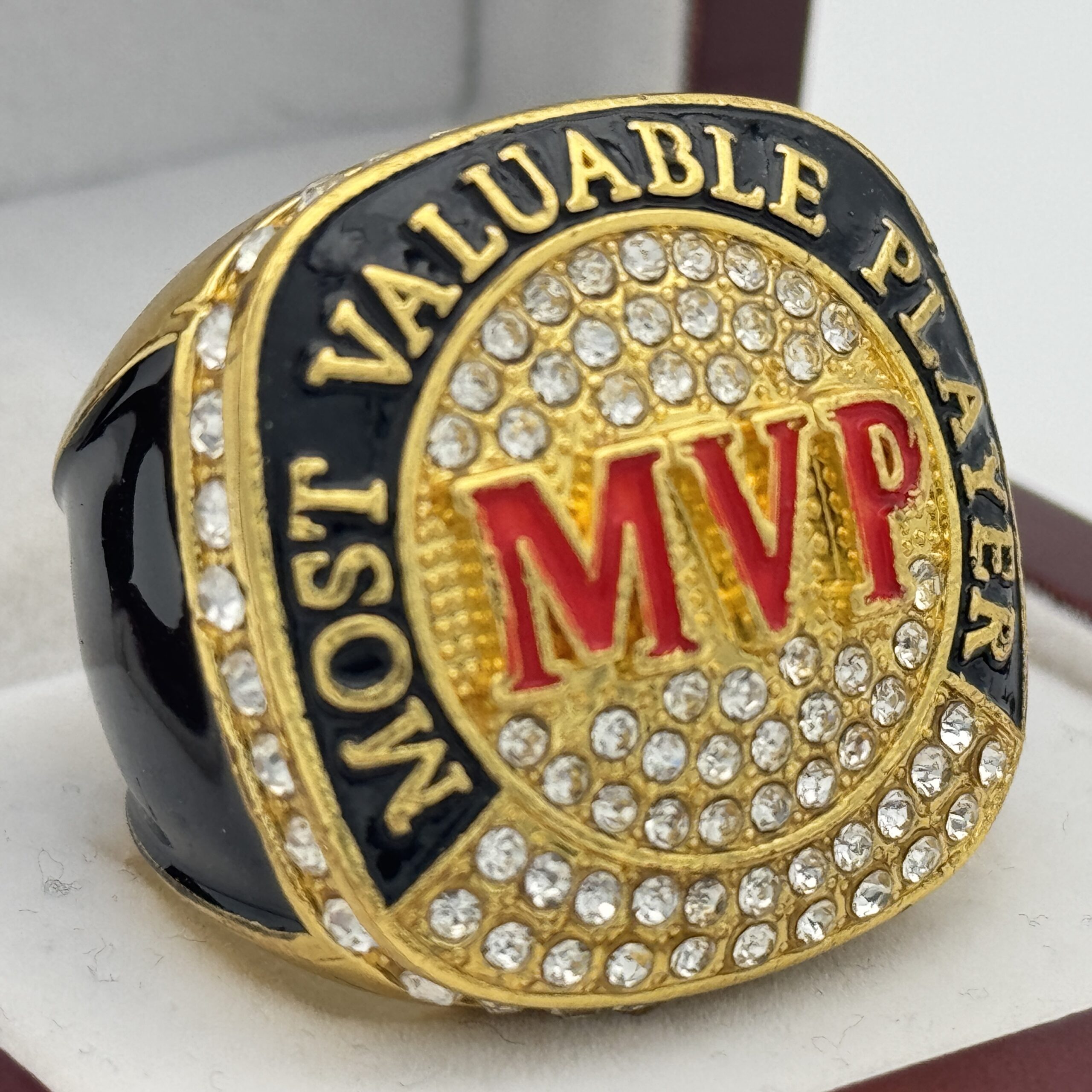
Choosing the right MVP Award is an important part of recognizing an athlete who made an exceptional impact on a team, tournament, or season. Championship rings remain a powerful symbol of achievement, but they are not the only awards that can make an MVP feel celebrated. Chains, medals, and necklaces provide distinctive alternatives that athletes can wear during ceremonies, team events, photos, and celebrations. Each option offers a different look, level of formality, and presentation experience. When we understand the strengths of each award style, we can select recognition that matches the sport, age group, budget, and significance of the accomplishment.
Why MVP Recognition Matters
Most Valuable Player awards acknowledge more than statistics. They can recognize leadership, consistency, effort, sportsmanship, and the ability to perform in critical moments. An MVP may be the athlete who scored the most points, but the award could also go to a defensive leader, dependable teammate, or player who elevated everyone around them.
Meaningful recognition can reinforce the behaviors coaches and organizers want athletes to continue demonstrating. When players see effort and teamwork celebrated, they understand that success involves more than individual numbers. A well-presented MVP award can also become a lasting reminder of the athlete’s contribution.
Strong MVP recognition can:
- Celebrate exceptional athletic performance
- Reinforce leadership and sportsmanship
- Motivate players to continue improving
- Create memorable moments during award ceremonies
- Strengthen team and league traditions
- Give athletes a keepsake connected to an important achievement
The award itself should feel appropriate for the accomplishment. A casual participation item may not communicate the same level of prestige as a substantial chain, polished medal, necklace, or championship ring.
MVP Chains Make a Bold Statement
MVP chains have become increasingly visible across youth sports, school programs, tournaments, and team celebrations. Their oversized appearance creates an immediate visual impact, making them especially effective for on-field or on-court presentations. When an athlete puts on a large MVP chain, teammates, spectators, and cameras can instantly recognize the significance of the moment.
Chains work particularly well for high-energy sports and informal award traditions. Football teams may present a chain after a major defensive play, while basketball teams might use one to celebrate the standout performer of a game. Baseball, softball, soccer, wrestling, and volleyball programs can also incorporate chains into postgame recognition.
One advantage of an MVP chain is its visibility. Unlike a smaller award that may be difficult to see in team photos, a large chain becomes part of the celebration. It can create an exciting visual centerpiece during trophy presentations, social media posts, and end-of-season banquets.
MVP chains are often a strong choice when organizers want:
- A highly visible award
- A modern presentation style
- An award that looks impressive in photographs
- A reusable team tradition
- Immediate recognition after a game or tournament
- A fun way to energize players and spectators
However, chains may feel less formal than rings or traditional medals. Organizers should consider whether the event calls for a bold celebratory item or a more classic keepsake.
Medals Offer Traditional Athletic Recognition
Medals have been associated with athletic achievement for generations. They are widely used at tournaments, races, championships, school competitions, and international sporting events. Their familiar appearance makes them easy to understand, and athletes immediately recognize a medal as a symbol of accomplishment.
An MVP medal can be presented individually or alongside team awards. For example, every player on a championship team might receive a medal, while one athlete receives a separate MVP medal. This approach distinguishes the individual honor without diminishing the team’s overall success.
Medals are also practical for events involving several divisions, age groups, or award categories. Organizers can present awards for offensive MVP, defensive MVP, tournament MVP, sportsmanship, and leadership while maintaining a consistent ceremony format.
Additional benefits of medals include:
- Easy distribution during large events
- Clear association with athletic achievement
- Suitability for athletes of nearly any age
- Convenient storage and display
- Comfortable wear during ceremonies
- Flexibility for multiple award categories
Medals can be displayed in shadow boxes, hung from hooks, or kept with other sports memorabilia. Although they may not have the same visual weight as a ring or large chain, they provide a timeless and recognizable form of recognition.
Necklaces Provide Wearable Everyday Recognition
Necklaces offer a more understated alternative to oversized MVP chains. They may include a pendant, emblem, or athletic symbol that represents the player’s accomplishment. Because they are often smaller and lighter than presentation chains, athletes may be more likely to wear them away from the field or court.
An MVP necklace can bridge the gap between formal recognition and everyday jewelry. It remains wearable while still serving as a reminder of a specific season, tournament, or performance. This can make necklaces appealing for older athletes who prefer subtle awards rather than large ceremonial items.
Necklaces can work well for:
- End-of-season team banquets
- School athletic awards
- Individual tournament honors
- Senior recognition events
- Leadership and sportsmanship awards
- Coach-selected MVP presentations
The style of the necklace should reflect the level of the event. A simple sports pendant may be suitable for a youth league, while a more substantial necklace may better fit a varsity program or competitive tournament.
Chains vs. Medals vs. Necklaces
The best award depends on the type of recognition experience organizers want to create. Each option communicates achievement differently.
Choose an MVP Chain for Maximum Visibility
Chains are ideal when the presentation itself is a major part of the celebration. They stand out in photographs, attract attention, and can become part of a team tradition. A chain may be worn by the MVP after each game and then passed to the next recipient.
Choose a Medal for Classic Recognition
Medals are appropriate for formal ceremonies, tournaments, and multi-category award programs. They are familiar, practical, and suitable for nearly every sport. They also make it easy to maintain consistency across several divisions or age groups.
Choose a Necklace for Versatile Wear
Necklaces are a strong option when athletes may want to wear the award regularly. They are generally less dramatic than oversized chains but can feel more personal and wearable. They fit well at team banquets, school ceremonies, and season-ending events.
Should an MVP Award Be Wearable?
Wearable awards offer several advantages. Athletes can put them on immediately during the presentation, allowing the recognition to become part of the celebration. Wearable awards also photograph well and make it easy for spectators to identify the recipient.
However, not every wearable award will be used in the same way. An oversized chain may be worn mainly during games, ceremonies, and team events. A medal may be displayed at home after the competition. A necklace may become part of the athlete’s regular wardrobe.
When selecting a wearable MVP award, we should consider:
- The athlete’s age
- The formality of the event
- How often the item may be worn
- The physical size and weight of the award
- Whether the award is meant for presentation or long-term display
- How the item will appear in photographs
- The traditions associated with the sport or organization
Comfort is especially important for youth athletes. Awards should be manageable during ceremonies and easy to remove after the presentation.
Matching the Award to the Sport
Different sports have different cultures and presentation traditions. An award that feels natural in football may not create the same impression at a wrestling tournament or golf event. Matching the award style to the sport can make the recognition feel more intentional.
Football
Football programs often favor bold awards. Large chains can fit the energy of the sport and are effective for celebrating game MVPs, defensive takeaways, or outstanding effort. Medals and necklaces may be better suited for season-ending banquets.
Basketball
Basketball awards often benefit from strong visual appeal. Chains look impressive during postgame celebrations and tournament photos. Necklaces can also fit the style of the sport, particularly for individual awards presented at a banquet.
Baseball and Softball
Medals remain popular for baseball and softball tournaments because they can be distributed efficiently across several teams and divisions. An MVP necklace or chain can distinguish the tournament’s top performer from other award recipients.
Wrestling
Wrestling is an individual sport that also values team performance. Medals are especially familiar at wrestling tournaments, while chains and necklaces can provide a distinctive alternative for an outstanding wrestler, team leader, or tournament MVP.
Soccer
Soccer leagues frequently use medals for championship and participation recognition. A separate necklace or chain can help the MVP award feel more prominent than the standard team awards.
Volleyball
Volleyball programs can use medals for tournament recognition and necklaces for individual season awards. A bold chain may also work for programs that want to create an energetic post-match tradition.
Game MVP Awards vs. Season MVP Awards
The frequency of the award should influence what type of item is selected. A game MVP award may be presented many times during a season, while a season MVP award is usually given once.
For recurring game recognition, a team may use a single chain that is passed from one player to another. This creates an ongoing tradition without requiring a separate item after every game. Coaches can announce the recipient in the locker room, on the field, or through team social media.
Season MVP awards usually call for a permanent keepsake. Medals, necklaces, and championship rings can all provide lasting recognition. The award should feel substantial enough to represent months of commitment and performance.
Tournament MVP awards fall somewhere between these two categories. The honor is tied to a specific event, but it may represent several games or matches. A medal works well within a traditional tournament ceremony, while a chain or necklace can help the top individual award stand apart.
Creating a Memorable MVP Presentation
Even an impressive award can lose impact if the presentation feels rushed. The ceremony should clearly communicate why the athlete earned the honor. Coaches and organizers should briefly explain the player’s contribution rather than simply announcing a name.
A strong MVP presentation may include:
- A short summary of the athlete’s performance
- Recognition of leadership or sportsmanship
- A presentation by the coach, captain, or event director
- Team applause or a group photo
- An announcement to spectators
- Photos of the athlete wearing the award
- A social media post recognizing the accomplishment
The presentation does not need to be long. A thoughtful statement and a well-planned photo can make the moment feel significant.
Considering Age and Competition Level
Young athletes often respond well to bold, exciting awards. A large chain can create a memorable moment and generate enthusiasm among teammates. Medals are also effective for youth leagues because they are easy to wear and immediately recognizable.
Middle school and high school athletes may prefer awards that feel more mature. Necklaces, substantial medals, and championship rings can provide a more elevated presentation. Older athletes may also place greater value on awards they can display or wear beyond the ceremony.
For adult recreational leagues, the tone of the event should guide the decision. A casual league may enjoy a humorous or oversized chain tradition, while a competitive tournament may favor formal medals or rings.
Coordinating MVP Awards With Team Awards
An MVP award should stand apart from general team recognition while still fitting the overall award program. If championship players receive medals, the MVP might receive a larger medal, necklace, or ring. If the team receives rings, a separate chain could be used during the presentation to highlight the MVP before all players receive their championship awards.
Organizers should avoid making the individual award so dominant that it overshadows the team’s achievement. The MVP should be recognized as an important contributor to collective success. Coaches can reinforce this message by emphasizing teamwork during the presentation.
A balanced award ceremony can recognize:
- Championship team members
- Tournament or season MVP
- Offensive and defensive standouts
- Leadership
- Sportsmanship
- Most improved player
- Academic achievement
- Coaching contributions
This approach celebrates multiple forms of excellence while preserving the prestige of the MVP honor.
Why Championship Rings Still Stand Out
Chains, medals, and necklaces each provide compelling ways to recognize athletes, but championship rings continue to carry unique significance. Rings are closely connected to major team victories and long-term achievement. They are compact, durable, and easy to display while still feeling substantial.
An MVP chain may create the biggest moment during a presentation, but a championship ring can remain meaningful for decades. Medals often represent a specific event, while rings can symbolize the entire journey through a season or tournament. Necklaces may be worn more frequently, but rings are widely associated with elite athletic success.
For important season awards, leagues may choose to combine recognition styles. A player might wear an MVP chain during the ceremony and receive a championship ring as a permanent keepsake. The right combination depends on the event’s budget, traditions, and goals.
Frequently Asked Questions
What is the best award for a game MVP?
A reusable MVP chain is a strong choice because it can be presented after each game and passed to a new recipient throughout the season.
Are medals appropriate for MVP awards?
Yes. Medals are traditional, recognizable, and suitable for tournaments, youth leagues, school sports, and formal award ceremonies.
What is the difference between an MVP chain and an MVP necklace?
An MVP chain is usually larger and designed for visibility during presentations. An MVP necklace is generally smaller, lighter, and more suitable for regular wear.
Can a team give both an MVP award and a championship ring?
Yes. The MVP award recognizes an individual contribution, while championship rings celebrate the team’s overall achievement.
Which MVP award looks best in photographs?
Large chains typically have the strongest visual impact, although medals, necklaces, and rings can also photograph well when presented thoughtfully.
Should youth athletes receive chains or medals?
Both can work. Chains create excitement and visibility, while medals offer a classic, lightweight option that is easy for young athletes to wear.
Can an MVP award recognize leadership instead of statistics?
Yes. MVP recognition may consider leadership, consistency, sportsmanship, effort, and positive influence in addition to athletic statistics.
When should an MVP award be presented?
Game MVP awards are often presented immediately after the competition. Tournament and season MVP awards are usually presented during closing ceremonies or team banquets.
Find the Right Recognition for Your Champions
Chains, medals, and necklaces can all create memorable MVP moments, but championship rings remain one of the most enduring symbols of athletic success. At Discount Sports Rings, we help teams, coaches, leagues, and tournament organizers celebrate accomplishments with rings designed to reflect the importance of the victory. Find your perfect championship rings. Explore our collection of sports rings and choose from a variety of designs. Shop now!