

- BASEBALL AWARDS
- 2026 AWARDS
- 5 STAR BASEBALL RINGS
- BASEBALL ALL-STAR AWARDS
- BASEBALL BALL RINGS
- BASEBALL BATTER RING
- BASEBALL BELTS
- BASEBALL BRACELETS
- CUSTOMIZABLE BASEBALL AWARDS
- DELUXE BASEBALL RINGS
- DIAMOND SERIES BASEBALL RINGS
- DISTRICT BASEBALL RINGS
- HOME PLATE BASEBALL RINGS
- HOME RUN DERBY RINGS
- BASEBALL TURNOVER CHAINS
- JUMBO BASEBALL RINGS
- BASEBALL LEAGUE RINGS
- BASEBALL MEDALS
- BASEBALL MVP AWARDS
- BASEBALL NECKLACES
- BASEBALL PARTICIPATION AWARDS
- BASEBALL PLACEMENT AWARDS
- PONY BASEBALL AWARDS
- SEASONAL
- BASEBALL SLUGGER RING
- BASEBALL SPINNER RINGS
- BASEBALL STATE RINGS
- SQUARE BASEBALL RINGS
- BASEBALL TEAM AWARDS
- T-BALL
- TEXAS RINGS
- BASEBALL WORLD SERIES RINGS
- BASKETBALL AWARDS
- CHEER AWARDS
- FOOTBALL AWARDS
- 5 STAR FOOTBALL RINGS
- FOOTBALL RINGS
- 2026 AWARDS
- CUSTOMIZABLE FOOTBALL AWARDS
- FANTASY FOOTBALL AWARDS
- FOOTBALL ALL-STAR AWARDS
- FLAG FOOTBALL AWARDS
- FOOTBALL BELTS
- FOOTBALL MEDALS
- FOOTBALL MVP AWARDS
- FOOTBALL NECKLACES
- FOOTBALL PARTICIPATION AWARDS
- FOOTBALL PLACEMENT AWARDS
- SEASONAL
- FOOTBALL TURNOVER CHAINS
- SOCCER AWARDS
- SOFTBALL AWARDS
- 2026 AWARDS
- 5 STAR SOFTBALL RINGS
- SOFTBALL ALL STAR RINGS
- CUSTOMIZABLE SOFTBALL AWARDS
- SOFTBALL RINGS
- SOFTBALL BATTER RINGS
- SOFTBALL BELTS
- SOFTBALL BRACELETS
- BIG BANG SOFTBALL RINGS
- DELUXE SOFTBALL RINGS
- DIAMOND SERIES SOFTBALL RINGS
- DISTRICT SOFTBALL RINGS
- HOME PLATE SOFTBALL AWARDS
- SOFTBALL HOME RUN DERBY
- JUMBO SOFTBALL RINGS
- SOFTBALL LEAGUE RINGS
- MEDALS
- MVP
- NECKLACES
- SOFTBALL PARTICIPATION AWARDS
- SOFTBALL PLACEMENT AWARDS
- PONY SOFTBALL RINGS
- SEASONAL
- SLUGGER RING
- SOFTBALL SPINNER RINGS
- SQUARE SOFTBALL RINGS
- SOFTBALL TEAM AWARDS
- T-BALL
- TEXAS RINGS
- SOFTBALL TURNOVER CHAINS
- FASA SOFTBALL AWARDS
- SOFTBALL WORLD SERIES RINGS
- USA SOFTBALL AWARDS
- USFA
- VOLLEYBALL AWARDS
- OTHER SPORTS
Little League Championship Rings: What Parents and Coaches Should Know

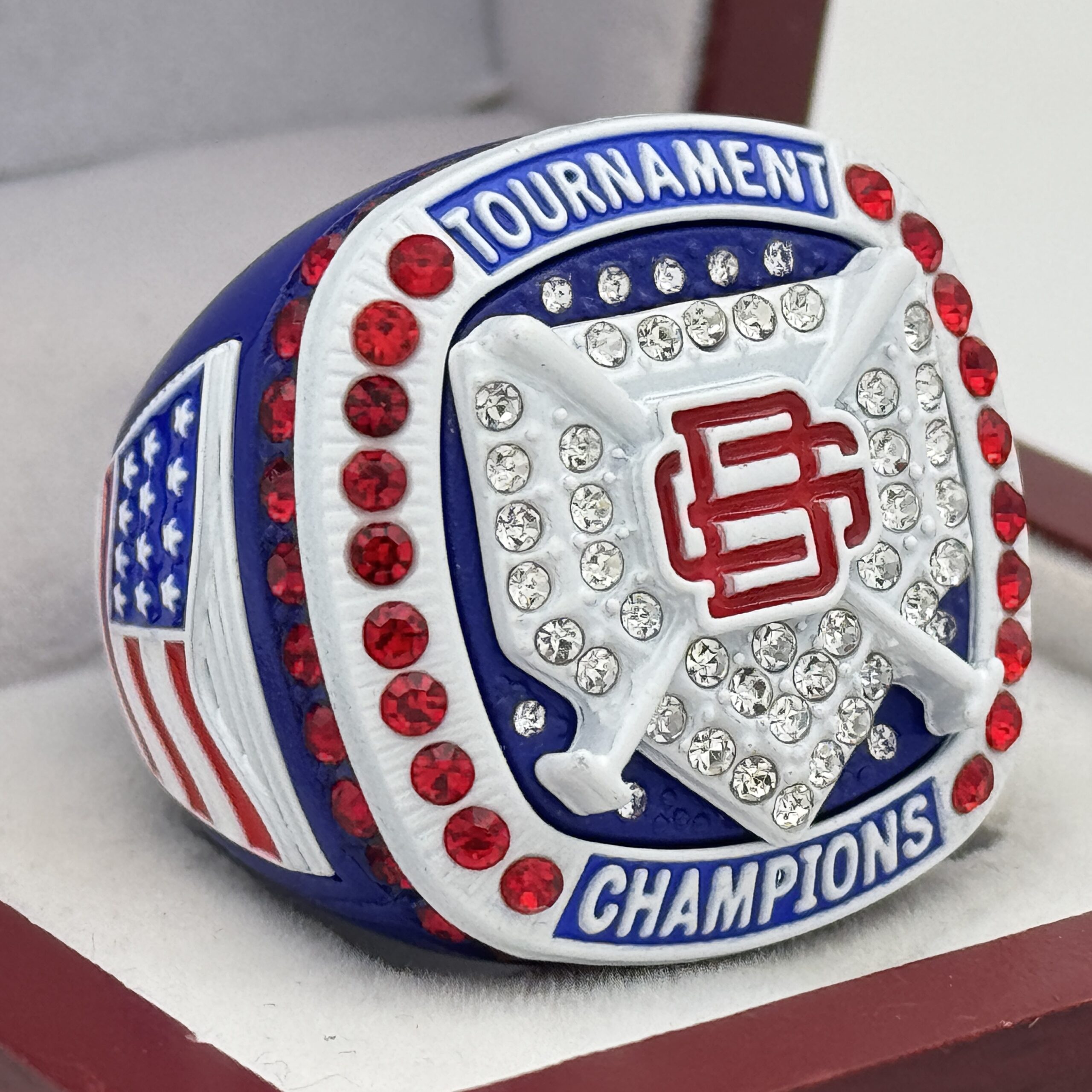
Little League championship rings give young athletes a lasting reminder of the teamwork, effort, and excitement that defined a successful season. For parents and coaches, choosing an appropriate award involves more than selecting an attractive design. The ring should feel meaningful to players, fit comfortably, reflect the significance of the achievement, and suit the age group receiving it. Whether a team won a local division, completed an undefeated season, or advanced through a competitive tournament, championship rings can help preserve those memories long after the final out. In this guide, we explain what parents and coaches should consider when selecting, presenting, and caring for rings for a Little League team.
Why Championship Rings Matter to Young Players
Youth baseball is about more than wins and losses. Players learn how to communicate, support teammates, respond to challenges, and stay focused during pressure-filled moments. A championship ring represents all of those lessons in a physical form that athletes can keep.
Young players may eventually forget individual scores or specific plays, but they often remember how it felt to celebrate with their teammates. Receiving a ring can make that moment feel official. It tells players that their commitment was noticed and that their accomplishment deserves recognition.
Championship rings can also help children develop a positive connection with sports. When awards are presented thoughtfully, they reinforce values such as:
- Consistent effort throughout the season
- Respect for coaches, teammates, and opponents
- Commitment to practice and improvement
- Resilience after mistakes or difficult games
- Teamwork during important situations
- Sportsmanship on and off the field
Parents and coaches should explain that the ring is not simply a reward for winning. It represents the work, cooperation, and perseverance that made the championship possible.
When Should a Little League Team Receive Rings?
Championship rings can be appropriate for several types of youth baseball accomplishments. The most common occasion is winning a league championship, but rings may also recognize success in district, regional, invitational, or postseason tournaments.
Before selecting an award, league organizers should confirm what accomplishment the rings will represent. Clear communication prevents confusion among parents and ensures every player understands the significance of the recognition.
Teams may present rings for achievements such as:
- Winning a regular-season league championship
- Finishing an undefeated season
- Winning a city or county tournament
- Advancing through a district competition
- Capturing an all-star tournament title
- Winning a state-level youth baseball event
- Completing an especially memorable postseason run
Some leagues reserve rings for championship teams, while others use medals or trophies for lower tournament placements. There is no single rule that applies to every organization. The best choice depends on league traditions, available funds, and the importance of the achievement.
How Rings Compare With Trophies and Medals
Trophies, medals, and rings can all recognize athletic success, but each creates a different experience. A trophy is highly visible and works well for display in a bedroom, school, clubhouse, or league office. A medal is easy to wear during an awards ceremony and can be stored with other sports memorabilia. A ring offers a more personal, wearable reminder of the season.
For many players, rings feel especially significant because they are commonly associated with championship teams at the professional, collegiate, and high school levels. Receiving a ring allows young athletes to share in that tradition.
Rings can also be easier to store than large trophies. A player can keep a ring in a presentation box, display it on a shelf, or wear it during special occasions. Unlike a team trophy that remains at a league facility, each athlete receives an individual keepsake.
Parents and coaches do not always have to choose only one award type. A league may present a team trophy for public display while giving individual rings to players. Coaches should consider what will be most meaningful and practical for the athletes.
Selecting an Age-Appropriate Ring Design
Little League players range widely in age, hand size, and personal preferences. A ring that works well for a teenager may feel too large or heavy for a younger child. Coaches and parents should look for designs that balance championship style with comfort.
A youth-friendly ring should have a proportionate face, a smooth interior, and edges that do not feel uncomfortable against neighboring fingers. Larger ring faces can create a dramatic appearance, but they may be better suited for older players. Younger athletes may prefer a lighter ring that is easier to handle and wear.
Design elements often associated with baseball championship rings include:
- Baseballs and crossed bats
- Gloves, diamonds, or home plates
- Championship wording
- Stars, banners, and laurel details
- League or tournament references
- Traditional gold-tone or silver-tone finishes
- Contrasting stones or raised lettering
The design should celebrate baseball without becoming difficult for the child to wear or store. Parents may also want to consider whether the ring will be worn regularly or kept primarily as a display piece.
Getting Accurate Ring Sizes
Sizing is one of the most important responsibilities when ordering rings for an entire team. Children grow quickly, and guessing can lead to rings that are uncomfortable or unusable. Coaches should collect sizes through a consistent process rather than relying on parents to estimate.
A physical ring sizer usually provides the most reliable measurement. The player should measure the finger on which the ring will be worn, since finger sizes can vary between hands. Measurements should also be taken when the hands are at a normal temperature because cold fingers may measure smaller and warm fingers may swell slightly.
To make the sizing process easier, we recommend that coaches:
- Set a clear deadline for submitting sizes
- Use the same sizing method for every player
- Record each athlete’s name and size carefully
- Ask parents to verify the submitted measurement
- Keep a copy of the final size list
- Double-check unusual or incomplete entries
- Avoid ordering based only on a child’s age
Some families may prefer a slightly larger size because the player is still growing. However, ordering a ring that is too large can increase the risk of it slipping off. Parents should focus on a secure, comfortable fit rather than trying to predict several years of growth.
Planning a Team Ring Budget
Youth sports organizations often operate with limited budgets, so coaches and league directors should establish the total available amount before comparing rings. The complete budget may come from team funds, registration fees, sponsor support, fundraising proceeds, or voluntary family contributions.
Organizers should calculate the number of recipients carefully. In addition to players, some teams may include head coaches, assistant coaches, team managers, scorekeepers, or other volunteers. Deciding who will receive a ring before ordering helps prevent last-minute shortages.
Important budget considerations include:
- The total number of players
- Awards for coaches and volunteers
- Presentation boxes or display cases
- Shipping and handling costs
- Possible replacement needs
- The awards ceremony budget
- League-approved spending limits
Parents should receive clear information about any expected contribution. If rings are being purchased with optional family payments, coaches should handle the process discreetly so no child feels excluded because of financial circumstances. Team fundraising can help make awards more accessible to every player.
Ordering Early Enough for the Celebration
Awards are most meaningful when they arrive in time for the championship banquet, closing ceremony, team party, or league meeting. Waiting until the last minute can create unnecessary stress, especially if coaches still need to collect ring sizes, confirm quantities, or coordinate payments.
The planning process can begin before the championship game without assuming a specific outcome. League administrators can research award styles, establish a budget, and prepare a sizing process during the season. The final order can then be placed after the winning team is confirmed.
A practical ordering timeline should include time for:
- Selecting the ring design
- Confirming the number of recipients
- Measuring all players and coaches
- Collecting and verifying payments
- Reviewing the final order details
- Processing and shipping
- Preparing the awards presentation
Parents should respond quickly when coaches request sizing or payment information. One missing size can delay the entire team’s order or force organizers to make an uncertain estimate.
Creating a Memorable Ring Presentation
How a ring is presented can be almost as meaningful as the ring itself. Simply handing out boxes at the end of practice may feel rushed. A planned ceremony gives players an opportunity to reflect on the season and celebrate together.
The presentation does not need to be elaborate. A team gathering at the field, a pizza party, or a short awards ceremony can create a memorable experience. Coaches can call each player forward individually and mention a positive quality or contribution.
Recognition might focus on:
- Leadership during games and practices
- Consistent improvement
- Outstanding sportsmanship
- Dependability and attendance
- Encouragement of teammates
- Defensive effort
- Positive attitude under pressure
Every player contributed to the season in a different way. Individual comments help ensure the ceremony celebrates the entire roster rather than only the athletes who recorded the most hits, runs, or strikeouts.
Parents can take photographs as each player receives a ring. A full team photo with the rings can become one of the most valued images from the season.
Teaching Players to Care for Their Rings
Young athletes should understand that championship rings are keepsakes rather than everyday play accessories. Rings should be removed before practices, games, swimming, showering, rough outdoor activities, or any situation where they could be scratched or lost.
Players should store rings in a clean, dry location. A ring box or display case can protect the surface while making the award easy to view. Rings should not be left loose in equipment bags, locker rooms, vehicles, or uniform pockets.
Basic care tips include:
- Handle the ring with clean, dry hands
- Wipe it gently with a soft cloth
- Keep it away from harsh cleaning chemicals
- Remove it before physical activity
- Store it in its box when not in use
- Avoid exposing it to excessive moisture
- Keep it out of reach of very young children
Parents may choose to hold onto the ring for younger players and allow them to wear it during special occasions. This reduces the chance of loss while still giving the child opportunities to enjoy the award.
Including Coaches and Team Volunteers
Little League seasons depend on adults who contribute their time, energy, and organizational skills. Head coaches often receive recognition, but assistant coaches, team parents, scorekeepers, and volunteers may also play important roles.
Whether these individuals receive rings depends on the team’s budget and league policies. Organizers should decide early and apply the same standard consistently. Recognizing only some volunteers without a clear reason can create uncomfortable situations.
When the budget does not allow rings for every volunteer, teams can provide other forms of appreciation. A framed team photo, signed baseball, thank-you card, or public acknowledgment during the ceremony can still express genuine gratitude.
Coaches who receive rings should remember that the players remain the focus of the celebration. The adult awards should support the team’s achievement rather than overshadow it.
Keeping the Award Experience Fair
Fairness matters in youth sports. Every eligible player should receive the same type of championship recognition, regardless of playing time, statistics, or financial circumstances. Reserve players and athletes who missed games because of injury may have contributed throughout the season and should not be overlooked.
League directors should establish clear eligibility rules before the postseason. These rules might consider roster status, participation requirements, sportsmanship standards, or league membership. Policies should be applied consistently and communicated to families.
When disagreements arise, coaches should avoid discussing them in front of players. Adults can resolve eligibility, cost, and ordering concerns privately. The award ceremony should remain positive and focused on the children.
FAQ
Are championship rings appropriate for young baseball players?
Yes. They can be meaningful keepsakes when the design, size, and presentation are appropriate for the players’ ages.
Which finger should a player wear the ring on?
There is no required finger. The player should choose the finger that provides the most comfortable and secure fit.
Should coaches receive championship rings?
Many teams include coaches, but the decision depends on league policy, available funds, and the number of recipients.
How should we measure players for ring sizes?
Use a physical ring sizer whenever possible and measure the exact finger on which the player plans to wear the ring.
Should we order a larger size for a growing child?
A slightly larger size may be considered, but a ring that is too loose can easily fall off. A secure current fit is usually safer.
Can players wear their rings during baseball games?
No. Rings should be removed before games and practices to prevent injuries, scratches, and loss.
How should a championship ring be stored?
Keep it in a presentation box, display case, or other clean, dry place when it is not being worn.
When should the team order its rings?
Order as soon as the championship is confirmed and all sizes, quantities, and payment details have been collected.
Can a team give both rings and trophies?
Yes. Some leagues display a team trophy while presenting individual rings to players and coaches.
What should coaches say during the presentation?
Coaches can recognize each athlete’s effort, improvement, teamwork, sportsmanship, or positive contribution to the season.
Celebrate the Season With Discount Sports Rings
A Little League championship represents months of practices, close games, personal improvement, and shared commitment. The right ring helps players remember not only that they won, but also how they worked together to reach that moment. By planning the budget, collecting accurate sizes, ordering early, and creating a thoughtful presentation, parents and coaches can make the award experience meaningful for every athlete. Find your perfect championship rings at Discount Sports Rings. Explore our collection of sports rings and choose from a variety of designs. Shop now!