

- BASEBALL AWARDS
- 2026 AWARDS
- 5 STAR BASEBALL RINGS
- BASEBALL ALL-STAR AWARDS
- BASEBALL BALL RINGS
- BASEBALL BATTER RING
- BASEBALL BELTS
- BASEBALL BRACELETS
- CUSTOMIZABLE BASEBALL AWARDS
- DELUXE BASEBALL RINGS
- DIAMOND SERIES BASEBALL RINGS
- DISTRICT BASEBALL RINGS
- HOME PLATE BASEBALL RINGS
- HOME RUN DERBY RINGS
- BASEBALL TURNOVER CHAINS
- JUMBO BASEBALL RINGS
- BASEBALL LEAGUE RINGS
- BASEBALL MEDALS
- BASEBALL MVP AWARDS
- BASEBALL NECKLACES
- BASEBALL PARTICIPATION AWARDS
- BASEBALL PLACEMENT AWARDS
- PONY BASEBALL AWARDS
- SEASONAL
- BASEBALL SLUGGER RING
- BASEBALL SPINNER RINGS
- BASEBALL STATE RINGS
- SQUARE BASEBALL RINGS
- BASEBALL TEAM AWARDS
- T-BALL
- TEXAS RINGS
- BASEBALL WORLD SERIES RINGS
- BASKETBALL AWARDS
- CHEER AWARDS
- FOOTBALL AWARDS
- 5 STAR FOOTBALL RINGS
- FOOTBALL RINGS
- 2026 AWARDS
- CUSTOMIZABLE FOOTBALL AWARDS
- FANTASY FOOTBALL AWARDS
- FOOTBALL ALL-STAR AWARDS
- FLAG FOOTBALL AWARDS
- FOOTBALL BELTS
- FOOTBALL MEDALS
- FOOTBALL MVP AWARDS
- FOOTBALL NECKLACES
- FOOTBALL PARTICIPATION AWARDS
- FOOTBALL PLACEMENT AWARDS
- SEASONAL
- FOOTBALL TURNOVER CHAINS
- SOCCER AWARDS
- SOFTBALL AWARDS
- 2026 AWARDS
- 5 STAR SOFTBALL RINGS
- SOFTBALL ALL STAR RINGS
- CUSTOMIZABLE SOFTBALL AWARDS
- SOFTBALL RINGS
- SOFTBALL BATTER RINGS
- SOFTBALL BELTS
- SOFTBALL BRACELETS
- BIG BANG SOFTBALL RINGS
- DELUXE SOFTBALL RINGS
- DIAMOND SERIES SOFTBALL RINGS
- DISTRICT SOFTBALL RINGS
- HOME PLATE SOFTBALL AWARDS
- SOFTBALL HOME RUN DERBY
- JUMBO SOFTBALL RINGS
- SOFTBALL LEAGUE RINGS
- MEDALS
- MVP
- NECKLACES
- SOFTBALL PARTICIPATION AWARDS
- SOFTBALL PLACEMENT AWARDS
- PONY SOFTBALL RINGS
- SEASONAL
- SLUGGER RING
- SOFTBALL SPINNER RINGS
- SQUARE SOFTBALL RINGS
- SOFTBALL TEAM AWARDS
- T-BALL
- TEXAS RINGS
- SOFTBALL TURNOVER CHAINS
- FASA SOFTBALL AWARDS
- SOFTBALL WORLD SERIES RINGS
- USA SOFTBALL AWARDS
- USFA
- VOLLEYBALL AWARDS
- OTHER SPORTS
The Best Team Recognition Ideas for Coaches Who Hate “Generic” Awards

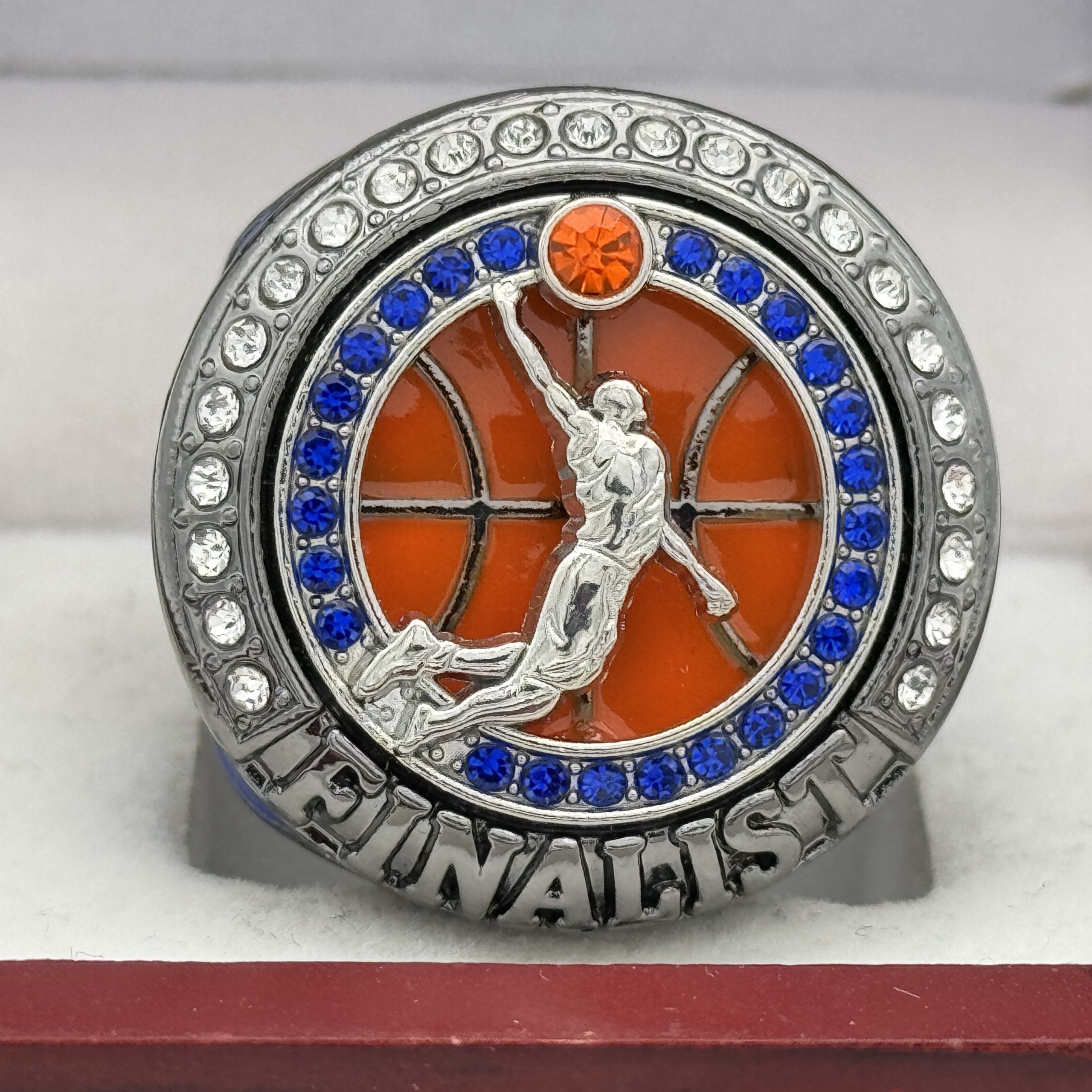
Finding meaningful team recognition ideas for coaches can be challenging when the usual awards start to feel predictable. Every season has standout scorers, dependable leaders, improved players, and athletes who bring energy to every practice, but not every achievement fits into a basic “MVP” or “Most Improved” category. Coaches who want their recognition to feel more personal, thoughtful, and memorable need award ideas that reflect effort, attitude, teamwork, growth, and the culture built throughout the season.
Recognition matters because athletes remember how they were seen. A thoughtful award can reinforce confidence, celebrate quiet contributions, and remind players that success is not only about statistics. Whether you coach youth sports, high school teams, club programs, travel leagues, or recreational athletes, the right recognition can make your end-of-season celebration feel more meaningful for every player.
Why Coaches Should Move Beyond Generic Awards
Traditional awards still have a place. MVP, Best Defensive Player, and Team Captain awards are familiar because they recognize important contributions. However, relying only on standard categories can leave many players overlooked.
A team is built by more than top scorers. It is shaped by the athlete who encourages teammates after mistakes, the player who stays late to practice fundamentals, the bench player who is always engaged, and the competitor who improves because they never stop trying.
More thoughtful recognition helps coaches:
- Celebrate the full range of player contributions
- Reinforce team values and culture
- Motivate athletes to keep improving
- Highlight effort, leadership, sportsmanship, and resilience
- Make every player feel valued
- Create a stronger emotional connection to the season
The best recognition ideas are specific, sincere, and tied to real moments from the season.
Recognition Ideas That Celebrate Leadership
Leadership does not always come from the loudest player or the most talented athlete. Some leaders guide by example, some bring calm under pressure, and others hold teammates accountable in a positive way.
Consider awards such as:
- The Lead by Example Award: For the player whose work ethic sets the standard.
- The Steady Voice Award: For the athlete who stays composed and helps others stay focused.
- The Accountability Award: For the player who takes responsibility and encourages teammates to do the same.
- The Practice Leader Award: For the athlete who brings energy and intention to every practice.
- The Team First Award: For the player who consistently puts the group above personal recognition.
These awards are especially useful because they show athletes that leadership is not limited to captains or star performers. It is a behavior that can be practiced and developed.
Recognition Ideas for Effort and Work Ethic
Effort-based awards are powerful because they recognize what athletes can control. Not every player will lead the team in points, goals, rebounds, strikeouts, tackles, or assists, but every player can show up with discipline and determination.
Strong effort-based award ideas include:
- The Relentless Effort Award: For the player who never gives up on a play.
- The First In, Last Out Award: For the athlete who consistently puts in extra time.
- The Grind Award: For the player who embraces difficult practices and tough matchups.
- The Hustle Every Minute Award: For the athlete whose energy never drops.
- The No Excuses Award: For the player who stays committed regardless of obstacles.
When presenting these awards, mention specific examples. For instance, talk about a game where the player chased down a loose ball, defended a tough opponent, or kept competing despite the score. Specificity makes the recognition feel earned.
Recognition Ideas for Sportsmanship
Sportsmanship is one of the most important values coaches can reinforce. Players who respect officials, encourage opponents, and handle wins and losses with maturity help define the character of a team.
Consider these award ideas:
- The Respect the Game Award: For the athlete who consistently demonstrates class and maturity.
- The Good Teammate Award: For the player who treats everyone with respect.
- The Positive Competitor Award: For the athlete who competes hard without losing perspective.
- The Grace Under Pressure Award: For the player who responds well in difficult moments.
- The Character Award: For the athlete whose actions reflect integrity on and off the field or court.
Sportsmanship awards are especially valuable for younger athletes because they teach that how you compete matters as much as the final score.
Recognition Ideas for Team Spirit
Some players have an unmistakable impact on team morale. They bring laughter, enthusiasm, encouragement, and energy. These athletes may not always dominate the stat sheet, but they help keep the team connected.
Useful team spirit awards include:
- The Energy Award: For the player who raises the intensity of the group.
- The Spark Plug Award: For the athlete who gives the team a boost when it needs it most.
- The Bench Leader Award: For the player who stays engaged and supportive, even when not in the game.
- The Hype Teammate Award: For the athlete who celebrates others with genuine excitement.
- The Positive Attitude Award: For the player who brings optimism to practices and games.
These awards help players understand that emotional leadership is a real contribution. A team with a strong spirit is often more resilient during difficult stretches of the season.
Recognition Ideas for Improvement
Improvement awards should go beyond simply naming one “Most Improved Player.” Many athletes grow in different ways. Some improve technically, some gain confidence, some become more consistent, and others overcome mental barriers.
Consider categories such as:
- The Confidence Builder Award: For the player who became more comfortable taking on challenges.
- The Breakthrough Award: For the athlete who made a major leap during the season.
- The Skill Growth Award: For the player who made clear progress in a specific area.
- The Consistency Award: For the athlete who became more reliable over time.
- The Comeback Award: For the player who overcame a setback and returned stronger.
Improvement recognition works best when coaches explain the journey. Mention where the athlete started, what they worked on, and how that growth showed up during the season.
Recognition Ideas for Defensive Players
Defense is often underappreciated, especially in sports where scoring gets the most attention. Coaches can use recognition to show that defensive discipline, positioning, toughness, and awareness are essential to winning.
Strong defensive award ideas include:
- The Lockdown Award: For the player who consistently takes on tough defensive assignments.
- The Wall Award: For the athlete who is difficult to get past.
- The Pressure Award: For the player who disrupts opponents with intensity.
- The Smart Defender Award: For the athlete who understands positioning and timing.
- The Tough Matchup Award: For the player trusted in difficult defensive situations.
These categories help athletes see defense as a skill and responsibility, not just a supporting role.
Recognition Ideas for Offensive Contributions
Offense is more than scoring. A great offensive player may create opportunities, move without the ball, make smart passes, set screens, execute plays, or maintain composure in high-pressure moments.
Consider awards such as:
- The Playmaker Award: For the athlete who creates opportunities for others.
- The Clutch Performer Award: For the player who delivers in important moments.
- The Smart Decision Award: For the athlete who makes the right play at the right time.
- The Finisher Award: For the player who consistently converts chances.
- The Field Vision Award: For the athlete who sees opportunities before they happen.
These awards allow coaches to celebrate offensive intelligence, teamwork, and execution, not just numbers.
Recognition Ideas for Practice Habits
Coaches know that games are often won because of what happens in practice. Players who take practice seriously help raise the level of the entire team.
Practice-focused award ideas include:
- The Practice Standard Award: For the player whose preparation sets the tone.
- The Drill Master Award: For the athlete who approaches every drill with focus.
- The Prepared Player Award: For the teammate who consistently shows up ready.
- The Coachable Award: For the player who listens, applies feedback, and improves.
- The Details Matter Award: For the athlete who pays attention to fundamentals.
A practice award sends a clear message: preparation matters. It also encourages athletes to value daily habits instead of only game-day performance.
Recognition Ideas for Resilience
Every season includes adversity. Players face injuries, losses, mistakes, slumps, limited playing time, and personal frustration. Recognizing resilience shows athletes that perseverance is part of success.
Consider these awards:
- The Bounce Back Award: For the player who responded well after setbacks.
- The Mental Toughness Award: For the athlete who stayed focused under pressure.
- The Perseverance Award: For the player who kept working through challenges.
- The Never Quit Award: For the athlete who competed until the final whistle.
- The Growth Mindset Award: For the player who treated challenges as opportunities to improve.
These awards are especially meaningful because they recognize internal strength, not only visible performance.
Recognition Ideas for Unsung Heroes
Every coach has players who do important things that may go unnoticed by spectators. These athletes fill gaps, accept roles, support teammates, and make winning plays that do not always appear in the stats.
Unsung hero award ideas include:
- The Glue Player Award: For the athlete who holds the team together.
- The Little Things Award: For the player who consistently does the small jobs well.
- The Reliable Teammate Award: For the athlete coaches and players can always count on.
- The Quiet Impact Award: For the player whose contributions are subtle but important.
- The Role Player Award: For the athlete who embraces their responsibility and performs it well.
These awards can be some of the most meaningful because they show players that coaches notice more than obvious achievements.
Recognition Ideas for Team Culture
Strong teams have a culture. That culture might be built around discipline, positivity, toughness, humility, accountability, or unity. Recognition can reinforce the values a coach wants athletes to carry forward.
Culture-based award ideas include:
- The Culture Carrier Award: For the player who represents the team’s values.
- The Unity Award: For the athlete who brings teammates together.
- The Standard Setter Award: For the player who models what the program expects.
- The Respect Award: For the athlete who treats teammates, coaches, opponents, and officials well.
- The Legacy Award: For the player whose impact will be remembered beyond the season.
These awards are especially useful for programs that want to build long-term identity and tradition.
How to Make Recognition Feel More Meaningful
The award name matters, but the presentation matters even more. A thoughtful speech can turn a simple award into a lasting memory.
To make recognition more meaningful:
- Share a specific example from the season.
- Explain why the player earned the award.
- Connect the recognition to a team value.
- Keep the tone sincere and respectful.
- Avoid jokes that could embarrass the athlete.
- Recognize effort and growth, not only talent.
- Make sure every award feels earned.
Coaches should also avoid creating awards just to include everyone if the category feels forced. It is better to thoughtfully connect each player to a real contribution.
How to Choose the Right Awards for Your Team
Start by thinking about your team’s season. What defined it? Was it resilience? Growth? Chemistry? Tough defense? Leadership? Once you identify the major themes, choose awards that reflect those qualities.
A simple process can help:
- List every player on the roster.
- Write down two or three words that describe each player’s contribution.
- Match those words to award categories.
- Look for overlap and adjust categories as needed.
- Prepare a short, specific explanation for each award.
- Keep the focus on genuine achievement.
This approach helps coaches avoid generic recognition and ensures each athlete receives an award tied to their actual impact.
Sport-Specific Recognition Ideas
Different sports have different roles, so coaches can tailor award categories to the way their team competes.
For basketball:
- Best screen setter
- Defensive stopper
- Court vision award
- Rebounding effort award
- Transition hustle award
For football:
- Trenches award
- Special teams impact award
- Toughest blocker
- Defensive pursuit award
- Practice warrior award
For baseball and softball:
- Clutch at-bat award
- Defensive range award
- Dugout energy award
- Base running awareness award
- Reliable glove award
For soccer:
- Field vision award
- Possession award
- Defensive pressure award
- Work rate award
- Unselfish play award
For volleyball:
- Communication award
- Net presence award
- Serve pressure award
- Floor leader award
- Rally saver award
For hockey:
- Two-way player award
- Shift energy award
- Board battle award
- Ice vision award
- Toughness award
Sport-specific awards help recognition feel connected to the details that players and coaches understand best.
FAQ
What are good team recognition ideas for youth sports?
Good youth sports recognition ideas include awards for effort, sportsmanship, improvement, teamwork, positive attitude, coachability, and leadership. These categories help young athletes understand that success is about more than winning or scoring.
How can coaches recognize every player without making awards feel generic?
Coaches can make recognition feel meaningful by connecting each award to a specific behavior, moment, or contribution from the season. The more specific the explanation, the less generic the award feels.
Should every player receive an award?
Many coaches choose to recognize every player, especially at the youth level. The key is to make each award sincere and tied to something real, such as effort, growth, leadership, or teamwork.
What awards are better than MVP?
Awards that recognize leadership, resilience, sportsmanship, hustle, coachability, defensive effort, and team spirit can be more inclusive than MVP while still celebrating meaningful contributions.
How do you make an end-of-season awards ceremony more memorable?
Use specific stories, highlight team values, keep the tone positive, and recognize contributions that might otherwise go unnoticed. A meaningful ceremony should help athletes feel appreciated for who they were as teammates.
What should coaches avoid when giving awards?
Coaches should avoid negative jokes, vague praise, overly broad categories, and awards that feel like afterthoughts. Recognition should build confidence and reflect genuine appreciation.
Shop Today
Meaningful recognition can help athletes remember the season with pride, confidence, and a stronger connection to their team. For coaches who want awards that feel memorable and worthy of the moment, Discount Sports Rings offers a strong selection of championship-style rings and team award options for programs of all levels. Shop with us today to explore recognition pieces that can help your athletes celebrate their hard work, commitment, and team success.