

- BASEBALL AWARDS
- 2026 AWARDS
- 5 STAR BASEBALL RINGS
- BASEBALL ALL-STAR AWARDS
- BASEBALL BALL RINGS
- BASEBALL BATTER RING
- BASEBALL BELTS
- BASEBALL BRACELETS
- CUSTOMIZABLE BASEBALL AWARDS
- DELUXE BASEBALL RINGS
- DIAMOND SERIES BASEBALL RINGS
- DISTRICT BASEBALL RINGS
- HOME PLATE BASEBALL RINGS
- HOME RUN DERBY RINGS
- BASEBALL TURNOVER CHAINS
- JUMBO BASEBALL RINGS
- BASEBALL LEAGUE RINGS
- BASEBALL MEDALS
- BASEBALL MVP AWARDS
- BASEBALL NECKLACES
- BASEBALL PARTICIPATION AWARDS
- BASEBALL PLACEMENT AWARDS
- PONY BASEBALL AWARDS
- SEASONAL
- BASEBALL SLUGGER RING
- BASEBALL SPINNER RINGS
- BASEBALL STATE RINGS
- SQUARE BASEBALL RINGS
- BASEBALL TEAM AWARDS
- T-BALL
- TEXAS RINGS
- BASEBALL WORLD SERIES RINGS
- BASKETBALL AWARDS
- CHEER AWARDS
- FOOTBALL AWARDS
- 5 STAR FOOTBALL RINGS
- FOOTBALL RINGS
- 2026 AWARDS
- CUSTOMIZABLE FOOTBALL AWARDS
- FANTASY FOOTBALL AWARDS
- FOOTBALL ALL-STAR AWARDS
- FLAG FOOTBALL AWARDS
- FOOTBALL BELTS
- FOOTBALL MEDALS
- FOOTBALL MVP AWARDS
- FOOTBALL NECKLACES
- FOOTBALL PARTICIPATION AWARDS
- FOOTBALL PLACEMENT AWARDS
- SEASONAL
- FOOTBALL TURNOVER CHAINS
- SOCCER AWARDS
- SOFTBALL AWARDS
- 2026 AWARDS
- 5 STAR SOFTBALL RINGS
- SOFTBALL ALL STAR RINGS
- CUSTOMIZABLE SOFTBALL AWARDS
- SOFTBALL RINGS
- SOFTBALL BATTER RINGS
- SOFTBALL BELTS
- SOFTBALL BRACELETS
- BIG BANG SOFTBALL RINGS
- DELUXE SOFTBALL RINGS
- DIAMOND SERIES SOFTBALL RINGS
- DISTRICT SOFTBALL RINGS
- HOME PLATE SOFTBALL AWARDS
- SOFTBALL HOME RUN DERBY
- JUMBO SOFTBALL RINGS
- SOFTBALL LEAGUE RINGS
- MEDALS
- MVP
- NECKLACES
- SOFTBALL PARTICIPATION AWARDS
- SOFTBALL PLACEMENT AWARDS
- PONY SOFTBALL RINGS
- SEASONAL
- SLUGGER RING
- SOFTBALL SPINNER RINGS
- SQUARE SOFTBALL RINGS
- SOFTBALL TEAM AWARDS
- T-BALL
- TEXAS RINGS
- SOFTBALL TURNOVER CHAINS
- FASA SOFTBALL AWARDS
- SOFTBALL WORLD SERIES RINGS
- USA SOFTBALL AWARDS
- USFA
- VOLLEYBALL AWARDS
- OTHER SPORTS
Custom Turnover Chains: How to Design One for Your Team

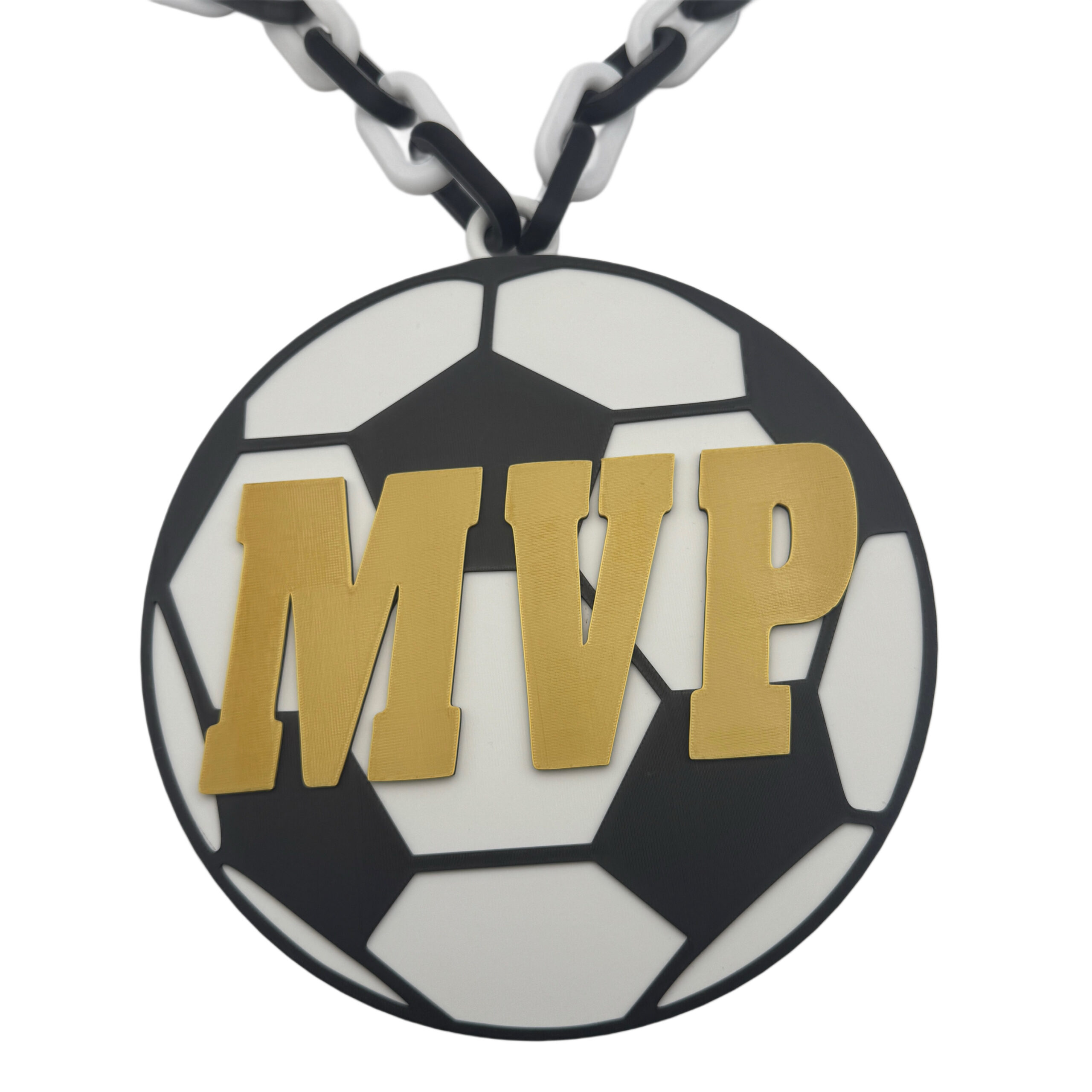
A custom turnover chain is more than a sideline accessory. It is a symbol of energy, pride, discipline, and momentum. In football and other competitive sports, the turnover chain has become a powerful way to celebrate defensive excellence and reward athletes who make game-changing plays. When designed thoughtfully, it can help create a stronger team identity, encourage effort, and turn big moments into lasting memories.
Why Turnover Chains Matter in Team Culture
Every team needs symbols. Jerseys, helmets, banners, chants, and trophies all help athletes feel connected to something bigger than themselves. A turnover chain works in a similar way. It gives players a visible reward for effort, focus, and execution.
The best turnover chains are not just flashy pieces worn after a big play. They are part of a team’s culture. They remind athletes that preparation matters, hustle matters, and one play can change the direction of a game.
A well-designed chain can support several team goals:
- Recognizing defensive impact
- Building sideline excitement
- Encouraging competition in practice and games
- Reinforcing team values
- Creating photo-worthy celebration moments
- Giving players a tradition they remember
When athletes know that big plays are celebrated, they often bring extra intensity to every snap. That energy can spread across the sideline and lift the entire team.
Start With the Purpose Behind the Chain
Before focusing on the appearance, start with the purpose. Ask what the chain should represent for your team. The strongest designs usually begin with a clear meaning.
Your chain might represent:
- Defensive toughness
- Team unity
- School pride
- A championship mindset
- Discipline and preparation
- A specific season motto
- A mascot or team symbol
- A legacy built by past players
This step matters because the design should feel connected to your program. A chain that looks impressive but has no meaning may get attention for a moment. A chain with a real purpose can become part of a team tradition.
For example, a team known for physical defense might choose a bold, strong design with a shield, animal, or initials. A team focused on unity might use a symbol that represents brotherhood, teamwork, or one heartbeat. A program with a long history may include references to school colors, founding years, or championship seasons.
Choose a Strong Central Symbol
The pendant is usually the main focus of the turnover chain. It should be easy to see, easy to understand, and meaningful to the team. Since the chain is often worn during fast-paced sideline celebrations, the design should be bold enough to stand out in photos and videos.
Popular symbol ideas include:
- Team mascot
- School initials
- Player number theme
- Defensive logo
- Football shape
- Shield or crest
- State outline
- Championship-inspired emblem
- Motivational word or phrase
- Year or season slogan
A strong central symbol makes the chain instantly recognizable. It also helps players connect the reward to the team’s larger identity.
When choosing the symbol, avoid making the design too busy. A clean, bold design usually looks better from a distance than one packed with tiny details. If every inch of the pendant is crowded, the message may be difficult to read.
Use Team Colors With Intention
Color plays a major role in how the chain feels. Team colors are often the most natural choice because they connect the piece to the program’s identity. However, the way those colors are used matters.
A strong color plan should consider:
- Main team color
- Secondary team color
- Accent color
- Contrast between background and lettering
- Visibility under stadium lights
- How the colors appear in photos
High contrast is especially important. If the pendant includes lettering, numbers, or a logo, those elements need to be easy to read. Dark text on a dark background can make the design hard to see. Light text on a bright background can create the same problem.
For a polished look, choose one dominant color and use the others as accents. This creates balance and helps the most important details stand out.
Decide What Text Belongs on the Chain
Text can make a turnover chain more meaningful, but it should be used carefully. Too many words can make the pendant look cluttered. The best text is short, bold, and easy to read.
Effective text options include:
- Team name
- School initials
- “Turnover”
- “Takeaway”
- “Defense”
- “Ball Hawks”
- “No Fly Zone”
- “Lockdown”
- Season motto
- Championship year
Short phrases are usually best. A turnover chain is not meant to carry a long quote. It should deliver its message quickly.
If your team already uses a defensive slogan, that may be the perfect phrase to include. Consistency helps strengthen team culture. When players hear the phrase in practice, see it in the locker room, and wear it after big plays, the message becomes part of the program.
Think About Size and Visibility
A turnover chain should be large enough to make an impact but not so oversized that it becomes uncomfortable or distracting. The right size depends on the age of the players, the setting, and how the chain will be used.
For youth teams, a lighter and simpler design may be easier to manage. For high school or college-level teams, a larger pendant can create a stronger sideline presence. Coaches should also think about how the chain will look in team photos, social media posts, and highlight videos.
Consider these questions:
- Can the pendant be seen clearly from the sideline?
- Is the chain comfortable enough for players to wear briefly?
- Will it hold up through repeated use?
- Does it look balanced with the chain itself?
- Is it easy to pass from one player to another?
The goal is to create excitement without creating inconvenience. Players should feel proud to wear it, not weighed down by it.
Balance Style With Durability
Turnover chains are used in energetic environments. They may be passed around, worn over shoulder pads, held up in celebration, and taken to multiple games. Because of that, durability is important.
A chain should be built for repeated handling. Coaches and team leaders should think about the practical side of the design, not just the look.
Important durability factors include:
- Strong chain links
- Secure pendant attachment
- Smooth edges
- Reliable clasp
- Sturdy materials
- Easy maintenance
- Resistance to regular sideline wear
A turnover chain does not need to be overly complicated to be effective. In many cases, a clean and sturdy design will serve the team better than something too delicate or difficult to care for.
Match the Chain to the Team’s Personality
Every team has a personality. Some teams are loud, energetic, and bold. Others are disciplined, traditional, and focused. The turnover chain should reflect that personality.
A bold team might prefer a large pendant with bright colors and aggressive design elements. A more classic program might prefer a clean crest, initials, or championship-style look. A youth team may want something fun and exciting, while an older team may prefer something more serious and polished.
The design should feel natural for the athletes who will wear it. If the team believes in the symbol, the chain becomes more than a decoration. It becomes part of the team’s emotional rhythm.
Create Rules for When It Is Awarded
The turnover chain works best when players understand exactly how it is earned. Clear rules prevent confusion and keep the tradition meaningful.
Common reasons to award the chain include:
- Interception
- Fumble recovery
- Forced fumble
- Blocked kick
- Defensive touchdown
- Game-changing stop
- Special teams takeaway
Some teams also use the chain during practice to reward effort, hustle, or leadership. This can be a great way to keep competition high throughout the week. However, coaches should be consistent. If the chain is awarded too often or without clear standards, it may lose some of its meaning.
A simple rule system helps players respect the tradition. The chain should represent real achievement.
Make the Presentation Part of the Tradition
The moment the chain is awarded can be just as important as the design itself. A strong presentation turns a great play into a team-wide celebration.
Teams may choose to present the chain:
- On the sideline immediately after the play
- During a defensive huddle
- After the series ends
- In the locker room after the game
- At weekly team meetings
- During film review
The timing depends on the coach’s preference and the team’s culture. Some teams love the instant sideline celebration. Others prefer a more controlled moment after the game. Either approach can work if it fits the program.
The key is consistency. When the presentation becomes predictable, players start looking forward to it. That anticipation can add extra motivation.
Use the Chain to Build Social Media Momentum
A turnover chain can also help create strong content for the team’s social media channels. Photos and videos of players earning the chain can highlight effort, celebrate success, and build community excitement.
Content ideas include:
- Player of the game photos
- Turnover chain highlight reels
- Defensive takeaway graphics
- Weekly chain winner posts
- Locker room celebration clips
- Senior night features
- Season recap videos
This type of content can help parents, students, alumni, and fans feel more connected to the team. It also gives athletes recognition beyond the scoreboard.
When posting, keep the focus on teamwork. Even though one player may wear the chain, turnovers often happen because of pressure, coverage, pursuit, communication, and preparation from the whole defense.
Keep the Design Timeless
Trends can be fun, but the best team symbols often have staying power. A turnover chain should look exciting now while still feeling meaningful in future seasons.
To create a more timeless design, focus on:
- Strong team identity
- Clear lettering
- Balanced colors
- Recognizable symbols
- Clean layout
- Quality appearance
- Meaningful details
Avoid filling the design with too many references that may only matter for one week or one opponent. A season motto can work well, but the overall design should still represent the program beyond a single game.
A timeless chain can become part of the team’s history. Future players may see it and understand that it represents a standard they are expected to uphold.
Involve Coaches and Team Leaders
A turnover chain should align with the values of the coaching staff. Before finalizing the design, it is helpful to gather input from key leaders.
This may include:
- Head coach
- Defensive coordinator
- Team captains
- Athletic director
- Booster club leaders
- Senior players
- Equipment staff
Input can be valuable, but the process should stay focused. Too many opinions can make the design feel scattered. A small leadership group can help choose the strongest direction while keeping the final look clean and purposeful.
Team captains can be especially helpful because they understand what motivates players. Their feedback can make the chain feel more authentic to the locker room.
Think Beyond Football
Although turnover chains are closely associated with football, the concept can work for other sports as well. Any team that wants to celebrate momentum-changing plays can use a similar reward tradition.
Examples include:
- Basketball steals
- Baseball defensive gems
- Softball diving catches
- Soccer clean sheets or takeaways
- Lacrosse caused turnovers
- Volleyball blocks
- Hockey defensive stops
The design can be adapted to the sport’s culture and the team’s goals. The main idea remains the same: reward effort, celebrate impact, and build energy around winning plays.
Avoid Overcomplicating the Design
One of the most common mistakes is trying to include too much. A turnover chain should be bold, memorable, and easy to understand. When there are too many colors, words, symbols, and small details, the final result can lose impact.
A strong design usually includes:
- One main symbol
- One short phrase or team name
- Clear team colors
- Balanced spacing
- Readable lettering
- A strong chain style
Simplicity often makes the design more powerful. The goal is not to include every possible idea. The goal is to create one strong symbol that players are proud to earn.
Make It Part of the Bigger Team Standard
A turnover chain should not replace coaching, discipline, or preparation. It should support them. The most successful teams connect rewards to standards. Players should understand that the chain is not just about celebration. It is about execution.
Coaches can connect the chain to key teaching points:
- Finish every play
- Communicate clearly
- Pursue the ball
- Create pressure
- Protect the team standard
- Celebrate together
- Stay focused after success
This keeps the tradition grounded. The chain becomes a reminder of what the team values most.
FAQ
What is a turnover chain?
A turnover chain is a sideline reward given to a player after a major defensive takeaway or momentum-changing play.
Which sports can use a turnover chain?
Football is the most common, but basketball, baseball, softball, soccer, lacrosse, volleyball, and hockey teams can use similar reward traditions.
What should be on a turnover chain?
The best designs usually include a team symbol, team colors, and short, readable text.
How big should the pendant be?
It should be large enough to stand out in photos but comfortable enough for players to wear briefly.
When should a player receive the chain?
Most teams award it after interceptions, fumble recoveries, forced fumbles, blocked kicks, or other major defensive plays.
Should the chain be used during practice?
Yes, if coaches want to reward effort, hustle, leadership, or practice takeaways.
How can a team keep the tradition meaningful?
Set clear rules, award it consistently, and connect it to team values.
Can turnover chains help team morale?
Yes. They can create excitement, recognize effort, and strengthen team identity.
What makes a turnover chain design effective?
A clear symbol, strong colors, readable text, and a meaningful connection to the team.
How do teams use turnover chains on social media?
Teams often share photos, highlight clips, weekly winners, and defensive celebration posts.
Shop Discount Sports Rings Today
A turnover chain can bring energy, pride, and tradition to your team while celebrating the plays that change games. With the right design approach, it becomes more than a sideline reward. It becomes a lasting symbol of effort, unity, and competitive spirit.
We are ready to help teams celebrate success with standout sports awards and championship-inspired designs. Find your perfect championship rings. Explore our collection of sports rings and choose from a variety of designs. Shop now!