

- BASEBALL AWARDS
- 2026 AWARDS
- 5 STAR BASEBALL RINGS
- BASEBALL ALL-STAR AWARDS
- BASEBALL BALL RINGS
- BASEBALL BATTER RING
- BASEBALL BELTS
- BASEBALL BRACELETS
- CUSTOMIZABLE BASEBALL AWARDS
- DELUXE BASEBALL RINGS
- DIAMOND SERIES BASEBALL RINGS
- DISTRICT BASEBALL RINGS
- HOME PLATE BASEBALL RINGS
- HOME RUN DERBY RINGS
- BASEBALL TURNOVER CHAINS
- JUMBO BASEBALL RINGS
- BASEBALL LEAGUE RINGS
- BASEBALL MEDALS
- BASEBALL MVP AWARDS
- BASEBALL NECKLACES
- BASEBALL PARTICIPATION AWARDS
- BASEBALL PLACEMENT AWARDS
- PONY BASEBALL AWARDS
- SEASONAL
- BASEBALL SLUGGER RING
- BASEBALL SPINNER RINGS
- BASEBALL STATE RINGS
- SQUARE BASEBALL RINGS
- BASEBALL TEAM AWARDS
- T-BALL
- TEXAS RINGS
- BASEBALL WORLD SERIES RINGS
- BASKETBALL AWARDS
- CHEER AWARDS
- FOOTBALL AWARDS
- 5 STAR FOOTBALL RINGS
- FOOTBALL RINGS
- 2026 AWARDS
- CUSTOMIZABLE FOOTBALL AWARDS
- FANTASY FOOTBALL AWARDS
- FOOTBALL ALL-STAR AWARDS
- FLAG FOOTBALL AWARDS
- FOOTBALL BELTS
- FOOTBALL MEDALS
- FOOTBALL MVP AWARDS
- FOOTBALL NECKLACES
- FOOTBALL PARTICIPATION AWARDS
- FOOTBALL PLACEMENT AWARDS
- SEASONAL
- FOOTBALL TURNOVER CHAINS
- SOCCER AWARDS
- SOFTBALL AWARDS
- 2026 AWARDS
- 5 STAR SOFTBALL RINGS
- SOFTBALL ALL STAR RINGS
- CUSTOMIZABLE SOFTBALL AWARDS
- SOFTBALL RINGS
- SOFTBALL BATTER RINGS
- SOFTBALL BELTS
- SOFTBALL BRACELETS
- BIG BANG SOFTBALL RINGS
- DELUXE SOFTBALL RINGS
- DIAMOND SERIES SOFTBALL RINGS
- DISTRICT SOFTBALL RINGS
- HOME PLATE SOFTBALL AWARDS
- SOFTBALL HOME RUN DERBY
- JUMBO SOFTBALL RINGS
- SOFTBALL LEAGUE RINGS
- MEDALS
- MVP
- NECKLACES
- SOFTBALL PARTICIPATION AWARDS
- SOFTBALL PLACEMENT AWARDS
- PONY SOFTBALL RINGS
- SEASONAL
- SLUGGER RING
- SOFTBALL SPINNER RINGS
- SQUARE SOFTBALL RINGS
- SOFTBALL TEAM AWARDS
- T-BALL
- TEXAS RINGS
- SOFTBALL TURNOVER CHAINS
- FASA SOFTBALL AWARDS
- SOFTBALL WORLD SERIES RINGS
- USA SOFTBALL AWARDS
- USFA
- VOLLEYBALL AWARDS
- OTHER SPORTS
Home Run Derby Rings vs. Trophies: Which Award Motivates Young Players?

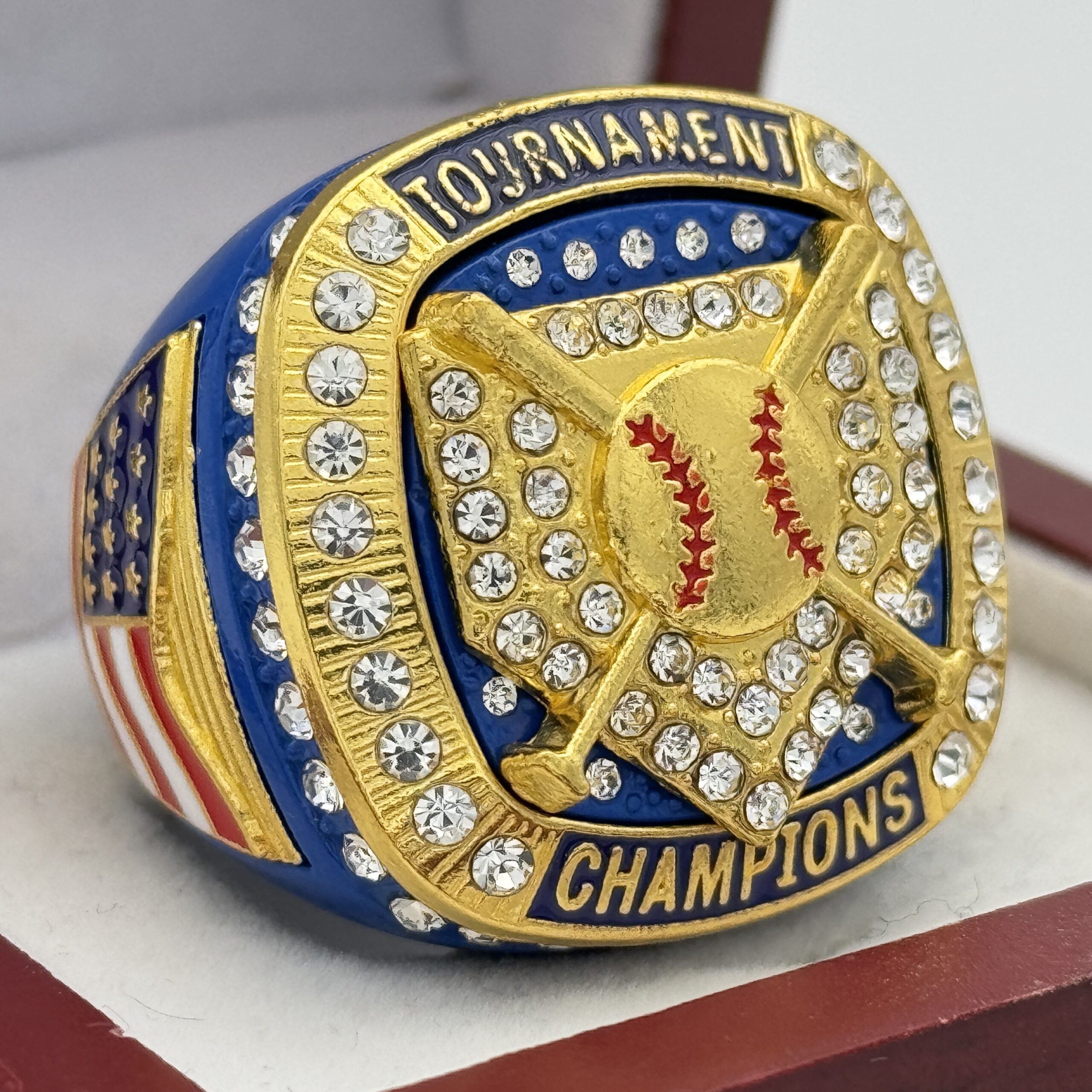
Youth baseball is built on energy, effort, and memorable moments. Few events create excitement quite like a home run derby, where young players step into the batter’s box with confidence, swing for distance, and celebrate the thrill of competition. When the event ends, the award matters because it becomes a symbol of achievement. Many leagues, coaches, and parents compare the impact of a home run derby trophy with the appeal of championship-style rings. Both awards can recognize success, but they motivate young players in different ways.
Why Awards Matter in Youth Baseball
Awards do more than mark the end of a tournament or skills competition. For young athletes, they help create a connection between hard work and recognition. A player who spends hours practicing timing, strength, and swing mechanics learns that effort can lead to results.
In youth sports, motivation often comes from visible milestones. A well-chosen award can encourage players to keep improving, support teammates, and return to the field with greater confidence. Recognition also helps young athletes feel seen, especially when they are still developing their skills.
Awards can motivate players by:
- Reinforcing the value of practice
- Celebrating personal improvement
- Encouraging healthy competition
- Creating lasting memories
- Building team and league pride
- Giving players a tangible reminder of success
For a home run derby, the award should match the excitement of the event. Players remember the big swings, the crowd reaction, and the final results. The right award helps preserve that moment.
The Traditional Appeal of Trophies
Trophies have been a familiar part of youth sports for generations. They are instantly recognizable and often displayed on shelves, desks, or mantels. For many players, receiving a trophy feels formal and meaningful because trophies have long been associated with victory.
A home run derby trophy can be especially effective when the event is structured around individual performance. Since the derby often highlights one player’s hitting power and consistency, a trophy can clearly mark the winner’s achievement.
Trophies are popular because they are:
- Easy to display at home
- Familiar to players, parents, and coaches
- Closely associated with sports achievement
- Suitable for formal award presentations
- Simple to recognize from a distance
For younger children, trophies may feel impressive because of their height, shine, and traditional design. They can create a proud moment during an awards ceremony, especially when a player hears their name called in front of teammates and family.
The Emotional Value of Rings
Championship-style rings have become increasingly popular across youth sports because they feel personal, wearable, and memorable. Unlike a trophy that usually stays at home, a ring can be worn, shared, and shown to friends. That makes it feel closer to the player’s identity.
For young athletes, rings often create a stronger emotional connection because they resemble the awards given to professional champions. Baseball players see championship rings associated with major victories, historic seasons, and elite performance. When a young player receives a ring after a home run derby, it can make the achievement feel especially significant.
Rings can motivate players because they are:
- Wearable reminders of success
- Easy to show teammates and friends
- Closely tied to championship culture
- Compact and easy to keep over time
- Exciting for players who follow professional sports
- Strong symbols of belonging and accomplishment
A ring can also make a player feel like part of something bigger. Even in an individual event like a derby, the player represents a team, league, or tournament. That connection can deepen the meaning of the award.
Which Award Feels More Personal?
When comparing rings and trophies, one major difference is personal connection. A trophy is usually displayed in a fixed location. A ring stays closer to the player. Young athletes often enjoy awards they can physically interact with, especially if they can wear them to school, practice, or team gatherings.
This does not mean trophies lack meaning. A trophy can still represent a proud moment. However, rings often feel more personal because they become part of the player’s experience after the event. A player can look at the ring and remember the pitch, the swing, the cheers, and the final result.
For young players, motivation often grows when the award feels connected to who they are becoming as athletes. Rings may support that feeling more directly because they can be worn as a symbol of achievement.
Which Award Is Better for Display?
Trophies have the advantage when it comes to traditional display. They are larger, more visible, and easier to place in a room where others can see them. For players who enjoy collecting awards on a shelf, trophies offer a classic display experience.
Rings, however, offer a different kind of display value. They can be kept in a case, worn during special occasions, or shown up close. While they are smaller than trophies, they can feel more meaningful because players can hold and wear them.
The better display option depends on the type of recognition the league wants to create.
A trophy may be better when:
- The award ceremony is formal
- The event wants a traditional prize
- Visibility and size are priorities
- The winner needs a clear display piece
A ring may be better when:
- The award should feel personal
- Players want something wearable
- The event wants a championship feel
- Long-term keepsake value matters
Both awards can be displayed proudly. The difference is whether the recognition is meant to stand out in a room or stay close to the player.
Motivation Through Status and Pride
Young players are often motivated by pride. They want to feel that their work matters and that their achievements are respected. Rings can be especially powerful because they carry status. They are associated with champions, elite teams, and major victories.
When a player receives a ring, it often feels like more than a simple prize. It feels like a badge of honor. That can inspire players to keep practicing and to set bigger goals for the next season or tournament.
Trophies also create pride, especially in traditional sports settings. A player may enjoy seeing a trophy at home and remembering the moment of victory. The public recognition during the award presentation can also build confidence.
The key difference is how the pride continues after the event. A trophy is usually admired in one place. A ring can travel with the player. For many young athletes, that makes the motivation feel more immediate and lasting.
The Role of Age in Award Preference
Age can influence which award feels more exciting. Younger players may be drawn to the size and shine of a trophy. They often enjoy awards that look big and official. A tall trophy can make a player feel celebrated right away.
Older youth players may prefer rings because they understand the connection to championship culture. They may follow professional baseball more closely and recognize rings as symbols of serious achievement. For them, a ring can feel more mature and prestigious.
General preferences may look like this:
- Ages 6 to 8: Often excited by trophies because of size and visibility
- Ages 9 to 12: May appreciate both trophies and rings depending on the event
- Ages 13 and up: Often drawn to rings because they feel more like elite sports awards
These are not strict rules. Some younger players love rings, and some older players still value trophies. The best choice depends on the league’s goals, the event’s tone, and the players’ expectations.
Team Culture and Individual Recognition
A home run derby is usually an individual competition, but it still exists within a team and league environment. Awards should recognize individual performance while supporting a positive sports culture.
Trophies highlight the winner clearly. They are excellent for recognizing first place, runner-up, or category leaders. Rings can also recognize individual achievement, but they often carry a stronger sense of championship identity.
For leagues that want to build excitement around the event, rings can make the derby feel like a major occasion. Players may talk about earning a ring before the competition even begins. That anticipation can increase participation and enthusiasm.
A strong award strategy can also include recognition for different accomplishments, such as:
- Longest home run
- Most total home runs
- Most improved hitter
- Age division champion
- Sportsmanship award
- Final round participant
When awards recognize more than just the overall winner, more players feel included and motivated.
Long-Term Keepsake Value
Parents and players often keep sports awards for years. The best awards are the ones that still feel meaningful long after the season ends. Trophies can last a long time when displayed properly, but they may take up space as players collect more awards over multiple seasons.
Rings are compact, easy to store, and often feel special even years later. A player may keep a ring in a box, display case, or personal collection. Because rings are smaller and more personal, they can become treasured keepsakes.
For young athletes, keepsake value matters because sports memories become part of childhood. A home run derby award can remind a player of confidence, growth, and a moment when their hard work paid off.
Cost, Practicality, and Event Planning
Award choice also depends on practical factors. Leagues, coaches, and event organizers often consider budget, number of participants, award categories, and presentation style.
Trophies can work well when there are fewer winners and the event wants a traditional award structure. Rings can work well when the goal is to create excitement, offer a memorable keepsake, and give players something that feels connected to championship success.
Event organizers should consider:
- How many players will receive awards
- Whether the event has age divisions
- Whether the awards will be presented individually
- How formal the ceremony will be
- What type of award players are most likely to value
- How the award fits the overall event experience
The award should support the purpose of the derby. If the event is meant to feel fun, competitive, and memorable, the prize should match that energy.
Rings vs. Trophies: Which Motivates More?
The answer depends on the players, but rings often have a motivational edge for young athletes who value personal, wearable recognition. Rings feel exciting because they connect youth sports with the championship traditions players see at higher levels of competition.
Trophies remain meaningful and traditional. They work especially well for formal recognition and visible display. However, rings often create a stronger day-to-day emotional connection because players can wear them, show them, and keep them close.
For many home run derby events, rings may motivate young players more because they feel:
- More personal
- More connected to championship culture
- Easier to keep over time
- More exciting to share with others
- More memorable as a player keepsake
Trophies still have an important place in youth baseball, but rings can make the achievement feel more modern, meaningful, and motivating.
How to Choose the Right Award for Your Home Run Derby
The best award is the one that matches the event’s purpose. If the goal is a classic ceremony with a traditional prize, a trophy is a strong choice. If the goal is to create lasting excitement and give players a championship-style keepsake, rings may be the better option.
Before choosing, ask:
- What will make players feel proud?
- What award will they remember years from now?
- What fits the tone of the event?
- What will encourage players to participate again?
- What type of recognition supports healthy competition?
A home run derby is about more than power hitting. It is about confidence, courage, and the joy of stepping up to the plate. The right award should celebrate that experience in a way young players will remember.
FAQ
Are rings better than trophies for a home run derby?
Rings are often better for lasting motivation because they are wearable, personal, and tied to championship achievement.
Do young players still like trophies?
Yes. Trophies remain popular because they are familiar, visible, and easy to display.
Which award feels more special to players?
Many players find rings more special because they can wear them and show them to others.
Are trophies better for younger children?
Sometimes. Younger children may enjoy trophies because they are larger and more traditional.
Do rings work well for individual awards?
Yes. Rings can recognize individual achievement while still creating a championship-style experience.
Which award is easier to keep over time?
Rings are usually easier to keep because they are compact and simple to store.
Can awards improve player motivation?
Yes. Awards can encourage practice, confidence, participation, and pride in achievement.
What should a home run derby award represent?
It should represent effort, performance, sportsmanship, and the excitement of the event.
Find Your Perfect Championship Rings
Make your next home run derby or youth baseball celebration unforgettable with awards that players will be proud to earn and excited to keep. Discount Sports Rings offers a collection of sports rings with a variety of designs for teams, leagues, and championship events. Find your perfect championship rings. Explore our collection of sports rings and choose from a variety of designs. Shop now!