

- BASEBALL AWARDS
- 2026 AWARDS
- 5 STAR BASEBALL RINGS
- BASEBALL ALL-STAR AWARDS
- BASEBALL BALL RINGS
- BASEBALL BATTER RING
- BASEBALL BELTS
- BASEBALL BRACELETS
- CUSTOMIZABLE BASEBALL AWARDS
- DELUXE BASEBALL RINGS
- DIAMOND SERIES BASEBALL RINGS
- DISTRICT BASEBALL RINGS
- HOME PLATE BASEBALL RINGS
- HOME RUN DERBY RINGS
- BASEBALL TURNOVER CHAINS
- JUMBO BASEBALL RINGS
- BASEBALL LEAGUE RINGS
- BASEBALL MEDALS
- BASEBALL MVP AWARDS
- BASEBALL NECKLACES
- BASEBALL PARTICIPATION AWARDS
- BASEBALL PLACEMENT AWARDS
- PONY BASEBALL AWARDS
- SEASONAL
- BASEBALL SLUGGER RING
- BASEBALL SPINNER RINGS
- BASEBALL STATE RINGS
- SQUARE BASEBALL RINGS
- BASEBALL TEAM AWARDS
- T-BALL
- TEXAS RINGS
- BASEBALL WORLD SERIES RINGS
- BASKETBALL AWARDS
- CHEER AWARDS
- FOOTBALL AWARDS
- 5 STAR FOOTBALL RINGS
- FOOTBALL RINGS
- 2026 AWARDS
- CUSTOMIZABLE FOOTBALL AWARDS
- FANTASY FOOTBALL AWARDS
- FOOTBALL ALL-STAR AWARDS
- FLAG FOOTBALL AWARDS
- FOOTBALL BELTS
- FOOTBALL MEDALS
- FOOTBALL MVP AWARDS
- FOOTBALL NECKLACES
- FOOTBALL PARTICIPATION AWARDS
- FOOTBALL PLACEMENT AWARDS
- SEASONAL
- FOOTBALL TURNOVER CHAINS
- SOCCER AWARDS
- SOFTBALL AWARDS
- 2026 AWARDS
- 5 STAR SOFTBALL RINGS
- SOFTBALL ALL STAR RINGS
- CUSTOMIZABLE SOFTBALL AWARDS
- SOFTBALL RINGS
- SOFTBALL BATTER RINGS
- SOFTBALL BELTS
- SOFTBALL BRACELETS
- BIG BANG SOFTBALL RINGS
- DELUXE SOFTBALL RINGS
- DIAMOND SERIES SOFTBALL RINGS
- DISTRICT SOFTBALL RINGS
- HOME PLATE SOFTBALL AWARDS
- SOFTBALL HOME RUN DERBY
- JUMBO SOFTBALL RINGS
- SOFTBALL LEAGUE RINGS
- MEDALS
- MVP
- NECKLACES
- SOFTBALL PARTICIPATION AWARDS
- SOFTBALL PLACEMENT AWARDS
- PONY SOFTBALL RINGS
- SEASONAL
- SLUGGER RING
- SOFTBALL SPINNER RINGS
- SQUARE SOFTBALL RINGS
- SOFTBALL TEAM AWARDS
- T-BALL
- TEXAS RINGS
- SOFTBALL TURNOVER CHAINS
- FASA SOFTBALL AWARDS
- SOFTBALL WORLD SERIES RINGS
- USA SOFTBALL AWARDS
- USFA
- VOLLEYBALL AWARDS
- OTHER SPORTS
Medals vs. Rings for Tournaments: When Each One Makes Sense

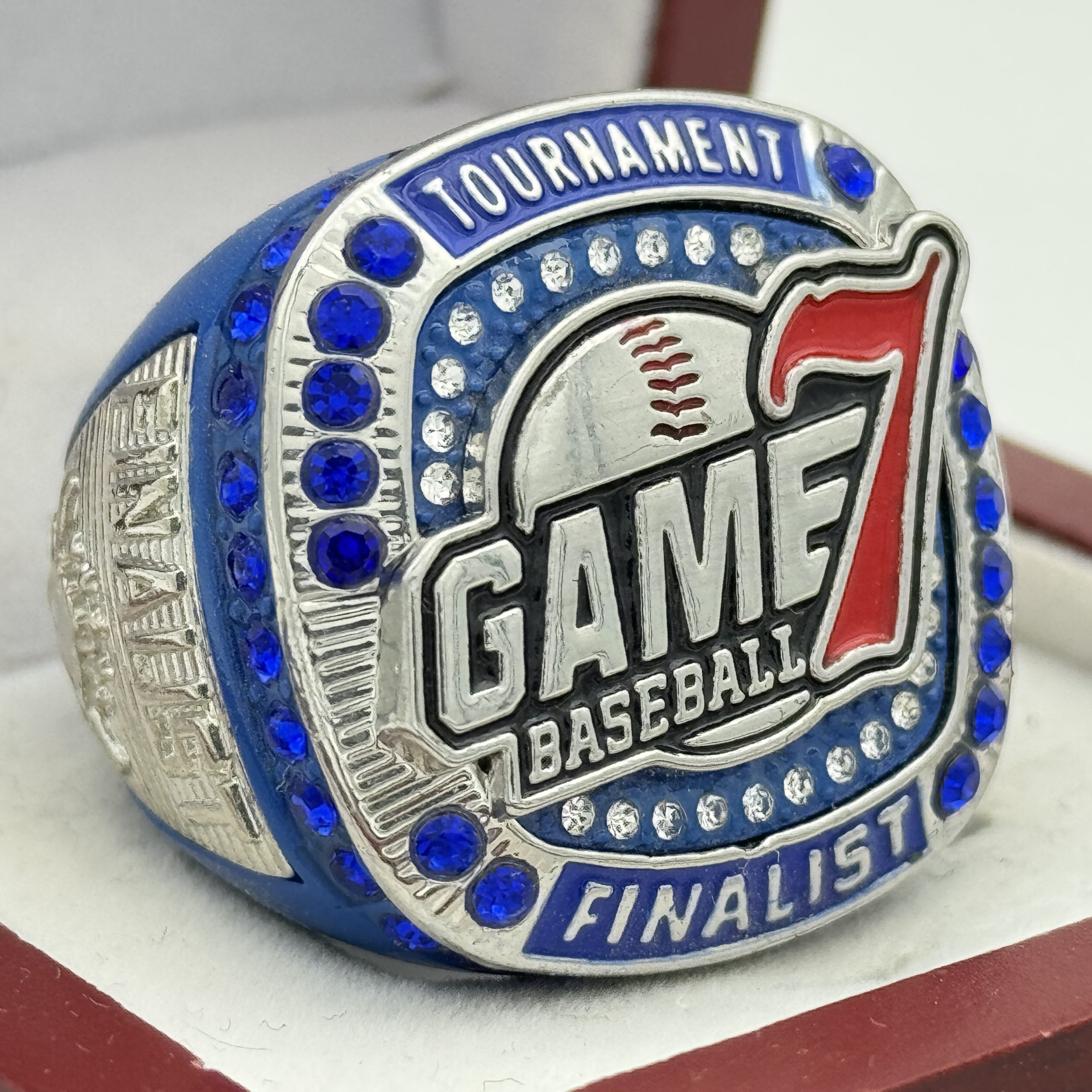
Choosing between medals vs. rings for tournaments can shape how athletes, coaches, families, and fans remember the event long after the final whistle. Both awards celebrate achievement, but they communicate recognition in different ways. Medals are classic, practical, and widely understood across many sports and age groups. Rings feel more prestigious, personal, and championship-focused. The right choice depends on the tournament format, budget, participant age, competitive level, and the kind of memory you want winners to take home.
For tournament organizers, awards are more than a final detail. They help define the experience. A well-chosen award can make a youth athlete feel proud, give a team a lasting symbol of success, and reinforce the professionalism of the event. While medals and rings both have strong advantages, each one makes the most sense in different situations.
Why Tournament Awards Matter
Tournament awards serve several important purposes. They recognize performance, create a sense of closure, and give participants a physical reminder of their accomplishment. Whether the event is a weekend youth baseball tournament, a regional basketball championship, a school competition, or a multi-team travel sports event, the award helps turn the tournament into a lasting memory.
Good tournament awards can:
- Motivate athletes to compete at their best
- Recognize teamwork, discipline, and effort
- Add credibility to the event
- Encourage teams to return in future seasons
- Give families and players a keepsake from the experience
- Make championship moments feel more meaningful
Because awards carry emotional value, the decision between medals and rings should be made thoughtfully. The best choice is not always the most expensive option. It is the award that best matches the significance, size, and tone of the tournament.
When Medals Make Sense
Medals are one of the most familiar and versatile tournament awards. They are commonly used across youth sports, school competitions, recreational leagues, and large participation-based events. Their biggest strength is flexibility. Medals work well for first, second, and third place recognition, as well as participation awards in certain settings.
Medals are especially practical when the tournament includes many teams or a large number of participants. Since they are generally easy to distribute and simple for recipients to wear right away, they are ideal for events where award ceremonies need to be efficient.
Medals make sense when:
- The tournament has multiple placement levels
- Many athletes need to be recognized
- The event includes younger participants
- The budget needs to cover a large group
- The award ceremony must move quickly
- The event has a broad or recreational focus
- You want a traditional award format that everyone understands
For example, a youth soccer tournament with several age divisions may benefit from medals because each finalist or placing team can be recognized clearly. Gold, silver, and bronze medals are easy for athletes and parents to understand. They also allow organizers to celebrate more than just the champion.
Benefits of Medals for Tournaments
Medals remain popular because they are simple, recognizable, and effective. They are easy to present, easy to display, and suitable for nearly every sport.
One major benefit is inclusivity. Medals allow organizers to recognize a larger number of athletes without making the awards process feel complicated. In youth tournaments, this can be especially valuable. Young athletes often respond strongly to visible recognition, and medals create an immediate sense of pride.
Medals are also useful for events with several divisions. If a tournament includes age brackets, skill levels, or separate boys’ and girls’ divisions, medals make it easy to maintain consistency across the entire event.
Additional advantages include:
- Clear ranking through gold, silver, and bronze finishes
- Strong fit for team and individual sports
- Easy presentation during closing ceremonies
- Familiar award format for athletes and spectators
- Practical choice for large-scale tournaments
- Suitable for both competitive and recreational events
Medals are also less formal than rings, which can be a benefit depending on the event. Not every tournament needs a championship-level award. For some events, especially developmental or community-based competitions, medals provide the right balance of recognition and practicality.
When Rings Make Sense
Rings are often associated with championship moments. They carry a sense of prestige and permanence that makes them especially appealing for winners of major tournaments. While medals can recognize a range of finishes, rings are usually best reserved for champions, finalists, or major award recipients.
Tournament rings make sense when the event is designed to feel competitive and memorable. They are particularly effective for sports where championship culture is already strong, such as baseball, softball, football, basketball, and hockey. Players often view rings as a symbol of belonging to a winning team, not just as an individual award.
Rings make sense when:
- The tournament has a clear championship focus
- You want the top award to feel special
- The event includes highly competitive teams
- Winners should receive a long-lasting keepsake
- The award is meant to symbolize team achievement
- The tournament is recurring and builds prestige over time
- The organizer wants to elevate the perceived value of the event
A ring can make a championship feel bigger. For athletes, receiving a ring often feels like joining a tradition. It is not just something to hang on a wall or place in a drawer. It is something they can wear, show, and keep as a reminder of what their team accomplished.
Benefits of Rings for Tournaments
Rings stand out because they feel significant. They are strongly tied to championship culture and are often seen as a higher-level award. For tournaments that want to create a memorable winner experience, rings can be a strong choice.
One of the biggest advantages of rings is their emotional impact. Athletes often remember the exact moment they receive a championship ring. It becomes part of the story of the season, the tournament, and the team’s success.
Rings also help build tournament prestige. When teams know that winners receive rings, the event may feel more competitive and desirable. This can help create excitement before the tournament and improve the overall perception of the event.
Key benefits of rings include:
- Strong championship appeal
- Long-lasting keepsake value
- Excellent fit for team sports
- High perceived value among athletes
- Strong connection to winning and achievement
- Memorable presentation experience
- Ability to make an event feel more prestigious
Rings are often best when used selectively. If every participant receives a ring, the award may lose some of its championship meaning. Rings tend to be most powerful when they are associated with a major win or a top-level accomplishment.
Comparing Medals and Rings by Tournament Type
Different tournaments call for different award strategies. The best choice often depends on the age group, sport, competitive level, and number of participants.
Youth Recreational Tournaments
For youth recreational tournaments, medals are often the better choice. These events usually emphasize participation, development, and positive experiences. Medals are easy for young athletes to understand and enjoy. They can also be used to recognize several levels of achievement, which helps more players feel included.
Rings may still work for championship teams in older youth divisions, but medals are generally more practical for younger age groups and larger recreational events.
Competitive Travel Sports Tournaments
For competitive travel sports, rings can be an excellent choice for champions. These athletes often invest significant time, effort, and travel into competition. A ring can feel like a meaningful reward that matches the intensity of the event.
Medals can still be used for runner-up teams or placement recognition. In some tournaments, organizers may use both awards: rings for champions and medals for finalists or other top finishers.
School and Community Events
School and community tournaments often benefit from medals because they are versatile and familiar. They work well for students, families, and spectators. Medals are also easy to present during assemblies, banquets, or closing ceremonies.
Rings may be appropriate for major school championships or highly competitive varsity-level events, but medals usually make more sense for broad participation and multi-division recognition.
Championship-Only Events
For tournaments where the entire focus is crowning a champion, rings can be the stronger choice. A championship-only event should feel special, and rings help reinforce that feeling. They give winners a symbol that reflects the importance of the victory.
Medals can still support the event by recognizing second place, all-tournament teams, or individual honors. However, if the event’s identity is built around the championship, rings often provide the stronger final impression.
Budget Considerations
Budget is one of the most important factors when choosing between medals and rings. Medals are usually the more practical option for large groups. If a tournament includes hundreds of participants, medals allow organizers to recognize more athletes while keeping award planning manageable.
Rings usually require a larger investment per recipient. Because of that, they are often best used for a smaller group, such as the championship team. This helps maintain both budget control and award prestige.
When planning your award budget, consider:
- Number of teams
- Number of athletes per team
- Number of divisions
- Whether coaches will receive awards
- Whether finalists and champions both receive recognition
- Whether individual awards will be included
- The overall tone and entry fee of the tournament
A good rule of thumb is to match the award to the promise of the event. If the tournament is marketed as a premier championship, rings may better support that positioning. If the tournament is broad, developmental, or participation-focused, medals may be the better fit.
Presentation and Ceremony Experience
The way an award is presented can be just as important as the award itself. Medals are easy to present quickly. Athletes can step forward, receive the medal, and wear it immediately. This makes medals ideal for events with many divisions or tight schedules.
Rings often call for a more formal presentation. Because they feel more significant, they may be best presented with a brief announcement, team photo, or championship ceremony. This can make the final moments of the tournament feel more memorable.
For medals, the ceremony can be simple and efficient:
- Announce the team or athlete
- Present the medal
- Allow a photo opportunity
- Move to the next placement or division
For rings, the ceremony can feel more elevated:
- Announce the championship team
- Recognize the team’s achievement
- Present rings to players and coaches
- Capture team and individual photos
- Close with a strong congratulatory message
Neither approach is automatically better. The right presentation depends on the award and the event atmosphere.
Athlete Age and Expectations
Age matters when choosing tournament awards. Younger athletes often love medals because they can wear them right away and show them to family members. Medals are visible, simple, and exciting for children.
Older athletes may place more value on rings, especially if they have grown up watching championship teams receive them. For middle school, high school, travel, and adult leagues, rings can feel more meaningful because they represent a higher level of achievement.
A basic age-based approach might look like this:
- Ages 5 to 10: Medals are usually the best fit
- Ages 11 to 13: Medals work well, with rings possible for champions
- Ages 14 and up: Rings may be more meaningful for championship teams
- Adult tournaments: Rings can be a strong choice for competitive champions
Of course, sports culture matters too. In some sports, medals are the standard. In others, rings carry more excitement.
Using Both Medals and Rings
Tournament organizers do not always have to choose only one. In many cases, using both medals and rings creates a balanced award structure. Rings can be reserved for champions, while medals can recognize finalists, semifinalists, division winners, or individual accomplishments.
This approach works well because it preserves the prestige of rings while still allowing broader recognition through medals. It can also help organizers build a more complete awards program.
A combined award structure might include:
- Championship rings for first-place teams
- Medals for second-place teams
- Medals for division winners
- Medals for individual skills competitions
- Medals for all-tournament selections
This structure makes the top prize feel special while still ensuring that other achievements are acknowledged.
Which Award Creates the Stronger Memory?
Both medals and rings can create strong memories, but they do so in different ways. Medals often create an immediate emotional response. Athletes wear them after the game, pose for photos, and celebrate with teammates and family. They are visible and exciting in the moment.
Rings tend to create a longer-lasting sense of prestige. They may be worn later, kept in a display case, or shown as a symbol of a major achievement. A championship ring can become part of an athlete’s personal sports history.
The stronger memory depends on the event. For a large youth tournament, medals may create the most joy for the most participants. For a high-level championship, rings may create the most lasting pride for the winners.
Questions to Ask Before Choosing
Before deciding between medals and rings, tournament organizers should ask a few practical questions:
- How competitive is the tournament?
- How many athletes need to receive awards?
- Is the goal broad recognition or champion-level prestige?
- What age group is participating?
- How formal will the awards ceremony be?
- What does the budget allow?
- Will awards be given to finalists, champions, or all participants?
- What type of keepsake will athletes value most?
The answers will usually point clearly toward medals, rings, or a combination of both.
FAQ
Are medals or rings better for youth tournaments?
Medals are often better for younger athletes because they are easy to wear, easy to understand, and practical for larger groups. Rings may be a good choice for older youth championship teams.
Should every player receive the same award?
That depends on the tournament format. Participation-focused events may recognize many players, while competitive events often reserve the top awards for champions and finalists.
Are rings only for championship teams?
Rings are most commonly used for champions because they carry a strong sense of prestige. They can also be used for major finalists or special team achievements, but they are usually most effective when reserved for top honors.
Can medals still feel meaningful?
Yes. Medals are meaningful when they are presented well and tied to a clear achievement. They are especially effective for placement awards, youth events, and multi-division tournaments.
Which award is better for large tournaments?
Medals are usually better for large tournaments because they are practical for recognizing many athletes across several teams, brackets, or divisions.
Which award feels more prestigious?
Rings generally feel more prestigious because they are closely associated with championships and long-term achievement. They are often the better choice when the goal is to make the winning moment feel special.
Can a tournament use medals and rings together?
Yes. Many tournaments benefit from using rings for champions and medals for runners-up, division winners, or individual awards. This creates a balanced recognition program.
How should tournament organizers decide?
Organizers should consider the event’s purpose, participant age, competitive level, number of recipients, and budget. Medals are ideal for broad recognition, while rings are ideal for championship prestige.
Shop Today
The choice between medals and rings comes down to what the tournament is meant to celebrate. Medals are practical, familiar, and excellent for recognizing multiple levels of achievement. They work especially well for youth tournaments, recreational events, school competitions, and large multi-division formats. Rings are more championship-focused and can make a winning moment feel elevated, memorable, and prestigious.
For many tournaments, the best solution is not simply medals or rings, but the right award structure. Medals can honor broad achievement, while rings can highlight the top team or most significant accomplishment. When chosen thoughtfully, both awards can help athletes feel valued and give the tournament a stronger sense of identity.
For tournament organizers looking to create a memorable awards experience, Discount Sports Rings offers a strong destination for sports rings and tournament awards. Shop with us to explore award options that can help make your next tournament feel professional, exciting, and unforgettable.