

- BASEBALL AWARDS
- 2026 AWARDS
- 5 STAR BASEBALL RINGS
- BASEBALL ALL-STAR AWARDS
- BASEBALL BALL RINGS
- BASEBALL BATTER RING
- BASEBALL BELTS
- BASEBALL BRACELETS
- CUSTOMIZABLE BASEBALL AWARDS
- DELUXE BASEBALL RINGS
- DIAMOND SERIES BASEBALL RINGS
- DISTRICT BASEBALL RINGS
- HOME PLATE BASEBALL RINGS
- HOME RUN DERBY RINGS
- BASEBALL TURNOVER CHAINS
- JUMBO BASEBALL RINGS
- BASEBALL LEAGUE RINGS
- BASEBALL MEDALS
- BASEBALL MVP AWARDS
- BASEBALL NECKLACES
- BASEBALL PARTICIPATION AWARDS
- BASEBALL PLACEMENT AWARDS
- PONY BASEBALL AWARDS
- SEASONAL
- BASEBALL SLUGGER RING
- BASEBALL SPINNER RINGS
- BASEBALL STATE RINGS
- SQUARE BASEBALL RINGS
- BASEBALL TEAM AWARDS
- T-BALL
- TEXAS RINGS
- BASEBALL WORLD SERIES RINGS
- BASKETBALL AWARDS
- CHEER AWARDS
- FOOTBALL AWARDS
- 5 STAR FOOTBALL RINGS
- FOOTBALL RINGS
- 2026 AWARDS
- CUSTOMIZABLE FOOTBALL AWARDS
- FANTASY FOOTBALL AWARDS
- FOOTBALL ALL-STAR AWARDS
- FLAG FOOTBALL AWARDS
- FOOTBALL BELTS
- FOOTBALL MEDALS
- FOOTBALL MVP AWARDS
- FOOTBALL NECKLACES
- FOOTBALL PARTICIPATION AWARDS
- FOOTBALL PLACEMENT AWARDS
- SEASONAL
- FOOTBALL TURNOVER CHAINS
- SOCCER AWARDS
- SOFTBALL AWARDS
- 2026 AWARDS
- 5 STAR SOFTBALL RINGS
- SOFTBALL ALL STAR RINGS
- CUSTOMIZABLE SOFTBALL AWARDS
- SOFTBALL RINGS
- SOFTBALL BATTER RINGS
- SOFTBALL BELTS
- SOFTBALL BRACELETS
- BIG BANG SOFTBALL RINGS
- DELUXE SOFTBALL RINGS
- DIAMOND SERIES SOFTBALL RINGS
- DISTRICT SOFTBALL RINGS
- HOME PLATE SOFTBALL AWARDS
- SOFTBALL HOME RUN DERBY
- JUMBO SOFTBALL RINGS
- SOFTBALL LEAGUE RINGS
- MEDALS
- MVP
- NECKLACES
- SOFTBALL PARTICIPATION AWARDS
- SOFTBALL PLACEMENT AWARDS
- PONY SOFTBALL RINGS
- SEASONAL
- SLUGGER RING
- SOFTBALL SPINNER RINGS
- SQUARE SOFTBALL RINGS
- SOFTBALL TEAM AWARDS
- T-BALL
- TEXAS RINGS
- SOFTBALL TURNOVER CHAINS
- FASA SOFTBALL AWARDS
- SOFTBALL WORLD SERIES RINGS
- USA SOFTBALL AWARDS
- USFA
- VOLLEYBALL AWARDS
- OTHER SPORTS
Clean & Care Guide for Rings with Stones: What to Avoid

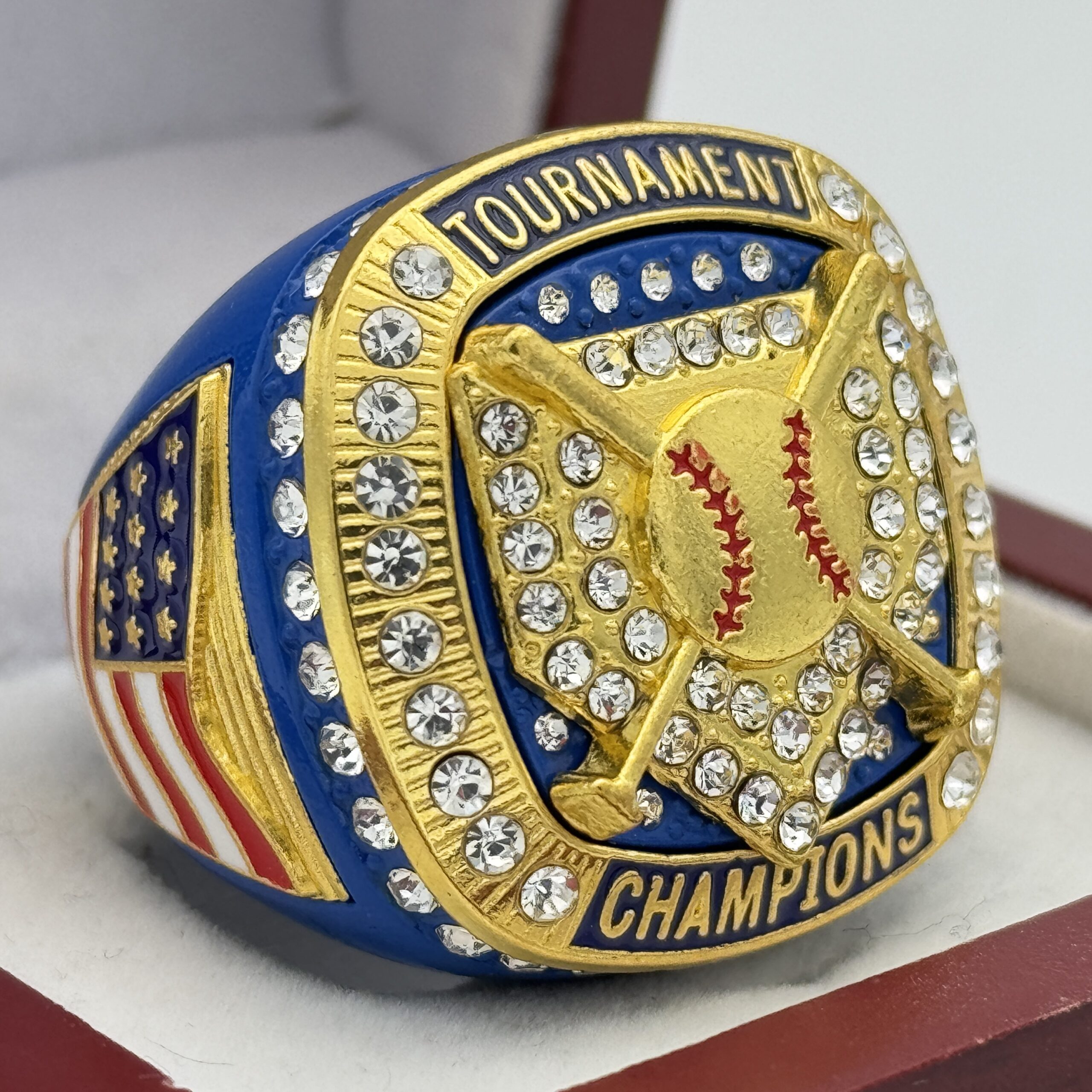
Rings with stones deserve careful attention, especially when they represent athletic achievement, team pride, school spirit, or a once-in-a-lifetime milestone. Whether your ring features clear stones, colored stones, accent stones, or a bold center stone, knowing how to clean championship ring stones properly can help preserve the ring’s shine, detail, and overall appearance. The key is not only learning what to do, but also understanding what to avoid. Many rings become dull, scratched, loosened, or damaged due to harsh cleaning habits, improper storage, or daily wear in environments that are too rough for delicate jewelry.
Why Rings with Stones Need Special Care
Rings with stones are more delicate than plain metal bands because they include multiple surfaces, settings, grooves, and decorative details. Dirt, lotion, sweat, soap residue, and dust can collect around the stones and in the recessed areas of the ring. Over time, this buildup can cause stones to appear cloudy and diminish the overall brilliance of the design.
The stones themselves may also be held in place by prongs, bezels, channels, or other setting styles. These areas can be affected by impact, chemicals, and rough handling. Even if a ring feels sturdy, the details around the stones should still be treated with care.
Proper ring care helps:
- Keep stones bright and clear
- Reduce buildup around settings
- Protect the ring’s finish
- Lower the risk of scratches
- Help prevent loosened stones
- Preserve lettering, symbols, and decorative details
Avoid Harsh Household Cleaners
One of the biggest mistakes people make is using strong household cleaners on rings with stones. Products designed for kitchens, bathrooms, floors, or glass are usually too aggressive for jewelry. These cleaners may contain chemicals that can discolor metal finishes, weaken adhesives, dull stones, or leave residue in tiny crevices.
Avoid using:
- Bleach
- Ammonia-based cleaners
- Bathroom cleaners
- Oven cleaners
- Drain cleaners
- Glass cleaner
- Disinfecting sprays
- Powdered abrasive cleaners
Even if a cleaner seems mild, it may still contain ingredients that are not suitable for jewelry. Rings with stones should be cleaned gently with materials that are safe for both the metal and the stone settings.
Do Not Use Abrasive Scrubbers
Abrasive scrubbing tools can quickly damage the appearance of a ring. Steel wool, rough sponges, scouring pads, hard-bristle brushes, and gritty cleaning cloths can scratch metal surfaces and wear down polished finishes. They can also catch on raised settings or loosen small stones.
Instead of scrubbing aggressively, use a soft-bristle toothbrush or a lint-free cloth. The goal is to lift dirt gently, not scrape the ring clean. If grime is stubborn, soaking the ring briefly in warm water with mild soap is usually safer than applying more pressure.
Avoid:
- Steel wool
- Scouring pads
- Hard-bristle brushes
- Rough towels
- Toothpaste
- Baking soda paste
- Powder cleansers
Toothpaste and baking soda are often recommended online, but they can be too abrasive for detailed rings and stone settings.
Avoid Boiling Water and Extreme Heat
Hot water may seem like a good way to loosen dirt, but extreme heat can be harmful. Boiling water can affect certain stone treatments, finishes, adhesives, and decorative details. Sudden temperature changes may also create stress in some materials.
Warm water is usually enough for routine cleaning. The water should feel comfortable to the touch, not hot enough to steam or burn. If you would not comfortably keep your hand in the water, it is too hot for your ring.
Heat exposure can come from more than cleaning. You should also avoid leaving rings:
- Near a heater
- In direct sunlight for long periods
- On a hot dashboard
- Near a stove
- In a sauna or hot tub area
- Beside styling tools such as curling irons or straighteners
Keeping your ring away from extreme heat helps protect both the stones and the surrounding materials.
Do Not Soak Rings for Too Long
A short soak can help loosen dirt, but long soaking sessions are not recommended. Extended exposure to water can work its way into small spaces around stones, under settings, and into decorative areas. If the ring has any glued or treated components, prolonged soaking may increase the risk of loosening or dulling.
For most routine cleaning, a few minutes in warm water with mild dish soap is enough. After soaking, gently brush around the stones and details, rinse carefully, and dry thoroughly.
Avoid leaving rings in water:
- Overnight
- For several hours
- In a sink without a drain cover
- In cleaning solutions
- In pools, hot tubs, or bathwater
A ring should always be dried completely after cleaning. Moisture left behind can create spots, residue, or buildup in tight areas.
Keep Rings Away from Chlorine
Chlorine is especially harsh on jewelry. Pools, hot tubs, and some cleaning products contain chlorine, which can damage metal finishes and affect the appearance of stones. Repeated exposure can be even more harmful over time.
Before swimming or using a hot tub, remove your ring and store it safely. Even brief contact with chlorinated water can leave residue or contribute to dullness. This is especially important for rings with detailed designs and stone settings.
Chlorine exposure can happen in:
- Swimming pools
- Hot tubs
- Some household cleaners
- Bleach-based products
- Treated water environments
A good rule is simple: if chlorine is present, the ring should not be.
Avoid Wearing Rings During Sports or Heavy Activity
Although championship-style rings are often connected to athletics, they should not be worn during physical activity. Rings with stones can be damaged by impact, pressure, or repeated friction. A hard hit can scratch the metal, chip a stone, bend a setting, or loosen a stone.
Remove your ring before:
- Playing sports
- Weightlifting
- Running drills
- Yard work
- Moving furniture
- Working with tools
- Cleaning around the house
- Any activity involving impact or pressure
Even routine activities can expose the ring to unnecessary risk. If you are using your hands heavily, it is safer to take the ring off first.
Do Not Sleep with Your Ring On
Sleeping with a ring on may seem harmless, but it can create problems over time. Bedding can catch on raised stones or settings, and pressure from sleeping positions can place stress on the ring. If fingers swell overnight, the ring may also become uncomfortable or difficult to remove.
Taking your ring off before bed helps prevent:
- Bent settings
- Snagged prongs
- Loose stones
- Scratches from contact with other jewelry
- Discomfort from swelling
Store the ring in a safe place each night, preferably in a soft pouch, ring box, or lined jewelry case.
Avoid Lotions, Perfumes, and Hair Products
Personal care products are common causes of cloudy stones and dull finishes. Lotions, oils, perfumes, sunscreen, hairspray, and gels can create a film on stones and settle into the details of the ring. This buildup can be difficult to remove if it accumulates over time.
Apply personal care products before putting on your ring. Give lotions and sprays time to dry first. This simple habit can help keep stones looking clearer between cleanings.
Be cautious with:
- Hand lotion
- Sunscreen
- Perfume
- Cologne
- Hairspray
- Hair gel
- Body oils
- Sanitizers
Hand sanitizer deserves special attention. Frequent sanitizer use while wearing a ring can leave residue and may affect some finishes. Remove the ring before applying sanitizer whenever possible.
Do Not Store Rings Loose in a Drawer
Storage matters. Tossing a ring into a drawer, gym bag, backpack, or jewelry tray with other items can lead to scratches and stone damage. Rings can rub against keys, coins, watches, chains, or other rings. Raised stones are especially vulnerable when they come into contact with hard objects.
Store rings separately in:
- A soft ring pouch
- A lined jewelry box
- A dedicated ring slot
- A protective case
- A clean, dry compartment
Avoid storing rings in damp places such as bathrooms. Humidity can contribute to tarnish, residue, or moisture buildup. A cool, dry location is best.
Avoid Ultrasonic Cleaners Unless Approved
Ultrasonic cleaners use vibration to remove dirt, but they are not always safe for rings with stones. The vibration can loosen stones, especially if a setting is already worn or slightly weakened. Some stones and decorative materials may also be sensitive to ultrasonic cleaning.
Unless the ring’s care instructions specifically state that ultrasonic cleaning is safe, avoid using one. A gentle hand-cleaning method is usually the safer choice for routine care.
Do Not Ignore Loose or Cloudy Stones
If a stone looks loose, sits unevenly, rattles, or appears cloudier than usual even after cleaning, do not ignore it. Continued wear can make the problem worse. A loose stone may eventually fall out, and dirt trapped under or around a setting can become harder to remove over time.
Signs your ring needs attention include:
- A stone that moves when touched
- A stone that appears tilted
- A setting that catches on fabric
- Unusual gaps around a stone
- Persistent cloudiness
- Rough or sharp edges
- A change in how the ring feels on your finger
Stop wearing the ring until it can be inspected. This reduces the chance of further damage.
Safe Basic Cleaning Method
For routine cleaning, keep the process gentle and simple. You do not need harsh chemicals or complicated tools to refresh the appearance of a ring with stones.
Use this basic method:
- Fill a small bowl with warm water and a few drops of mild dish soap.
- Let the ring soak briefly for a few minutes.
- Use a soft-bristle toothbrush to gently clean around stones and details.
- Rinse carefully with clean warm water.
- Dry with a soft, lint-free cloth.
- Let the ring air dry fully before storing it.
Always clean over a bowl or with the sink drain covered. This helps prevent accidental loss if the ring slips from your hand.
How Often Should You Clean a Ring with Stones?
Cleaning frequency depends on how often the ring is worn. A ring worn only for special occasions may need light cleaning every few months. A ring worn more often may need gentle cleaning every few weeks, especially if exposed to sweat, lotion, dust, or daily handling.
However, overcleaning can also be a problem if it involves too much brushing, soaking, or handling. The best approach is moderate, careful maintenance. Clean the ring when it looks dull, cloudy, or dirty, and store it properly when not in use.
Everyday Habits That Help Protect Ring Stones
Good care is often about prevention. Small habits can make a big difference in keeping a ring looking sharp and presentable.
Helpful habits include:
- Remove the ring before washing dishes.
- Put the ring on after applying lotion or cologne.
- Take the ring off before workouts.
- Store the ring separately from other jewelry.
- Wipe the ring gently after wearing.
- Keep it away from chemicals and chlorine.
- Avoid touching stones with oily fingers.
- Check settings regularly for movement or snagging.
These simple steps can help reduce buildup, scratches, and accidental damage.
FAQ
Can I clean a ring with stones using dish soap?
Yes. Mild dish soap mixed with warm water is often a safe choice for routine cleaning. Use only a small amount, avoid long soaking, and dry the ring thoroughly afterward.
Is toothpaste safe for cleaning ring stones?
No. Toothpaste can be abrasive and may scratch metal or dull the finish. It can also leave residue around stones and settings.
Can I wear my ring in the pool?
No. Chlorine can damage finishes and may affect the appearance of the ring. Remove your ring before swimming or using a hot tub.
How do I know if a stone is loose?
A stone may be loose if it moves, rattles, looks uneven, or catches on fabric. Stop wearing the ring until it can be inspected.
Can hand sanitizer damage my ring?
Frequent sanitizer use can leave residue and may affect some finishes. It is best to remove your ring before applying sanitizer.
Should I use an ultrasonic cleaner?
Avoid ultrasonic cleaners unless the care instructions specifically say they are safe. Vibration can loosen stones or damage sensitive details.
How should I store my ring?
Store it in a soft pouch, ring box, or lined jewelry case. Keep it separate from keys, coins, watches, and other jewelry to prevent scratches.
How often should I clean my ring?
Clean it when it looks dull, cloudy, or dirty. For rings worn often, gentle cleaning every few weeks may be helpful. For occasional wear, cleaning every few months may be enough.
Shop Today
A ring with stones is more than an accessory. It is a symbol of achievement, pride, and lasting memories. With the right care habits and a clear understanding of what to avoid, you can help keep your ring looking polished, bright, and ready to wear for years to come. For high-quality championship-style rings and helpful product options, shop with us and explore rings designed to celebrate the moments that matter most.